
A practical Palawan itinerary needs more breathing room than the map suggests. El Nido and Coron are separated by open water, transfers can consume most of a day, and island trips depend on sea conditions. For most visitors, nine days is the sweet spot: enough time for two distinct boat days, a beach or diving day, and a buffer before the flight home. This guide builds that route without relying on ferry timetables, tour labels, or prices that may change. It also shows how to trim the plan to seven days or extend it to ten.
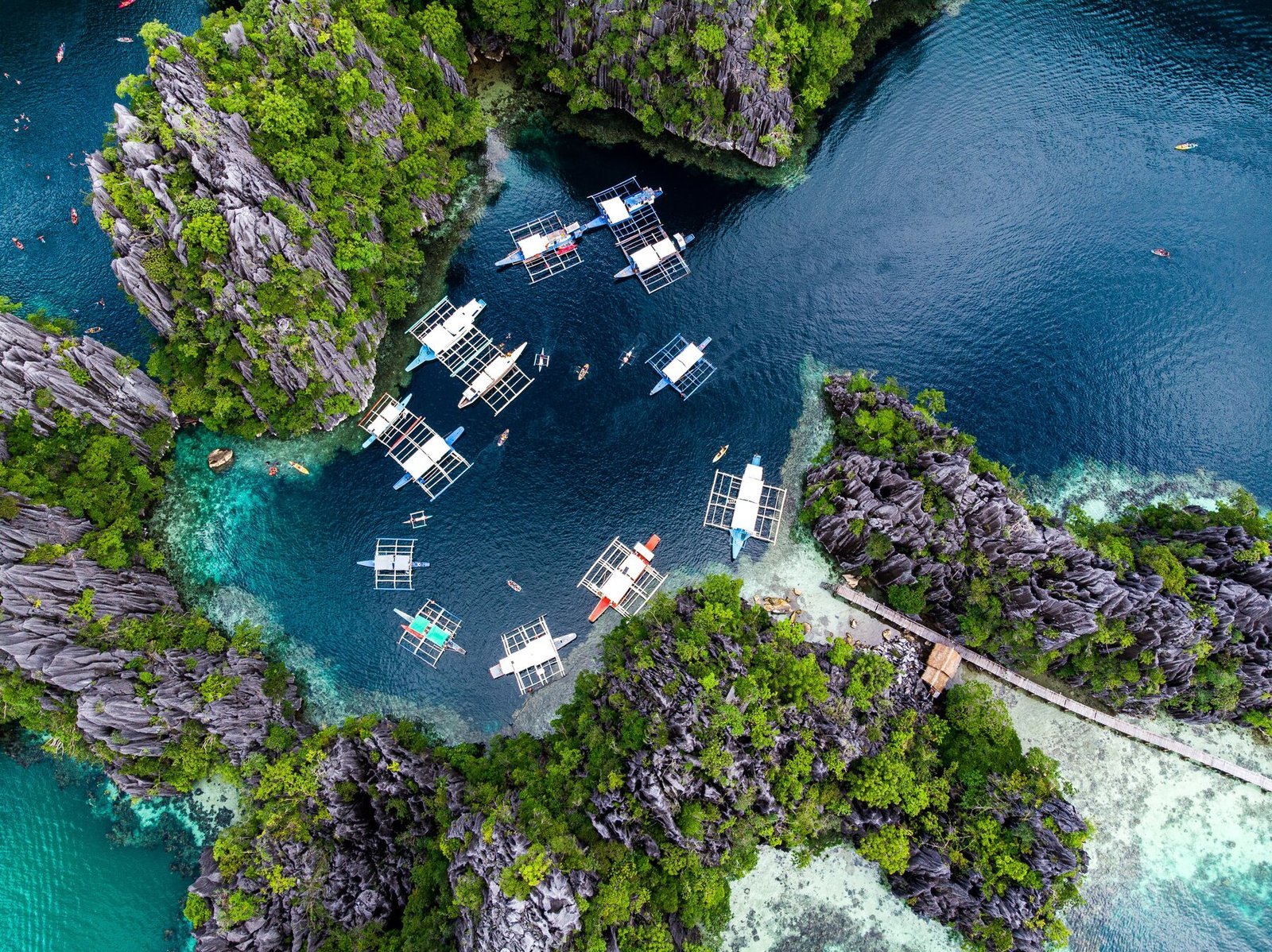
Palawan itinerary: a realistic 9-day El Nido and Coron route
The route works in either direction. Fly into El Nido and out of Busuanga Airport, the gateway for Coron town, if convenient connections justify the higher domestic airfare. A common alternative is to enter through Puerto Princesa, then travel overland to El Nido; allow roughly half a day and avoid pairing that road journey with a fixed boat departure. Another option is to fly between Manila or Cebu and each destination, using separate tickets only with a generous connection buffer.
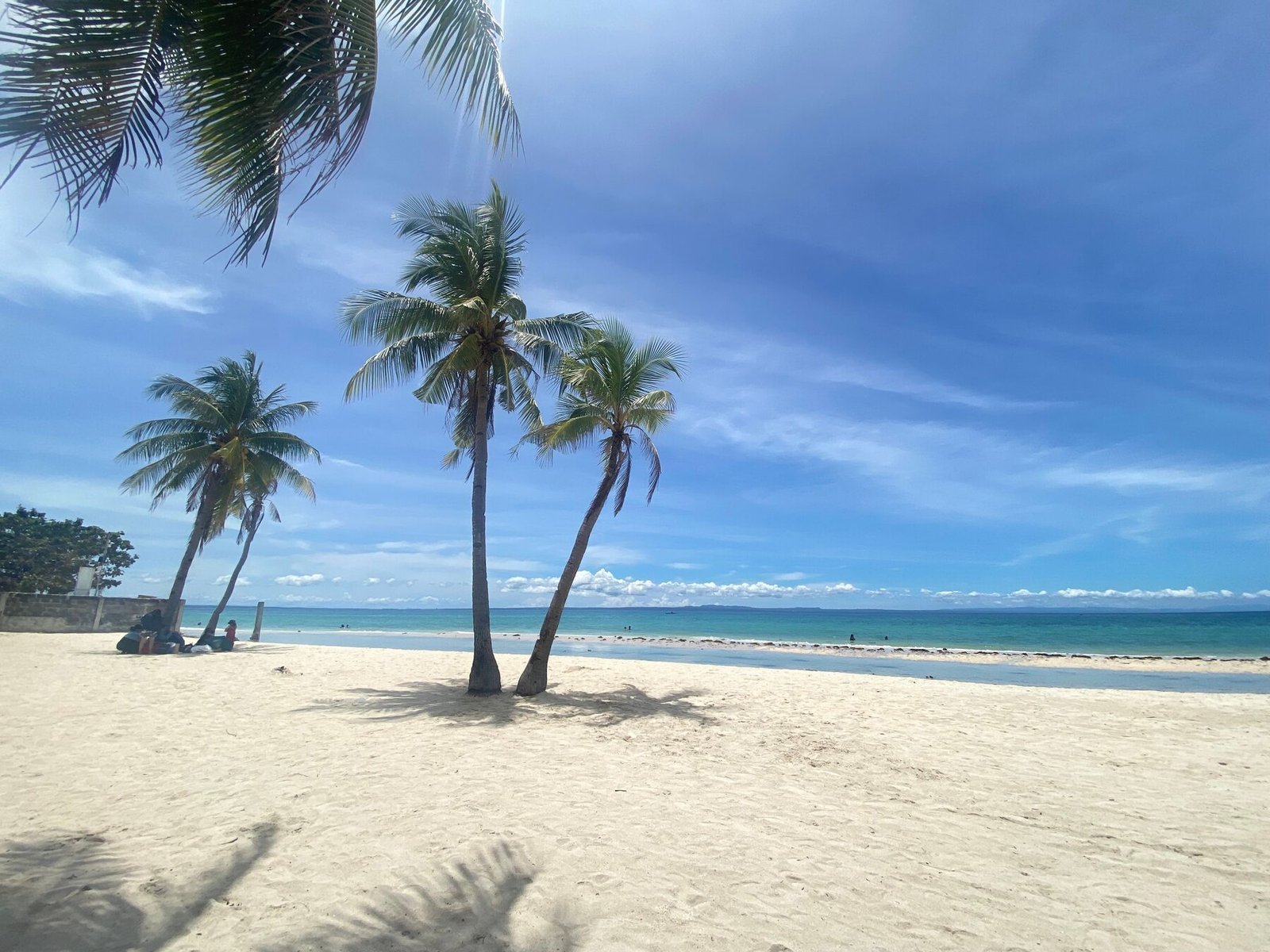
El Nido rewards travelers interested in limestone lagoons, beaches, kayaking, and a busier evening scene. Coron is better known for wreck diving, clear lakes, reefs, and a compact town used as a touring base. Neither town center is the beach experience shown in tourism photographs: the most striking places generally require a boat ride.
Day 1: arrive and settle in El Nido
Keep arrival day light. Check in, withdraw cash, confirm the next day’s pickup point, and walk to a nearby sunset viewpoint or beach. Travelers arriving overland from Puerto Princesa may be tired after the winding journey. Use the evening to check the marine forecast and discuss priorities with a licensed operator.
Day 2: lagoons and kayaking
Choose an island-hopping route centered on limestone scenery, sheltered water, and time in a kayak. Tour offerings are commonly grouped into standard routes, but names, access rules, and included stops can change. Compare the actual stop list, group size, lunch, kayak arrangement, environmental fees, and time allotted at each location. Shared boats cost less and are sociable; private boats allow an earlier start and more control, though local regulations may still dictate timing and permitted sites.
Day 3: beaches, reefs, or a slower mainland day
Make the second El Nido day complementary. Select a boat route emphasizing open beaches and snorkeling if conditions are calm, or stay on land if yesterday provided enough boat time. Mainland possibilities include Nacpan Beach, a quieter resort day around Lio, or a guided inland excursion. Travel times on local roads can be longer after rain, so do not stack distant stops.
Ask about current visibility and reef conditions rather than assuming a famous beach has the best marine life. Divers can substitute an outing with a reputable shop after checking certification requirements, equipment, group size, and no-fly guidance.
Day 4: flexible El Nido day
This is the first weather buffer. Reschedule a cancelled boat trip or spend the day swimming, visiting a nearby beach, or resting. The free day is particularly valuable in wetter and windier months, when coast guard restrictions can halt departures.
Confirm the Coron transfer directly with the ferry company or an authorized seller. Timetables, vessels, baggage rules, and departure points can change. Keep the afternoon and evening free after the expected arrival; a ferry crossing is transportation, not a half-day sightseeing opportunity.
Day 5: transfer from El Nido to Coron
Take the direct ferry when it is operating and conditions permit. Book ahead in busy periods, arrive early for check-in, and protect medication, documents, and electronics from spray. Travelers prone to seasickness should seek medical advice on prevention before departure.
If rough weather cancels the sailing, the fallback may be a later flight or a reroute through a major hub. Do not plan an international flight immediately after this crossing. On arrival, check in and have an easy dinner.
Day 6: lakes, viewpoints, and reefs around Coron
Use the first full day for Coron’s signature limestone landscape. Choose a licensed excursion combining a lake, a viewpoint, and snorkeling rather than pursuing the greatest number of stops. Some sites involve steep, uneven steps and hot exposed sections; water shoes do not replace stable walking footwear. Life jackets may be required, and rules around drones, swimming areas, and ancestral-domain sites deserve full respect.
Again, private and shared trips serve different needs. A private boat can better suit families, photographers, or travelers who need a gentler pace, but food, entrance charges, and gear may be separate. A shared trip simplifies logistics and usually costs less, though waiting for a larger group reduces flexibility.
Day 7: wreck diving, snorkeling, or beach time
Certified divers can dedicate this day to Coron’s historic wrecks with a properly accredited dive center. Depth, overhead environments, current, visibility, and required experience vary substantially; select sites according to qualification and recent diving history, not reputation alone. Non-divers can choose a reef-and-beach boat day, a beginner program with appropriate instruction, or a relaxed resort excursion.
Anyone flying soon must follow the dive operator’s guidance on minimum no-fly intervals. Build at least the recommended interval—and extra margin where sensible—between the final dive and departure. Freediving also requires trained supervision and a buddy system; never practice breath-hold diving alone.
Day 8: buffer day in Coron
Keep a second flexible day for weather or recovery. Visit a nearby beach, take a short nature outing, or rest. This buffer prevents one cancelled boat from defining the trip and gives divers a useful surface interval.
Day 9: depart via Busuanga Airport
Road transfers to Busuanga Airport take time, and shared vans collect multiple passengers. Arrange transport the previous day. Avoid tight self-transfers in Manila or Cebu, especially on separate domestic and international tickets.
Where to stay
In El Nido, the town center is convenient for restaurants, tour desks, and boat assembly points, but it can be noisy. Corong Corong suits sunset views and a slightly calmer atmosphere while remaining close to town. Lio offers a more polished, spacious setting near the airport, often at a higher cost. Travelers choosing Nacpan gain beach access but accept longer transfers and fewer evening choices.
In Coron, the town center provides the easiest access to food, shops, and shared tour pickups. Hillside properties trade flatter walking routes for views, while accommodations outside town can feel more secluded but require planned transport. Check whether a property is on Busuanga Island or another island; a boat-only resort changes arrival logistics and may limit independent dining.
Booking, cash, and connectivity
Reserve flights, the inter-island transfer, and high-demand accommodation first. Book reputable diving in advance, particularly if equipment sizes or specialist instruction matter. Leave ordinary island tours flexible enough to respond to weather. Before paying, request a written explanation of inclusions, cancellation terms, permits, meals, gear, and pickup.
Carry enough Philippine pesos for small operators, transport, tips, and backup expenses. ATMs exist but can be offline, empty, or subject to limits; cards are not universal. Split cash between secure locations. Mobile data and hotel Wi-Fi are adequate in many town areas yet inconsistent offshore and during power interruptions. Download maps, tickets, insurance details, and accommodation contacts for offline access.
Weather and responsible marine travel
Palawan conditions vary by season and by coast, and climate patterns are not completely predictable. Strong wind and swell matter more to boat operations than a simple rain icon. Check official weather advisories, coast guard guidance, airline notices, and the operator’s current update. Comprehensive travel insurance should cover delays, cancellations, medical care, and activities actually planned.
Use refill stations when available, refuse unnecessary single-use plastic, and never touch coral or feed wildlife. Keep fins above the reef, maintain distance from animals, and use mooring buoys rather than anchors where provided. Choose operators that manage waste, carry safety equipment, employ local staff fairly, and explain site rules. Sunscreen should be applied well before swimming and paired with protective clothing; “reef-safe” labels alone are not a license to overapply it in the water.
Seven-day and ten-day alternatives
For seven days, fly into one destination and out of the other, spend three nights in El Nido and three in Coron, and retain the transfer day. Limit each base to one principal boat excursion, using the remaining full day for a second activity or weather recovery. Do not cut the transfer buffer to squeeze in another tour.
With ten days, add the extra night where interests are strongest. Divers may prefer Coron; beach-focused travelers may favor El Nido. Another sensible use is a mainland recovery day after Puerto Princesa or a final night near the international departure airport. Adding a third Palawan region usually creates more transit than value unless the trip is longer still.
Frequently asked questions
Is El Nido or Coron better first? Either order works. Base the decision on the safest, simplest flight connections and the current ferry operation, then protect the final departure with a buffer.
How many nights are enough? Four nights in El Nido and four in Coron, plus the transfer day within a nine-day trip, offers a balanced pace. Seven days is workable but more vulnerable to weather.
Can the ferry and a flight be booked on the same day? It is a poor risk for a separate, important flight. Sea conditions and operational changes can cause late arrival or cancellation. Check official current schedules and build substantial margin.
Do both destinations require island hopping? No, but boat access defines much of their appeal. One well-chosen trip in each place is more rewarding than several rushed excursions.
Conclusion
The strongest Palawan itinerary treats transfer time and weather buffers as part of the holiday rather than wasted space. Nine days supports contrasting experiences in El Nido and Coron without making every morning an early departure. Confirm flights, ferries, access rules, and safety advice with official sources shortly before travel, then let current conditions—not an inflexible checklist—shape the details.
Official checks and editorial note
Last fact-check: 3 August 2026. This is a research-led planning guide, not a fabricated first-hand travel diary. Flight and ferry schedules, environmental fees, entry rules and weather conditions can change.
Related Travel Guides
Keep planning with these guides: 2-Week Philippines Itinerary, Bohol Itinerary for 4 Days, Best Time to Visit the Philippines.


[…] planning with these guides: Palawan Itinerary, Bohol Itinerary for 4 Days, Siargao Travel […]
[…] planning with these guides: 2-Week Philippines Itinerary, Palawan Itinerary, Best Time to Visit the […]