
Planning a Philippines itinerary for 2 weeks is an exercise in restraint. The country has thousands of islands, but every extra stop adds a flight, ferry, or weather-dependent transfer. For a first visit, a sensible route links three contrasting bases: Manila for history and food, Cebu with nearby Bohol for waterfalls and reefs, and Palawan for limestone scenery. The 14-day plan below includes recovery time after arrival, realistic transfer days, and a final-night buffer before an international flight. It delivers variety without turning the holiday into a sequence of terminals and hotel check-ins.

Philippines Itinerary 2 Weeks: Route at a Glance
This route follows Manila → Cebu → Bohol → El Nido → Manila, using flights for long gaps and a ferry for the Cebu–Bohol crossing. El Nido provides access to Bacuit Bay and beaches. Coron can replace it, but visiting both would add another weather-sensitive transfer.
- Days 1–2: Manila
- Days 3–5: Cebu
- Days 6–7: Bohol
- Days 8–12: El Nido, Palawan
- Days 13–14: Manila and departure
Day-by-Day 14-Day Philippines Route
Day 1: Arrive in Manila
Keep the first day light. Immigration, baggage, traffic, and jet lag take time. Stay in Makati or Bonifacio Global City for convenient dining. Walk locally and try a Filipino dinner rather than crossing the city for sightseeing. Use a hotel transfer, authorized taxi, or established ride-hailing service.
Day 2: Old Manila and a Modern Neighbourhood
Spend the morning in Intramuros, where Fort Santiago, San Agustin Church, and the walls frame the country’s colonial history. Continue to the National Museum complex if opening days permit. Later, choose Binondo for food or Makati for galleries. Group nearby sights because Manila traffic punishes scattered plans.
Day 3: Fly to Cebu
Book a late-morning or early-afternoon flight so a delay does not spoil a prepaid tour. In Cebu City, visit Magellan’s Cross or the Basilica Minore del Santo Niño. Beach-focused travellers can stay on Mactan; Cebu City is practical for heritage sites and onward transport.
Day 4: Cebu City or Mactan
Choose one coherent day. In the city, visit the heritage district and a museum, then sample lechon and puso. From Mactan, take a reputable small-group snorkelling trip subject to sea conditions. Verify safety equipment, fees, inclusions, and cancellation terms.
Day 5: South Cebu
For waterfalls, leave early with a licensed driver and select one area. Canyoning requires a qualified operator, proper footwear, and physical confidence; a gentle waterfall visit suits many travellers better. Whale-shark encounters are excluded because feeding and crowding raise welfare concerns. Return to Cebu City unless an onward southern transfer is confirmed.
Day 6: Ferry to Bohol
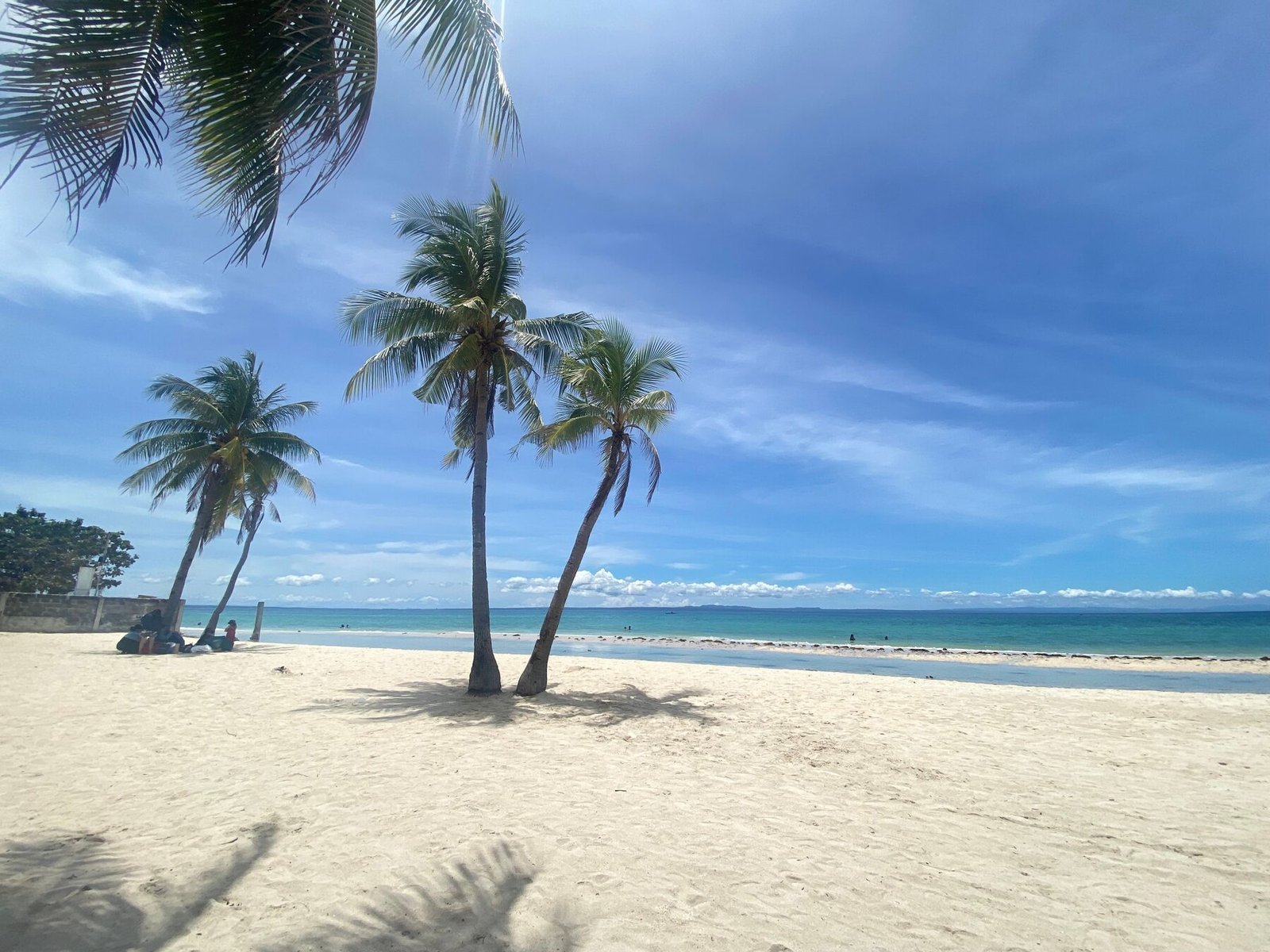
Take a morning ferry from Cebu to Tagbilaran, allowing ample check-in time. Confirm the sailing with the operator because weather and operations cause changes. Base yourself on Panglao for beaches or near Loboc for a quieter setting. After arrival, keep plans flexible.
Day 7: Bohol Countryside
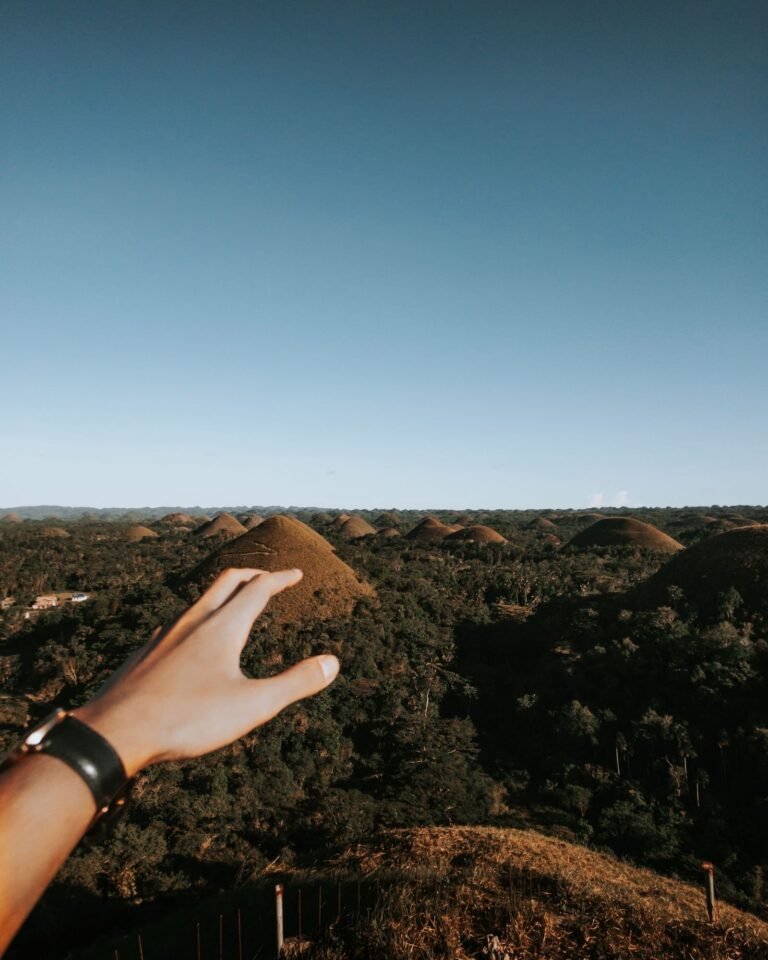
Make an early circuit of the Chocolate Hills and Philippine Tarsier Sanctuary at Corella, checking current arrangements. Tarsiers are sensitive to noise, flash, and handling, so follow staff instructions. Add a forest walk, local lunch, or responsibly managed river activity. Island driving distances are easy to underestimate.
Day 8: Travel to El Nido
This is a transfer day. Compare any direct flight from Bohol or Cebu with a Manila connection. El Nido’s airport is closest to town; Puerto Princesa requires a long onward drive. Do not book a non-refundable arrival-day tour. Check in, obtain cash if needed, and confirm later activities.
Day 9: Bacuit Bay
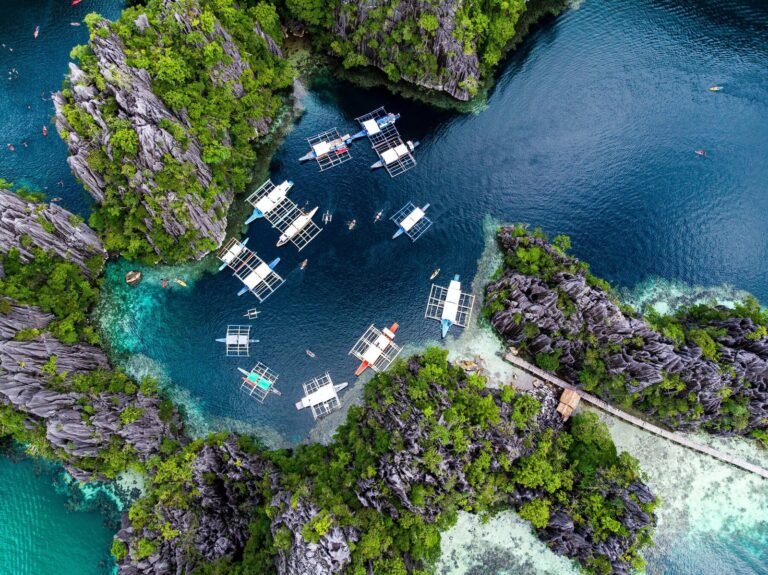
Join a licensed Bacuit Bay boat trip, selecting the route according to current access rules and conditions. Lagoons, limestone formations, snorkelling sites, and beaches are commonly combined. Ask whether permits, water, lunch, masks, and fitted life jackets are included. Private trips offer pacing control; shared boats cost less.
Day 10: A Second Sea Day
Use the better of Days 9 and 10 for the priority boat route if one morning is windy or wet. A second trip can focus on beaches or snorkelling. If seas are unsuitable, choose Nacpan Beach, a cooking class, or rest. Never pressure a captain to ignore official guidance.
Day 11: El Nido on Land
Schedule an unhurried land day. Visit Nacpan with verified transport, explore town, or kayak where conditions and rules allow. Sunset viewpoints can be steep and slippery; use proper shoes and return before darkness. This flexible day can absorb a postponed excursion.
Day 12: Free Day in Palawan
Repeat a favourite setting, dive with a credentialed centre, or rest. Divers should discuss certification, experience, equipment, and no-fly intervals before confirming. This spare capacity allows recovery from earlier delays without sacrificing the return-flight buffer.
Day 13: Fly to Manila
Return to Manila and sleep there before the international departure. Separate tickets may not protect a missed connection, and storms can cause knock-on delays. Stay within practical airport reach. Confirm the terminal and latest baggage and check-in requirements.
Day 14: Departure
Allow substantial airport travel time because traffic varies sharply. Treat any spare sightseeing time as a bonus. Check official airport and airline information that day, particularly after severe weather or a schedule notification.
Alternative Routes by Interest
For diving and reefs: replace Bohol and El Nido with a longer stay in Coron, reached by air via Manila or another currently operating connection. This reduces hotel changes and gives divers more flexibility, but advanced sites require suitable certification and experience.
For beaches and a slower pace: keep Manila brief, choose either Bohol or Cebu, and spend six or seven nights in one Palawan base. For culture and food: retain two Manila nights, add another Cebu City day, and consider Iloilo instead of Palawan if flight connections work. Each alternative should preserve the final Manila buffer and avoid same-day self-connections to an international flight.
Booking Flights, Ferries, and Local Transport
Start with the international flight, then secure the least frequent domestic sector. Book through airlines and ferry companies directly where practical, and recheck terminals because Manila and Cebu use multiple facilities. Leave several hours between separately ticketed flights; an overnight is safer before the flight home. Ferry passengers should verify check-in cut-offs, baggage procedures, port fees, and weather notices on official channels.
For road journeys, ask accommodation staff to recommend registered providers, agree on the fare and inclusions, and wear seat belts where fitted. Motorbikes are suitable only for licensed, insured, experienced riders with helmets. Travel insurance should cover intended activities, medical treatment, disruption, and evacuation.
Weather and Disruption Planning
Conditions differ by island and month, and tropical systems can affect flights and boats beyond the storm’s immediate path. Build movable beach days, avoid tight connections, and retain funds for an extra night. Follow the Philippine weather agency, coast guard, airport, airline, and ferry operator for current notices. During rough weather, accept cancellations and use a land-based alternative. The itinerary is a framework, not a reason to override local safety decisions.
Budget, Money, and Luggage
Budget by travel style rather than relying on a fixed daily figure. The largest variables are domestic flights, private versus shared tours, beachfront rooms, diving, and last-minute changes. Price the core route before departure, then add meals, transfers, permits, tips, laundry, insurance, and a disruption reserve. Carry some Philippine pesos because cards and cash machines may be unreliable outside major centres; split cash between secure places.
Pack light for small aircraft, boats, steps, and sandy landings. A soft-sided bag, dry bag, reusable water bottle, reef-conscious sun protection, light rain layer, breathable clothing, modest outfit for churches, and secure walking sandals cover most situations. Confirm baggage allowances for every sector, since domestic limits may differ from the international ticket.
Responsible Travel Essentials
Choose operators that brief guests, provide safety equipment, limit wildlife disturbance, and remove waste. Do not touch coral or marine animals, stand on reefs, feed wildlife, fly drones without permission, or take shells. Refill water where safe, decline unnecessary single-use plastic, and use reef-conscious shade measures. Dress respectfully at religious sites, ask before photographing people, and support locally owned guides, eateries, and accommodation where service and labour standards are sound.
Frequently Asked Questions
Is two weeks enough for the Philippines?
Yes, if the trip is limited to two or three regions. Fourteen days can combine city history, reefs, countryside, and beaches, but not every famous island. Fewer bases generally produce a better holiday.
Should first-time visitors choose El Nido or Coron?
El Nido suits travellers seeking limestone lagoons, beaches, and varied boat trips. Coron is especially appealing for wreck diving and lake scenery. Choose one according to interests and the most reliable connections for the travel dates.
Can Cebu and Palawan be combined without Manila?
Sometimes, but direct routes change. Search the actual dates on official airline sites and compare the full journey, including airport transfers and baggage rules. A Manila connection may be more dependable even when it looks longer.
When should domestic transport be booked?
Reserve important flights and limited sailings once the route is firm, especially around holidays. Keep flexible terms where possible and reconfirm close to departure. Avoid building the plan around an old timetable or quoted fare.
Conclusion
A strong first Philippines trip balances ambition with recovery time. Manila, Cebu, Bohol, and El Nido provide distinct experiences while the dedicated transfer days and final-night buffer protect the journey from common disruptions. Book the structural legs first, keep Palawan activities movable, and check current official guidance before each flight or sailing. If the route still feels busy, remove one base; an extra day on one island is usually more rewarding than another rushed connection.
Official checks and editorial note
Last fact-check: 3 August 2026. This is a research-led planning guide, not a fabricated first-hand travel diary. Flight and ferry schedules, environmental fees, entry rules and weather conditions can change.
Related Travel Guides
Keep planning with these guides: Palawan Itinerary, Bohol Itinerary for 4 Days, Siargao Travel Guide.
[…] planning with these guides: 2-Week Philippines Itinerary, Siargao Travel Guide, Palawan […]
[…] planning with these guides: 2-Week Philippines Itinerary, Bohol Itinerary for 4 Days, Best Time to Visit the […]