This Bohol itinerary 4 days plan balances the province’s famous landscapes with enough breathing room for beaches, wildlife, and local culture. It starts on Panglao, devotes a full day to Bohol’s countryside, keeps a marine day flexible, and leaves the final day open for a slower finish or departure. It also builds in practical safeguards: respectful tarsier viewing, weather-dependent boat plans, and realistic travel time between Panglao and central Bohol. Use the schedule as a framework, then adjust it around flight times, sea conditions, and personal energy.
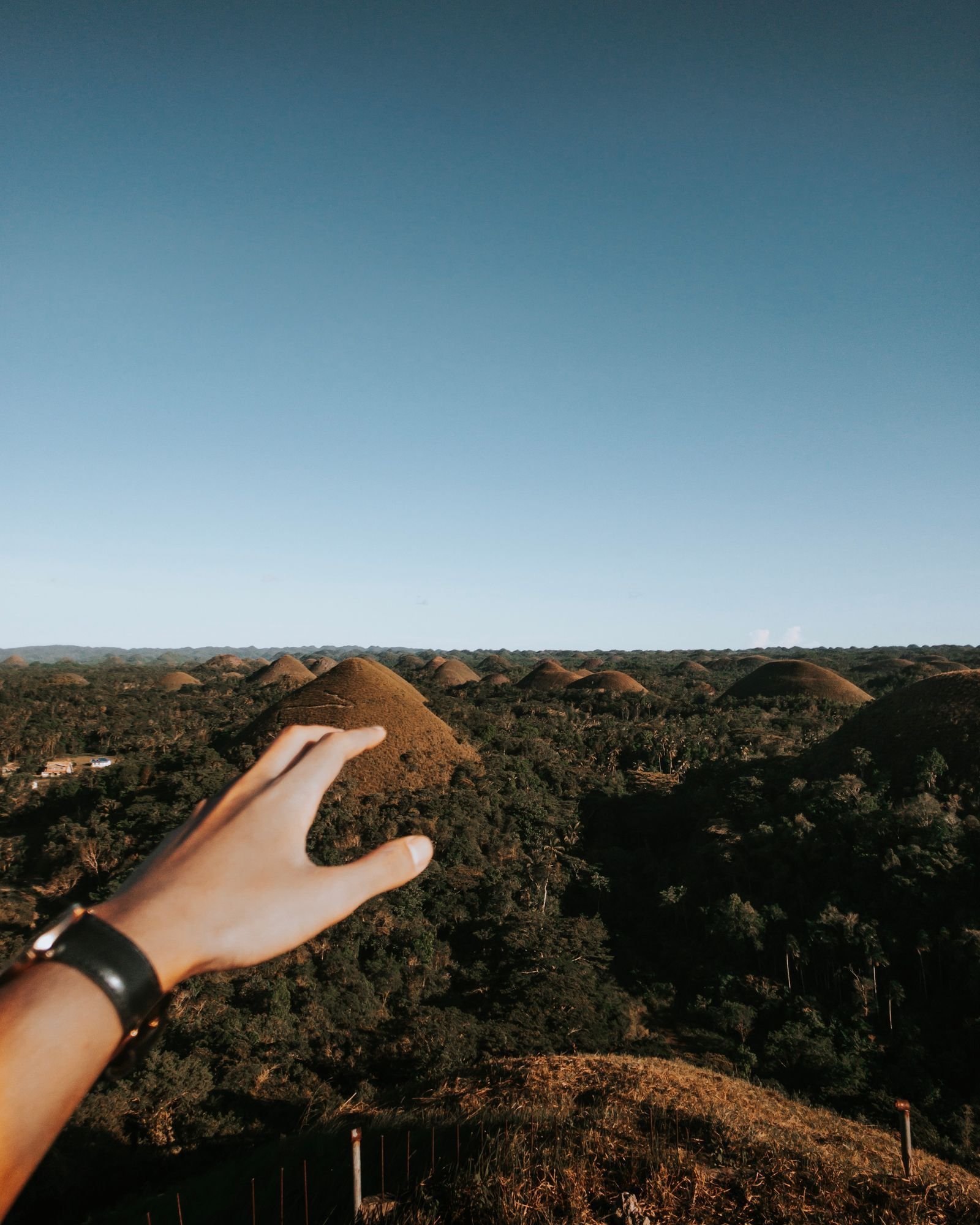
Bohol is part of the Philippines’ Central Visayas and is recognized as a UNESCO Global Geopark. Its geological story includes cone-shaped hills, limestone caves, coastal ecosystems, and uplifted marine terraces. That status is a useful reminder that the island is more than a checklist of viewpoints. Travel gently, follow local restrictions, and choose guides and operators who treat natural sites as protected places rather than props.
Bohol itinerary 4 days at a glance
- Day 1: Arrive, settle into Panglao, and choose a relaxed beach or heritage afternoon.
- Day 2: Tour the Chocolate Hills, an ethical tarsier sanctuary, the Loboc area, and selected countryside stops.
- Day 3: Take a weather-dependent Balicasag marine trip with a verified operator, or use the rainy-day alternative.
- Day 4: Combine beach time, culture, or a final meal before leaving for the airport or ferry terminal.
Day 1: arrival, Panglao, and an easy first afternoon
Bohol–Panglao International Airport makes Panglao the simplest first base. After checking in, avoid scheduling a tightly timed tour. Delayed flights, baggage collection, and island traffic can quickly erode an ambitious arrival day. Instead, have lunch, rest, and walk a nearby beach. Alona Beach offers the widest selection of restaurants, tour desks, and transport, while quieter areas such as Danao, Doljo, and the southern coast suit travelers who value calmer evenings.
If arrival is early, visit Dauis Church and the nearby plaza, or continue to Tagbilaran for the National Museum of the Philippines–Bohol, subject to opening days and hours. These stops provide historical context before the countryside tour. Travelers arriving late can simply watch the sunset and confirm the next morning’s pickup. Ask the driver to state what is included, how long the day will run, and whether entrance and parking fees are separate.
Day 2: Chocolate Hills, tarsiers, and Loboc
Leave Panglao early because the drive into Bohol’s interior takes time. A private car with driver is the most efficient option for two or more people; a shared countryside tour lowers costs but follows a fixed sequence. Independent travelers can rent a scooter only if they are experienced, licensed, insured, and comfortable with changing road conditions. Helmets are essential, and night riding is best avoided.
Make the Chocolate Hills viewpoint the first major stop. Morning usually brings cooler temperatures and can offer clearer views. The stairway to the main observation deck is steep and exposed, so carry water and sun protection. Visitors who cannot manage many steps should ask about the best accessible viewing points before departure; the classic summit experience may not suit every mobility level.
Next, visit a reputable conservation facility such as the Philippine Tarsier Sanctuary in Corella, confirming current access before setting out. Tarsiers are nocturnal, sensitive wild animals. Stay quiet, keep a respectful distance, follow the keeper’s instructions, and never touch a tarsier. Disable flash and avoid crowding for photographs. Skip any venue that encourages handling, staged contact, or noise around the animals.
Continue toward Loboc for lunch. The well-known river cruises combine a buffet with river scenery, but they can feel busy and may not fit every budget. A riverside restaurant or locally guided activity can be a quieter alternative. If taking a cruise, check the departure schedule and arrive with time to spare. Add only one or two optional stops—perhaps the Bilar man-made forest, Baclayon Church, or a small community-run workshop—so the day does not become a rushed chain of photo breaks.
Return to Panglao before dark when possible. The full circuit can be tiring, particularly for children, older relatives, and anyone prone to motion sickness. Families may prefer a shorter route with the hills, sanctuary, and lunch only. Bring snacks, water, a light layer for air-conditioned vehicles, and a compact rain jacket.
Day 3: Balicasag marine day, with conditions attached
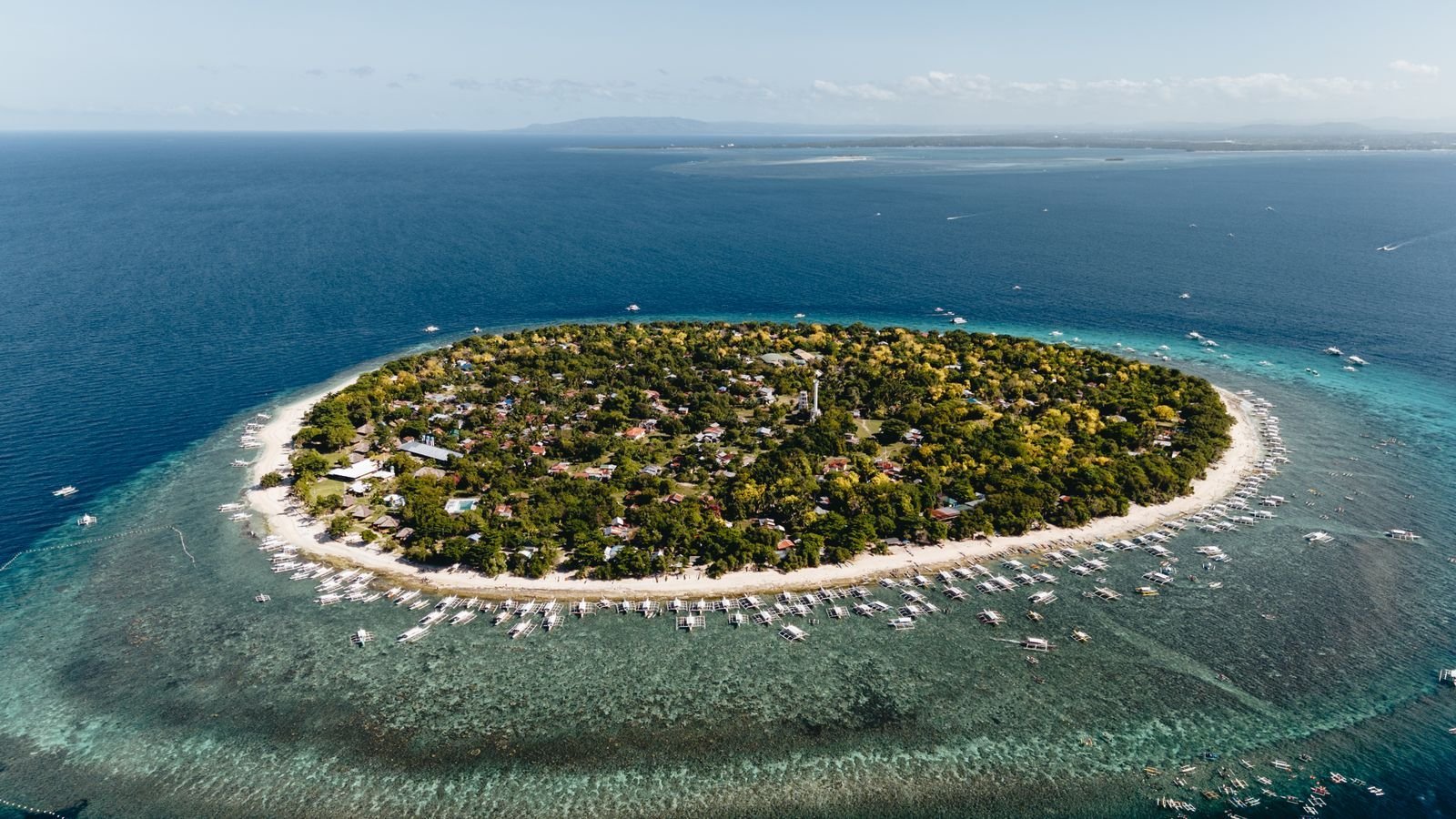
Balicasag Island is known for coral, turtles, and reef fish, but a visit should never be treated as guaranteed. Boat departures depend on wind, waves, visibility, local capacity controls, and current marine regulations. Rules and permit systems can change. Before paying, verify the latest requirements with the tourism office or another official local source, then confirm that the operator is accredited, insured, and authorized for the planned activity.
Ask precisely what the booking includes: transfers, permits, environmental fees, masks and fins, a trained guide, life jackets, drinking water, and any smaller boat used near the reef. Confirm the cancellation or rescheduling policy for unsafe weather. Do not choose a captain who promises to ignore closures or capacity limits. Follow designated entry points and guide instructions, keep fins away from coral, never stand on the reef, and maintain space around turtles and other wildlife. Do not chase, feed, hold, or block marine animals.
Trips commonly leave early, and some packages add dolphin watching or another sandbar. Treat wildlife sightings as a possibility, not an entitlement, and reject close pursuit. Extra stops can make the day feel crowded, so prioritize a well-managed snorkeling session over the longest possible itinerary. Use reef-conscious sun protection, ideally clothing such as a rash guard, and take all litter back to shore.
Non-swimmers should disclose their comfort level before booking and wear a properly fitted life jacket. Families should ask whether child-size safety gear is available. Boat boarding often involves narrow outriggers, wet surfaces, and wading; travelers with limited mobility need to discuss assistance and transfer conditions directly with the operator. If accessibility needs cannot be met safely, choose a shore-based day instead.
Rainy-day alternative
If the sea is rough or authorities suspend trips, do not force a replacement boat booking. Shift to a flexible land day: tour Dauis and Tagbilaran museums or churches when open, book a cooking or craft activity, enjoy a long lunch, or choose a sheltered spa and café afternoon. Short beach walks can fit between showers, but avoid swimming during lightning, strong currents, or posted warnings. The final day can absorb missed beach time if conditions improve.
Day 4: beach, culture, and departure
Keep the last day deliberately light. With an evening flight, spend the morning at a beach close to the hotel, visit a cultural stop missed on Day 1, or arrange a gentle inland activity. A resort day pass may be worthwhile for travelers wanting showers and luggage storage, but confirm access in advance. Those with an early departure should have breakfast near the accommodation and leave generous time for the airport.
For ferry departures from Tagbilaran, account for the transfer from Panglao plus check-in requirements and possible traffic. Ferry and flight schedules can change, especially during poor weather, so reconfirm directly with the carrier. Avoid placing a boat excursion on the same day as a non-refundable onward connection.
Where to stay and how to get around
Alona Beach is convenient for first-time visitors, diners, and travelers without their own transport. Danao keeps access to Alona while feeling somewhat less central. Doljo and other quieter Panglao beaches suit couples and families who expect to spend more time at their accommodation. Tagbilaran can work for ferry access, local restaurants, and urban services, though it is less convenient for a beach-focused stay.
Transport choices include accommodation transfers, taxis or app-based services where available, tricycles for shorter journeys, shared vans and tours, private cars with drivers, public buses on selected routes, and rental scooters. Agree on tricycle or private-driver fares and inclusions before leaving. For a countryside day, a driver reduces navigation stress and allows the group to control rest stops. Always allow more time than a map estimate suggests.
Budgeting without chasing exact prices
Build the budget in layers: accommodation, airport or ferry transfers, one countryside day, one marine day, food, entrance fees, and a weather contingency. Shared tours and guesthouses keep the base cost lower; private transport and beachfront resorts buy convenience. Marine costs vary with permits, boat type, group size, equipment, and seasonal demand, so compare written inclusions rather than headline rates. Keep a cash reserve because small vendors and transport providers may not accept cards, and ask for receipts when available.
Frequently asked questions
Are four days enough for Bohol?
Yes. Four days cover Panglao, the main countryside sights, and a marine outing without requiring a hotel change. Extra days help if diving, slower travel, or weather flexibility is a priority.
When is the best time to visit?
Drier months often offer better beach conditions, but heat, rain, and sea conditions vary. Check the short-range forecast and official advisories close to travel rather than relying only on seasonal averages.
Should accommodation be on Panglao or in Tagbilaran?
Choose Panglao for beaches and easy access to boat operators. Choose Tagbilaran for ferry convenience and city services. Staying in one base for three nights is usually simpler.
Is this itinerary suitable for children?
It can be. Shorten the countryside circuit, schedule breaks, confirm child safety equipment for boats, and protect against sun and dehydration. Very young children may enjoy a beach day more than a long marine trip.
What should travelers book ahead?
Reserve accommodation, long-distance transport, and a reputable countryside driver first. Marine trips should be arranged with a verified operator but remain flexible enough to change with regulations and weather.
Official checks and editorial note
Last fact-check: 3 August 2026. This is a research-led planning guide, not a fabricated first-hand travel diary. Flight and ferry schedules, environmental fees, entry rules and weather conditions can change.
Related Travel Guides
Keep planning with these guides: 2-Week Philippines Itinerary, Palawan Itinerary, Best Time to Visit the Philippines.