
The Netherlands is a small country — you can drive from one end to the other in three hours — but it rewards slow travel. Every city has a distinct identity: Rotterdam rebuilt itself from rubble after 1945 and became the most architecturally interesting city in Northern Europe. The Hague has the international court, the best Vermeer collection in the world, and a coastline nobody talks about. Utrecht has a medieval canal system that predates Amsterdam’s. The problem is that most visitors never leave Amsterdam, which is a little like going to Italy and only seeing Milan.
1. Kinderdijk Windmills
”
Kinderdijk has nineteen windmills in a UNESCO World Heritage landscape that represents the Dutch hydraulic engineering that created and maintains one third of the country’s land area. The windmills were built in the 18th century to drain the Alblasserwaard polder and are still used for water management. Several are open to visitors; climb inside one to understand the mechanical complexity of a building that functions as both a home and a machine. The best photographs are from the bicycle path along the main canal at sunrise, before the tour groups arrive from Rotterdam.
2. Rotterdam Architecture
”
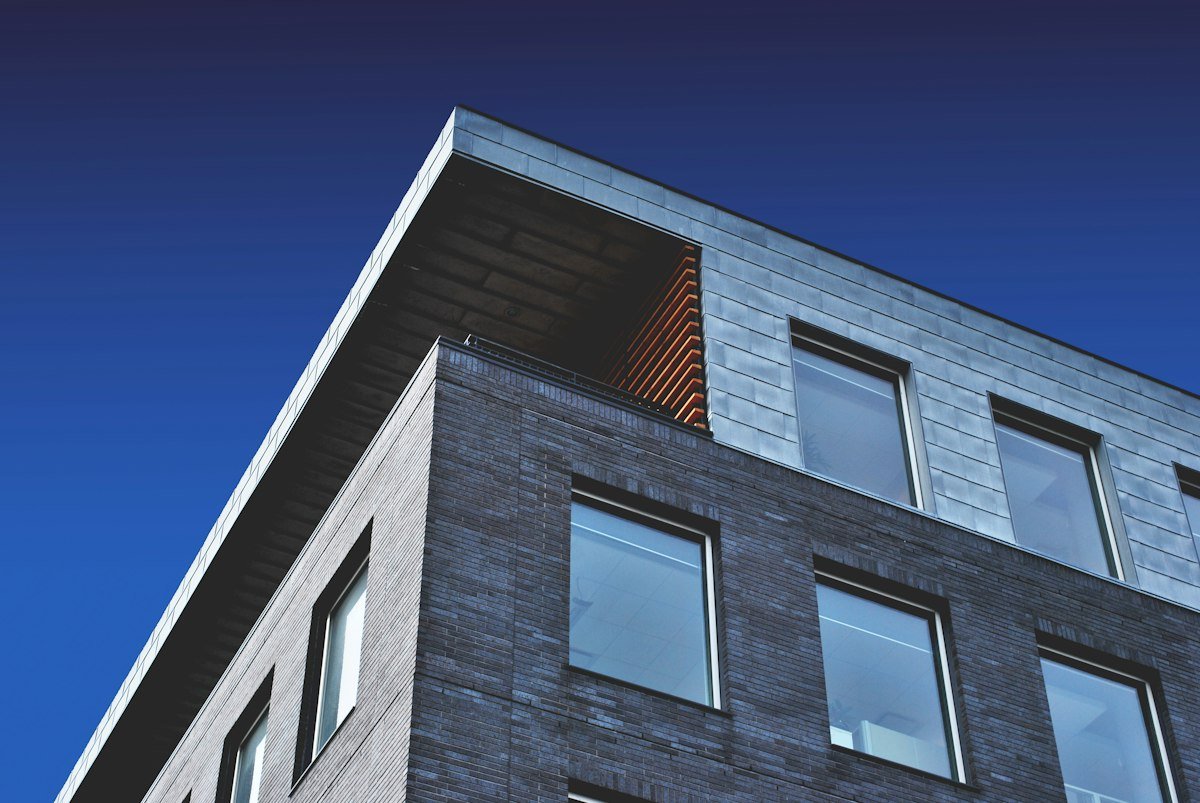
Rotterdam was bombed flat in 1940 and rebuilt from scratch, which means it has no medieval centre and no obligation to historical styles. The result is the most concentrated collection of innovative architecture in Europe: the Cube Houses by Piet Blom, the Central Station redesigned by Benthem Crouwel, the Markthal (a residential arch over a food market) by MVRDV, the Erasmusbrug suspension bridge. The Fenix Food Factory in the Katendrecht neighbourhood and the Hotel New York in the former Holland America Line building are the best places to eat and understand the city’s relationship with its port history.
3. Delft
”
Delft is the town most associated with Dutch Golden Age painting — Vermeer was born, lived, and died here and painted his View of Delft (now in the Mauritshuis in The Hague) from the south bank of the Schie. The town centre has changed remarkably little since the 17th century. The Royal Delft factory (De Koninklijke Porceleyne Fles) is the only remaining original Delftware manufacturer and the factory tour shows the entire hand-painting process. The Old and New Churches hold the mausoleums of the House of Orange. Delft is 15 minutes by train from both Rotterdam and The Hague.
4. The Hague and the Mauritshuis
”
The Mauritshuis in The Hague holds a small collection of Dutch Golden Age masterpieces that punches far above its size: Vermeer’s Girl with a Pearl Earring, Rembrandt’s Anatomy Lesson of Dr Nicolaes Tulp, and Fabritius’s The Goldfinch are all here. The building itself — a 17th-century palace — is part of the experience. The Hague also has the International Court of Justice, the Peace Palace, and Scheveningen beach — a proper North Sea beach with a pier, a fishing harbour, and a promenade that is genuinely used by Dutch people rather than built for tourists.
5. Utrecht
”
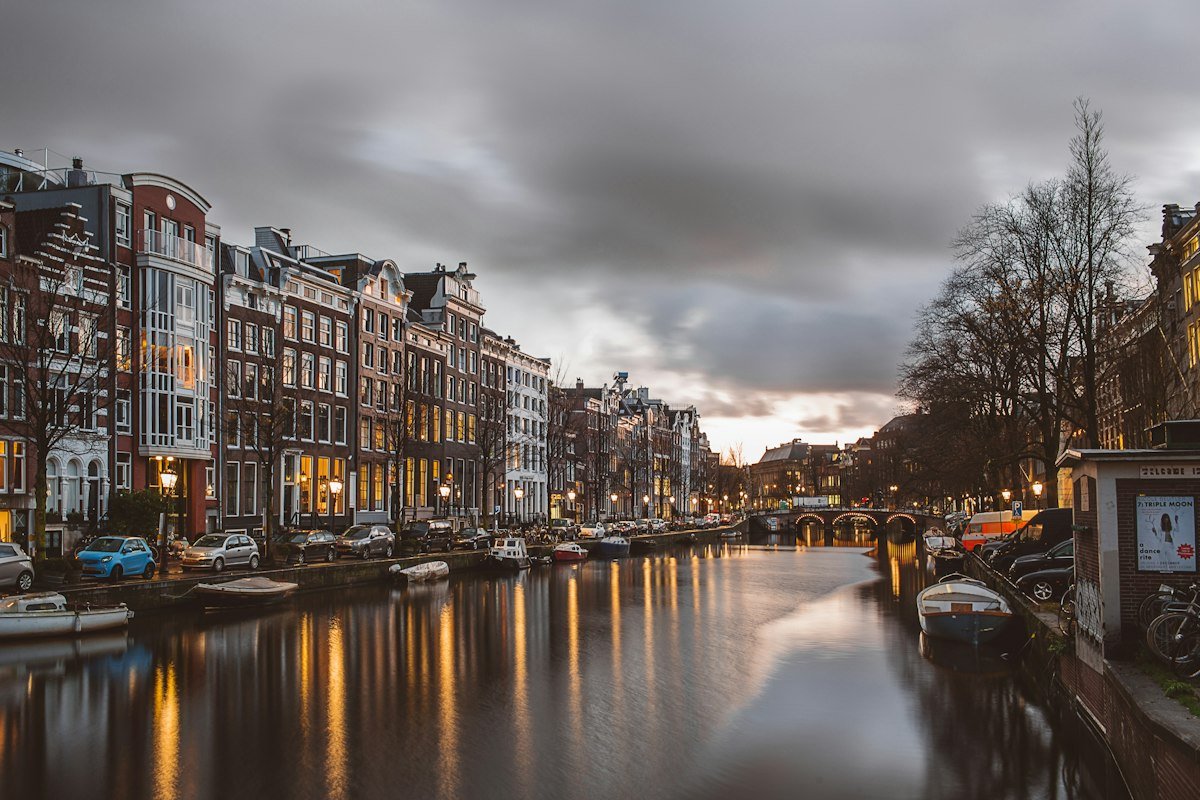
Utrecht has a double-level canal system — the wharves and cellars built below street level in the 13th century are unique in the world and now house restaurants and bars that look out over the water from below rather than above. The Dom Tower is the tallest church tower in the Netherlands (112 metres) and the guided climb — the tower lost its nave in a 1674 storm and the two sections still stand separated by an open square — is one of the best views in the country. The Rietveld Schröder House, designed by Gerrit Rietveld in 1924, is a UNESCO-listed building and the best example of De Stijl architecture in existence.
6. Giethoorn
”
Giethoorn is a village with no roads — only canals and footpaths — built on a series of islands connected by wooden bridges. The 180 or so residents navigate by punt or electric boat. It is sometimes called the Venice of the North, which undersells how specifically Dutch it is: thatched farmhouses rather than palazzos, flat polder landscape rather than Adriatic lagoon, absolute quiet rather than tourist crowds. The quiet breaks completely in summer; visit on a weekday in May or September. Electric boat rental from the village entrance is straightforward and no experience is required.
7. Haarlem
”
Haarlem is 20 minutes from Amsterdam by train and has a medieval centre, a major art museum (the Frans Hals Museum), and a flower market held on Saturday mornings in the Grote Markt. The Grote Kerk — St Bavo’s Cathedral — has an organ that Mozart played as a ten-year-old in 1766 and Handel played two years earlier. The Teylers Museum, founded in 1778, is the oldest museum in the Netherlands and has a collection of scientific instruments, fossils, and drawings that feels like a cabinet of curiosities rather than a conventional museum. An excellent day trip from Amsterdam.
Practical Information
”
The Dutch rail network (NS) is excellent and connects all major cities. An OV-chipkaart loaded with credit works on trains, trams, and buses throughout the country. Bicycle rental is available at most train stations through the NS Fiets service. The Netherlands is flat and the cycling infrastructure is the best in the world — renting a bicycle and cycling between towns is genuinely practical for distances under 30 kilometres. The country is most beautiful in April and May when the bulb fields are in flower. August is the peak tourist month; the shoulder seasons of May and September are preferable.
Related Travel Guides
Keep planning with these guides: Best Places in Ireland Beyond Dublin, Best Places in Sweden Beyond Stockholm, Best Places in France Beyond Paris.
Official sources
Check current conditions with Holland.com before you travel.
[…] Keep planning with these guides: Croatia Travel Guide, Best Places in France Beyond Paris, Best Places in the Netherlands Beyond Amsterdam. […]
[…] planning with these guides: Best Places in the Netherlands Beyond Amsterdam, Best Places in Sweden Beyond Stockholm, Croatia Travel […]