
Sri Lanka rewards travelers who resist the urge to cover the whole island at once. This sri lanka itinerary 10 days plan links ancient sites, the central highlands, and the south coast without turning every day into a transfer. It is designed for first-time visitors who want variety, manageable travel times, and enough flexibility for weather or fatigue.
The route begins near the airport, continues through Sigiriya and Kandy, follows the railway into tea country, and finishes beside the Indian Ocean. You will still need to choose between a few alternatives, but that is a strength: a realistic trip leaves room to enjoy where you are.
Sri Lanka Itinerary 10 Days: Route at a Glance
- Day 1: Arrive and recover in Negombo
- Days 2–3: Sigiriya and the Cultural Triangle
- Day 4: Kandy
- Days 5–6: Train to Ella and hill-country walks
- Day 7: Ella to the south coast, with an optional safari
- Days 8–9: South-coast beach and Galle
- Day 10: Return to the airport
Day 1: Arrive and Reset in Negombo
Negombo is a practical first stop because it is closer to the international airport than central Colombo. After a long flight, checking into a small hotel near the beach or lagoon is easier than beginning a major road journey.
Keep the day deliberately light. Walk along the seafront, look around the fish-market area if energy allows, and eat an early dinner. Confirm the next morning’s driver or bus connection before sleeping. Travelers who land early and feel rested can continue directly toward Sigiriya, but doing so makes the opening day much longer.
Day 2: Travel to Sigiriya and Explore Nearby
Leave after breakfast for the Cultural Triangle. A private car is the simplest option and usually takes much of the morning once breaks and traffic are included. Public transport costs less, but typically involves a bus change and less predictable timing.
Stay in Sigiriya for easy access to the rock fortress, or choose nearby Habarana for a broader range of transport links and nature-focused lodgings. In the late afternoon, take a gentle village walk or climb Pidurangala only if conditions are dry and you are comfortable with a rough final scramble. Save your energy if you plan to climb Sigiriya Rock the next morning.
Day 3: Sigiriya Rock and an Ancient-City Choice
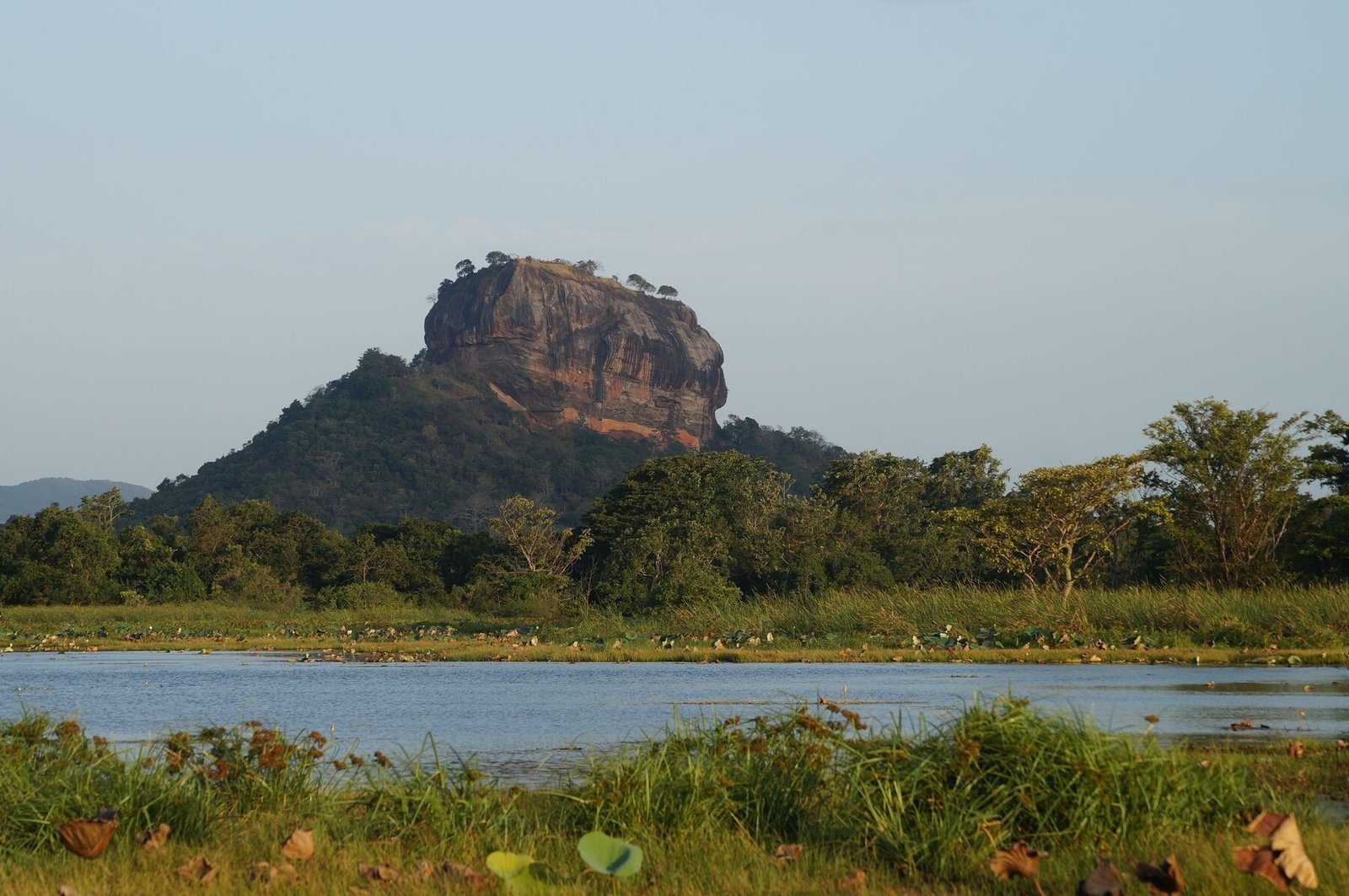
Start early at Sigiriya Rock to avoid the strongest heat and the busiest stairways. Allow several hours for the water gardens, fresco area, lion-paw terrace, and summit. The climb includes exposed steps, so carry water, wear shoes with grip, and take breaks rather than rushing.
For the afternoon, choose one major excursion. Polonnaruwa suits travelers who want an extensive archaeological complex that can be explored by bicycle or vehicle. Dambulla is closer and combines a cave-temple visit with a shorter transfer. Attempting both after Sigiriya makes the day feel compressed.
Day 4: Dambulla and Kandy
If you did not visit Dambulla yesterday, stop at its cave temples while traveling south. Modest clothing is required at religious sites; shoulders and knees should be covered, and shoes must be removed in designated areas. Socks can help on sun-warmed stone.
Continue to Kandy and check in around the lake for convenient sightseeing, or in the surrounding hills for quieter evenings. Later, walk around part of Kandy Lake and visit the Temple of the Sacred Tooth Relic. Observe posted rules, avoid photographing worshippers without permission, and expect security checks.
Day 5: Take the Scenic Train into Tea Country
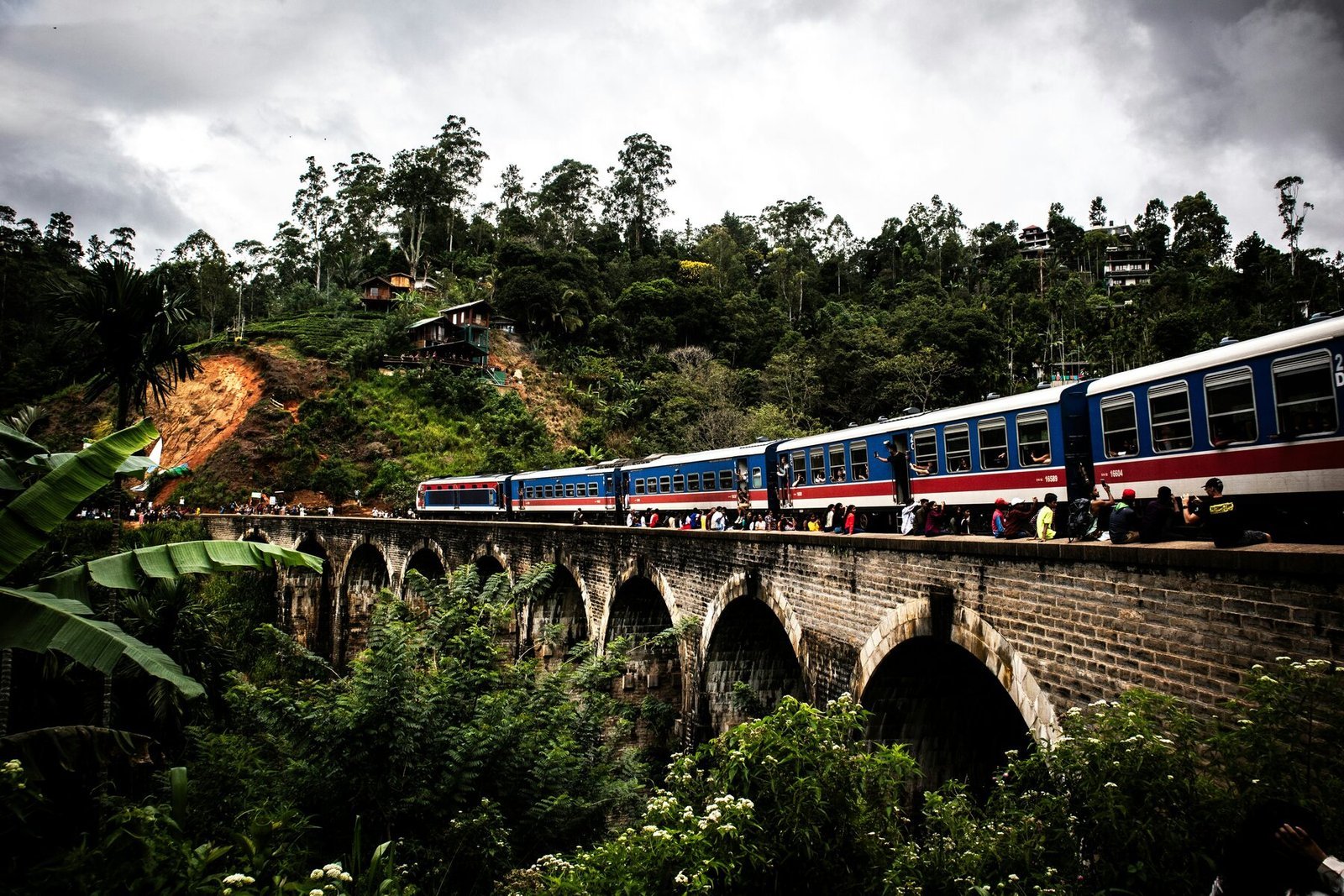
The rail journey from Kandy toward Ella is famous for mountain views, but it is also a functioning public service. Reserved seats can be difficult to secure, while unreserved carriages may be crowded. Check official or station-based options when planning, and do not rely on standing in an open doorway for photographs.
Day 6: Walk, Eat, and Slow Down in Ella
Begin with Little Adam’s Peak for a relatively approachable hill-country walk. Go early, bring sun protection, and turn back if rain makes the trail slippery. Continue to the Nine Arch Bridge at a relaxed pace, keeping off the tracks when trains approach and following local safety instructions.
Day 7: Descend to the South Coast
Travel by car toward the south coast. The winding road out of the highlands is scenic, but motion-sensitive passengers may prefer a front seat and regular stops. Buses are possible for budget travelers, though luggage and connections can make this a tiring day.
For the next two nights, Mirissa suits travelers seeking cafés and a sociable beach base. Weligama is convenient for beginner surf lessons, while Tangalle offers a quieter setting but adds travel time before Galle.
Day 8: A Flexible South-Coast Day
Keep this day open. Swim only where conditions appear safe and heed local flags or advice, because currents can be strong even when the sea looks calm. A surf lesson with a reputable instructor is a good alternative for beginners; confirm that the lesson includes suitable equipment and a clear safety briefing.
Day 9: Coastal Stops and Galle Fort
Travel west toward Galle, stopping only where it genuinely interests you. Possible breaks include a café in Weligama or a walk near Koggala, but frequent roadside stops can consume the day. Arrive in Galle with enough time to explore the fort on foot.
Inside the fort walls, lanes connect museums, places of worship, shops, restaurants, and sea-facing ramparts. Walk the walls toward late afternoon when the light is softer, while taking care on uneven edges. Stay inside the fort for atmosphere and walkability, or choose Galle town or Unawatuna for different budgets and easier beach access.
Day 10: Return to the Airport
Allow generous time for the journey from Galle to the airport. An expressway transfer by car is the most direct choice. Train travel can be enjoyable, but reaching the airport requires an additional road connection and leaves less protection against delays.
Transport Tips for a Smooth Route
A mixed transport strategy balances time and cost. Hire a driver for the airport–Sigiriya–Kandy section, take the hill-country train, then use a car or selected buses toward the coast. Solo travelers may favor buses and trains; a small group can find a private vehicle worthwhile once the fare is shared.
Road distances can look short but take longer than expected because of traffic, mountain bends, and town centers. Avoid scheduling a fixed activity immediately after a transfer. Agree on the fare, stops, luggage space, and whether parking or driver accommodation is included before accepting a private-car quote.
Where to Stay Along the Route
In Ella, check elevation and road access before reserving a view property. On the south coast, match the base to your priorities: Weligama for surf, Mirissa for a livelier traveler scene, or Tangalle for quieter beaches. Galle Fort works well for the final night if the historic setting justifies higher room rates for you.
Weather and Seasonal Flexibility
Sri Lanka’s weather patterns differ between coasts and can shift from year to year. Rain on one part of the island does not necessarily mean rain everywhere, and brief heavy showers may be followed by clear periods. Check regional forecasts shortly before travel rather than relying only on broad seasonal labels.
During wet spells, allow extra road time and reconsider exposed hikes, rough-sea activities, and wildlife drives. The route can be reversed or adapted toward the east coast if conditions and transport suit your dates, but doing so requires a fresh review of transfer times.
Planning and Budget Considerations
Flights, private drivers, heritage-site tickets, and safaris are likely to be the largest expenses. Accommodation spans simple guesthouses to high-end resorts, so decide where comfort matters most. Spending more on a well-located room can reduce tuk-tuk journeys and save valuable time.
Build a contingency into the budget for changing transport, laundry, tips, and weather-related alternatives. Carry more than one payment method and keep some local cash for small businesses and buses. Verify current entry requirements, ticket rules, and insurance coverage through authoritative sources before departure.
Frequently Asked Questions
Is 10 days enough for Sri Lanka?
Ten days is enough for a focused first trip covering the Cultural Triangle, hill country, and part of the south coast. It is not enough to see every region. Choosing one coastal area and limiting one-night stays creates a more enjoyable pace.
Should I hire a driver for the entire trip?
Not necessarily. A driver is most valuable for multi-stop road sections, especially between the airport, Sigiriya, and Kandy. The train to Ella is part of the experience, and short coastal journeys can be handled separately. Compare the convenience of one driver with the flexibility of mixed transport.
Can this route work without a safari?
Yes. Replace the safari with another night on the coast, extra time in Ella, or a slower transfer day. Wildlife sightings are never guaranteed, so a safari should be an informed preference rather than an obligation.
Is the itinerary suitable for families?
It can be, with adjustments. Families may want a private vehicle, fewer hotel changes, and alternatives to steep climbs. Check room layouts, child restraints, pool supervision, and activity age limits directly with providers.
A Balanced First Visit to Sri Lanka
This route offers a clear structure without pretending that travel always runs to schedule. Its strongest moments come from contrast: ancient stonework, cool mountain air, a practical rail journey, and time beside the ocean.
Book the essential transfers and first nights, then preserve some flexibility for weather and energy levels. Ten thoughtful days will reveal more than a hurried attempt to circle the island, and leave good reasons to return for the regions you deliberately skipped.
Planning sources and editorial note
Last fact-check: 3 August 2026. This is a research-led planning guide, not a fabricated first-hand travel diary. Prices, schedules, entry rules and local conditions can change; confirm time-sensitive details with the official sources below before booking.
Related Travel Guides
Keep planning with these guides: Sri Lanka Travel Guide, Colombo to Ella Train Guide, Mirissa vs Unawatuna.

[…] Where to stay in Sri Lanka […]
[…] planning with these guides: Sri Lanka Travel Guide, 10-Day Sri Lanka Itinerary, Sri Lanka Travel […]