
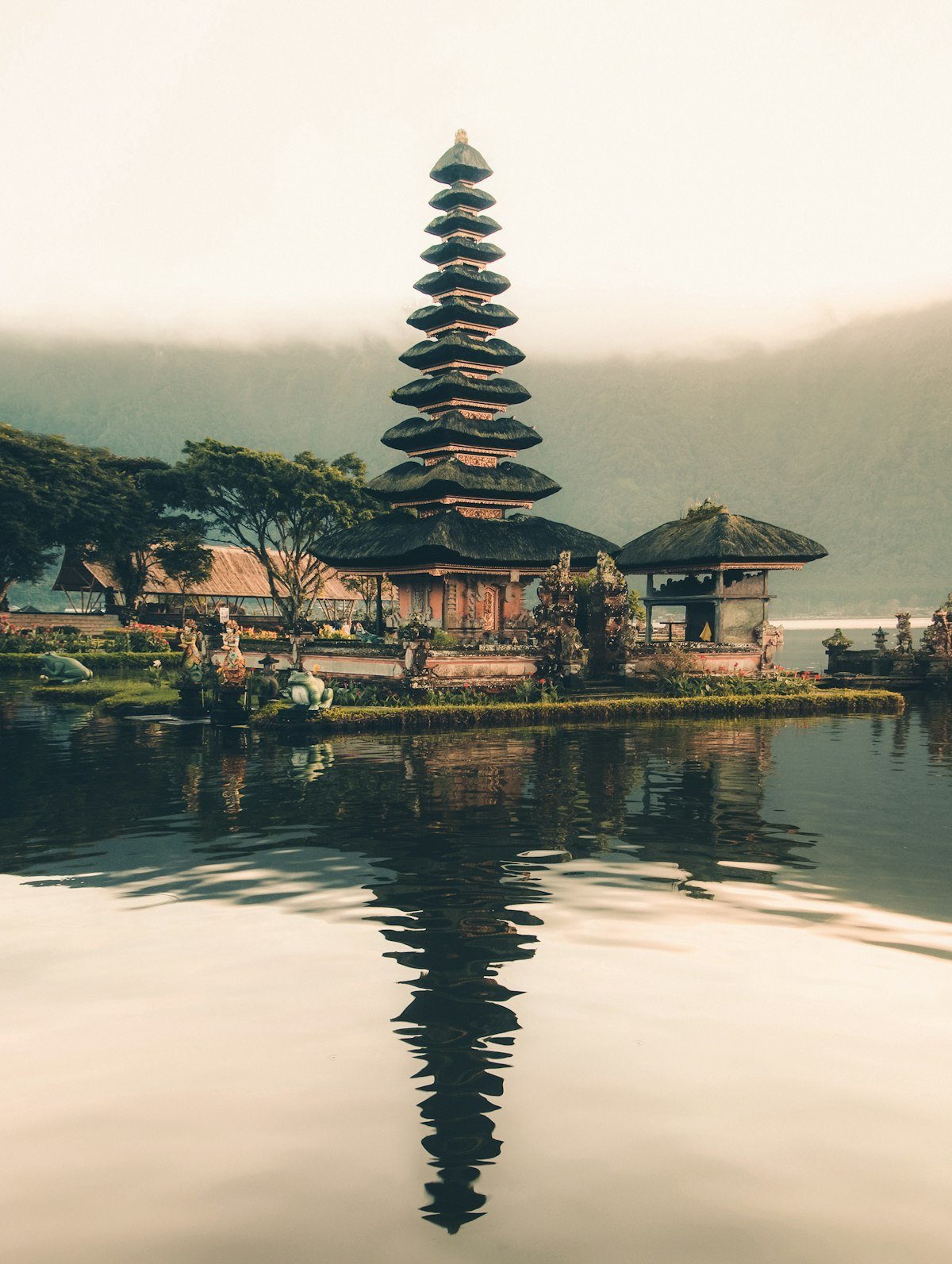
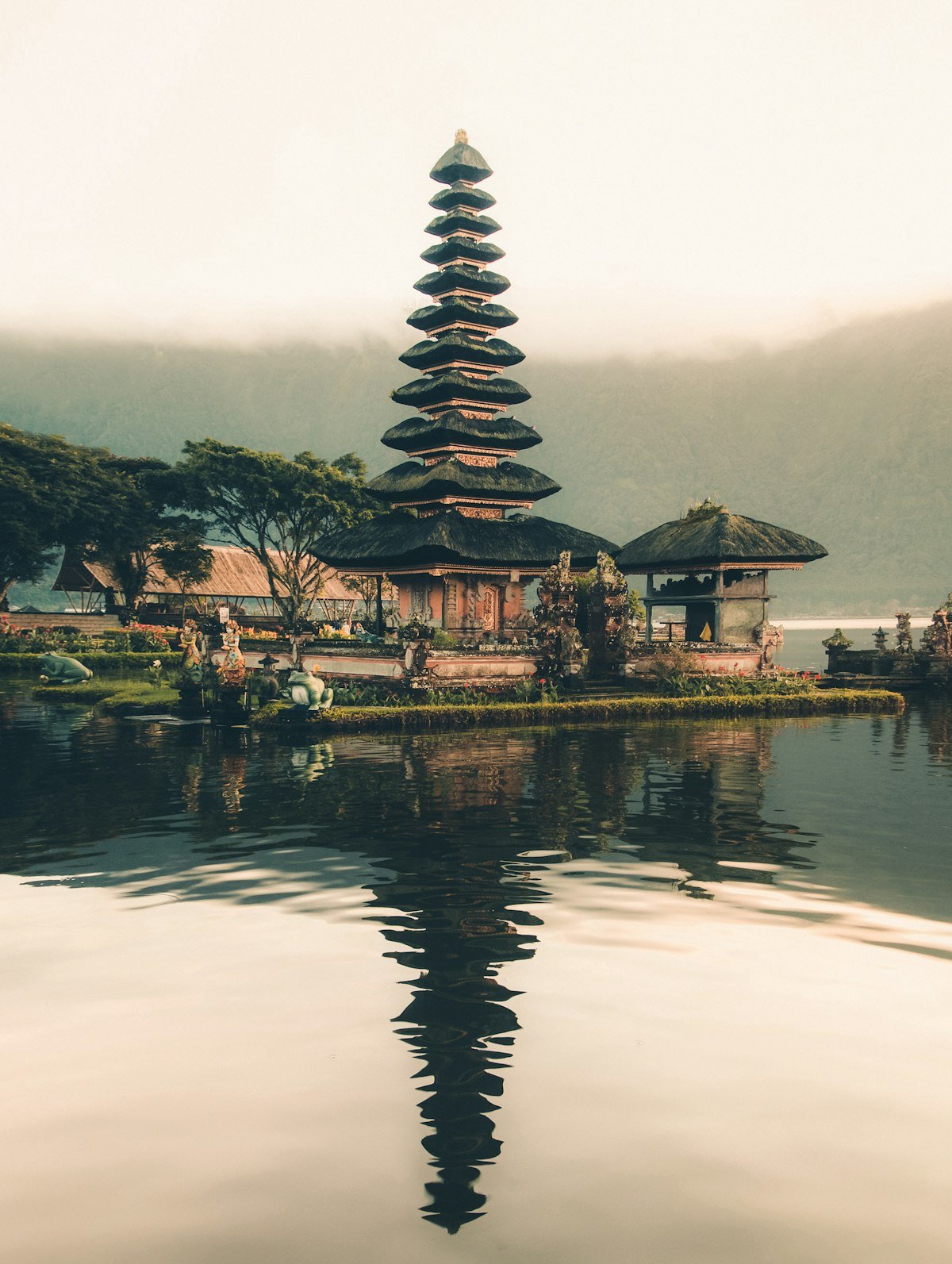
I arrived in Bali expecting temples and rice terraces and left with something I had not anticipated: a deep, quiet appreciation for a place that has somehow managed to retain its soul despite the millions of visitors who pass through each year. Bali is not a hidden gem — that ship sailed decades ago — but it is one of those rare destinations where the cliche and the reality coexist without cancelling each other out.
I spent five weeks on the island across two separate trips, which gave me enough time to move past the obvious and find the corners that still feel genuinely Balinese. Here is what I found.
1. Ubud: The Cultural Heart
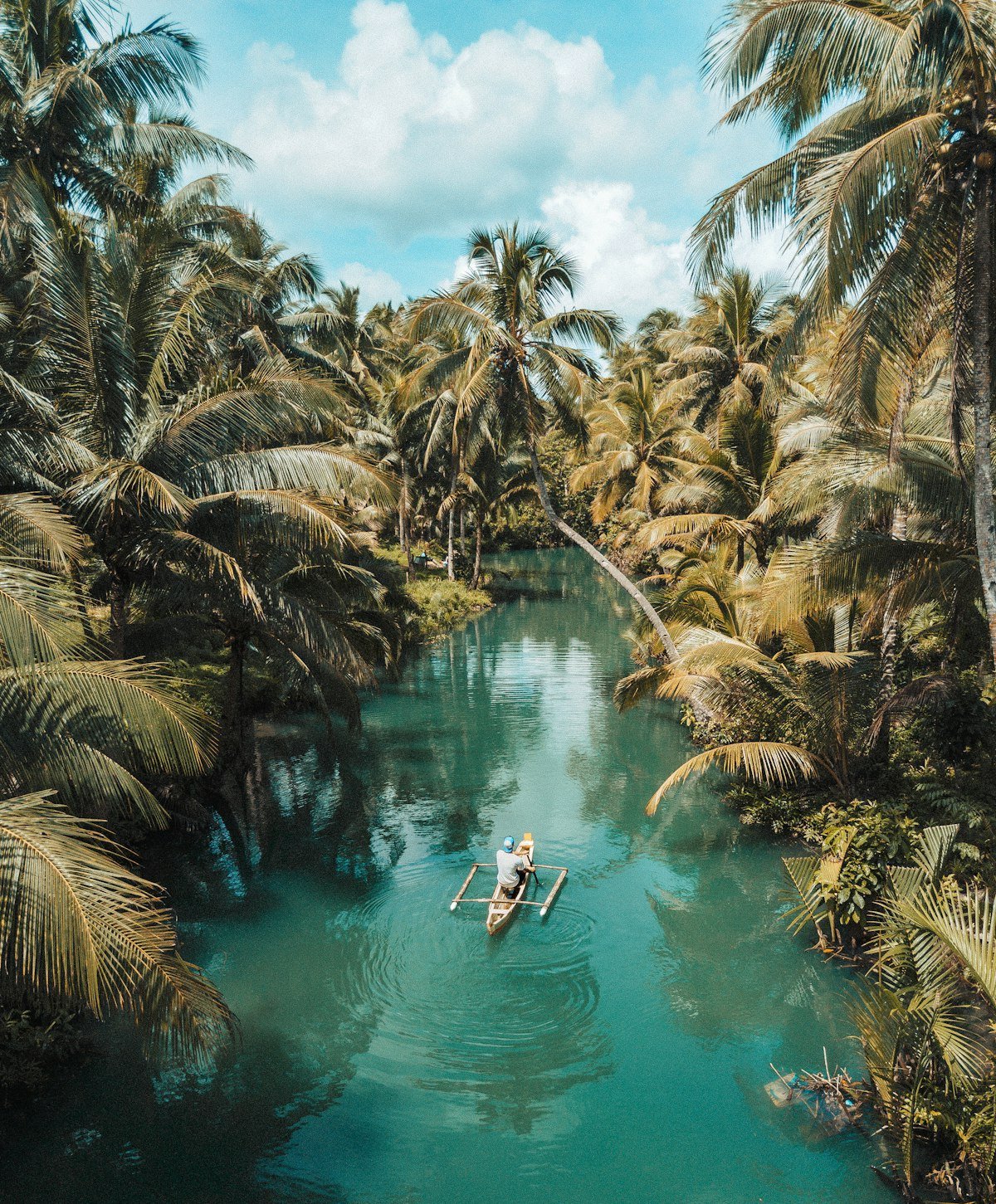
Ubud is the part of Bali most travel writers reach for when they want to say something meaningful about the island. There is a reason for that. The town sits in the cooler highlands, surrounded by rice terraces and jungle rivers, and its streets are lined with galleries, family temples and small warungs serving nasi goreng at six in the morning. I rented a bicycle on my first day and pedalled into the terraces at dawn before the tour groups arrived. It was one of those mornings that reminds you why you bother travelling at all.
The Tegallalang rice terraces get the photographs, but I preferred the quieter subak irrigation systems around Pejeng and Tampaksiring, where local farmers still work the land using methods unchanged for centuries.
2. Seminyak and Canggu: Beach Life Done Well
I will be honest: I resisted Seminyak on my first trip. It felt too polished, too Instagram-ready. By my second visit I had made peace with it. The beach sunsets here are legitimately extraordinary — the sky turns the colour of a blood orange and everybody stops what they are doing to watch — and the restaurant scene, particularly along Eat Street, is among the best I have found anywhere in Southeast Asia.
Canggu, twenty minutes north, has become Bali’s digital nomad capital, and it shows. The cafes have fast wifi and excellent coffee, the surf is consistent, and the energy is relaxed in a way that Seminyak, with its cocktail bars and fashion boutiques, sometimes is not. I spent two weeks working from Canggu and found it genuinely productive — partly the coffee, partly the view of green paddies from my laptop.
3. Mount Batur Sunrise Trek

The alarm went off at 2am and I considered, not for the first time, whether I had made a mistake. By 5:30am, standing on the crater rim of an active volcano watching the sun rise over the clouds while drinking a cup of tea that a local guide had somehow produced from a bag he carried up the mountain, I was rather glad I had come.
The Mount Batur trek takes around two hours each way and is steep but manageable without any technical experience. The summit views take in Lake Batur below and, on clear days, Mount Agung looming to the east. Book through a reputable guide rather than a tout — the official trekking association operates from Toya Bungkah village and the guides are excellent.
4. Uluwatu: Cliffs, Temples and World-Class Surf
Uluwatu sits on the southern Bukit Peninsula, a limestone plateau that drops sharply into the Indian Ocean. The surf breaks here — Uluwatu, Padang Padang, Bingin — are among the best in Asia, and the cliffs above them are genuinely dramatic. I am not a surfer, but I spent an afternoon watching the sets roll in from a cafe perched on the cliff edge, drinking Bintang and feeling extremely content about life.
The Uluwatu Temple, built on a promontory sixty metres above the ocean, is one of Bali’s most important sea temples. Go at sunset, watch the kecak fire dance performed on the clifftop, and try to ignore the monkeys — they are charming until they steal your sunglasses.
5. Sidemen Valley: Bali Without the Crowds
Most visitors to Bali never make it to Sidemen. This is their loss and your gain. The valley lies east of Ubud, in the shadow of Mount Agung, and it looks like a painting — steep terraced hillsides, a river rushing through the bottom, traditional villages going about their lives with complete indifference to tourism. I stayed in a small guesthouse run by a rice farmer and his family for three nights, ate whatever they cooked, and went on long walks through the paddies each morning. It was the best accommodation decision of the trip.
6. Cooking Classes and Food Culture
Balinese food is distinct from the broader Indonesian cuisine most visitors expect. The flavours are deeper, more complex — rich with shrimp paste, galangal, turmeric and long pepper. I took a cooking class in Ubud that began at dawn in the local market, learning to identify ingredients I had been eating for weeks without being able to name. By noon I had made lawar, bebek betutu and three types of sambal and understood Balinese food in a way I never would have from a restaurant menu.
7. The Temple Circuit
Bali is a Hindu island in a predominantly Muslim country, and this shapes everything about it. Offerings appear on doorsteps every morning. Ceremony punctuates daily life. The temples — pura in Balinese — are everywhere, from grand complexes like Pura Besakih on the slopes of Agung to tiny family shrines in private courtyards.
If you visit one temple, make it Tanah Lot at sunset, standing on its sea rock as the tide comes in and the sky goes pink. If you visit two, add Tirta Empul, where Balinese Hindus come to purify themselves in sacred spring water, and where visitors are welcome to participate. It is one of the more moving experiences I have had in a public space.
Practical Tips
- Rent a scooter — it is the fastest and most flexible way to get around, and the roads outside the main tourist areas are empty and beautiful.
- Hire a driver for day trips further afield. A full day with a knowledgeable local driver costs around -50 and is worth every cent.
- Shoulder season (April-May, September-October) offers the best balance of weather and crowd levels.
- Always carry a sarong — you will need one to enter any temple.
Heading further into Southeast Asia? Read our Vietnam travel guide for another unforgettable trip.
Related Travel Guides
Keep planning with these guides: Vietnam Travel Guide, Things to Do in Siem Reap, 2-Week Malaysia Itinerary.
Official sources
Check current conditions with Indonesia Travel before you travel.
[…] Keep planning with these guides: Vietnam Travel Guide, 2-Week Malaysia Itinerary, Bali Travel Guide. […]