
The best time to visit the Philippines depends on which islands matter most and what you hope to do. For many itineraries, December to February brings a comfortable balance of drier days, lower humidity and manageable heat. Yet this archipelago stretches across several weather patterns, so a sunny beach week in Palawan can coincide with rougher conditions on an eastern coast. Use national seasons as a starting point, then check the outlook for each destination.
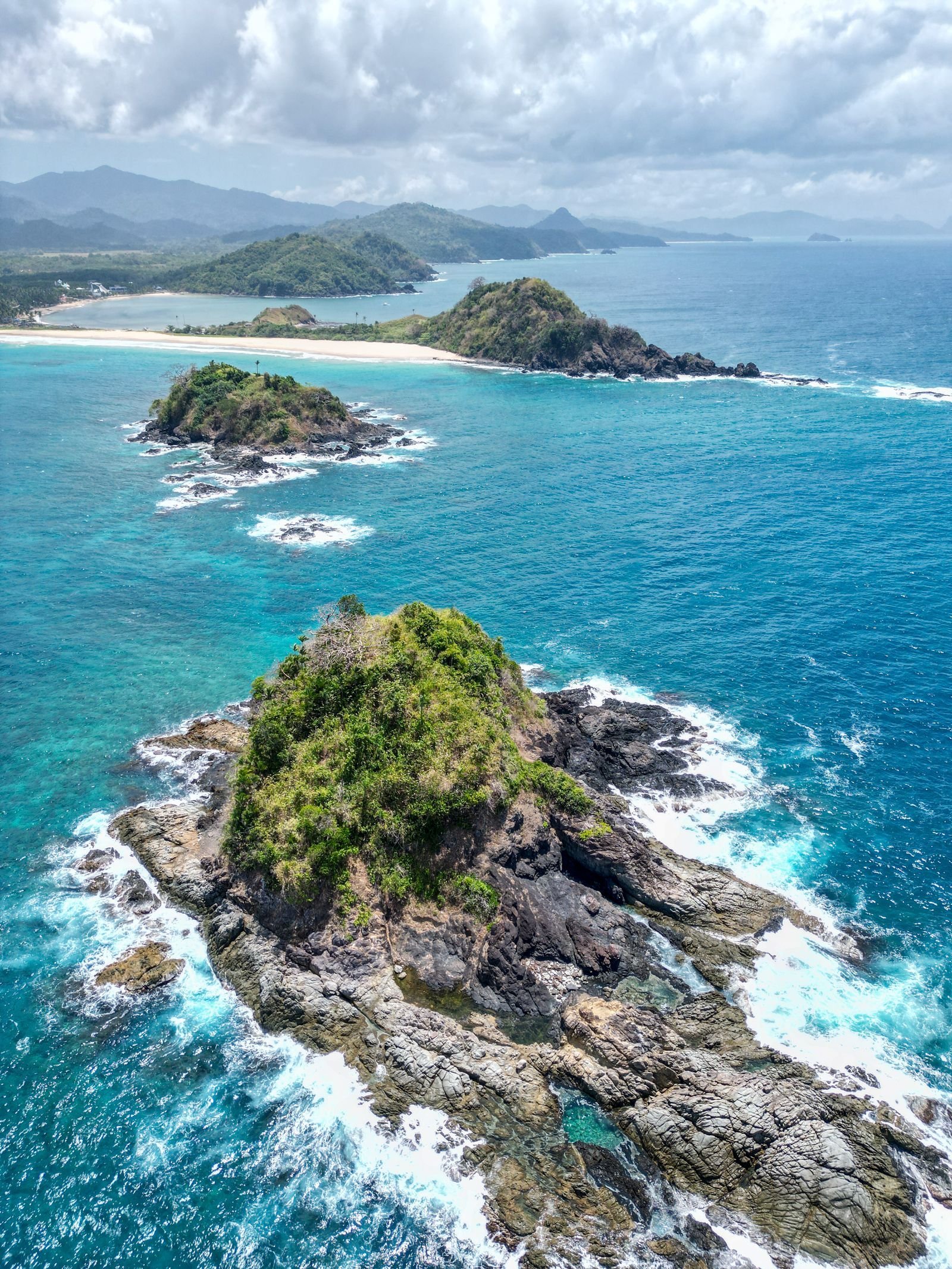
Best Time to Visit the Philippines by Season
PAGASA, the national weather agency, broadly describes a dry season from December to May and a rainy season from June to November. The dry period is commonly divided into the cool dry months of December to February and the hot dry months of March to May. These labels are useful for planning, but they do not describe every island equally.
The Philippines has four recognized climate types. Some western areas have a pronounced dry season, while parts of the eastern seaboard receive rain through much of the year. Other regions have less distinct seasons or a short dry spell. Local terrain, monsoon winds and exposure to the Pacific also shape conditions. A national forecast therefore cannot replace a city- or island-level check close to departure.
Tropical cyclones can affect the country at any time of year, although risk is generally highest from July to October. A storm does not affect the entire archipelago in the same way, and many rainy-season days still include usable dry intervals. Travelers should treat seasonal patterns as probabilities, not promises.
Cool dry season: December to February
This is the most broadly appealing window for city touring, hiking and multi-island trips. Temperatures are often less oppressive than later in the dry season, especially in northern Luzon and higher places such as Baguio. Popular beaches can be busy, and Christmas, New Year, Lunar New Year and major local festivals increase demand on particular dates.
Hot dry season: March to May
Longer bright spells often suit beach trips, diving and boat excursions in western destinations. Heat and humidity rise, with April and May commonly feeling most intense. Holy Week and the domestic school break can fill resorts, ferries and roads.
Rainy season: June to November
This period can reward flexible travelers with fewer visitors and better-value accommodation. Rain may arrive as a short heavy shower, a run of wet days or storm-related disruption. July to October deserves extra caution because cyclone activity is typically at its peak. November can be transitional, but eastern islands may still be wet.
Month-by-Month Philippines Travel Guide
- January
- Often cooler and relatively dry across many western and central destinations. It is a strong month for Manila, northern Luzon, Palawan and the Visayas.
- February
- Similar to January, with generally comfortable touring weather and good beach potential in many areas. Seas and local rain can still vary, so confirm boat operations.
- March
- Dry-season conditions often continue while temperatures climb. Diving, beach stays and island hopping are attractive, especially in the west. Carry strong sun protection and avoid scheduling strenuous walks at midday.
- April
- Expect heat, high domestic demand and busy transport around Holy Week. Coastal time can be rewarding, but popular resorts may feel crowded. Book early or choose quieter weekdays and allow extra transfer time.
- May
- Hot conditions often persist, while showers become more frequent as the season shifts. It can suit travelers who accept humidity and changing skies. Keep water-based plans movable and monitor heat advisories.
- June
- The rainy season broadly begins, though timing differs by region. Lower demand can improve value, and mornings may remain usable. Pack for sudden downpours and choose ferry or flight bookings with practical change terms.
- July
- Rain and cyclone disruption become a larger concern, particularly for Luzon and exposed routes. Some trips proceed normally, but a buffer day is wise. Siargao’s surf season is developing as Pacific swells strengthen.
- August
- Wet weather and transport changes remain possible, while surf conditions can draw experienced riders to Siargao. Avoid tight island connections. Urban travelers should allow for localized flooding and traffic delays after heavy rain.
- September
- This remains within the usual cyclone peak and calls for maximum flexibility. It can bring low-season availability, but savings should be weighed against disruption risk. Follow official warnings rather than social media forecasts.
- October
- Conditions can be transitional in some western areas, although cyclone risk remains elevated and eastern coasts can stay unsettled. Surfing around Siargao is often a major draw. Do not assume identical weather across connecting islands.
- November
- Some western destinations begin moving toward drier weather, making this a useful shoulder month. Rain remains possible, especially on Pacific-facing islands. Early-month plans benefit from the same flexibility used in the wet season.
- December
- Cooler dry-season patterns return across much of the country, supporting mixed city, nature and beach itineraries. Holiday crowds and fares build through the month. Eastern areas can still receive substantial rain from seasonal winds.
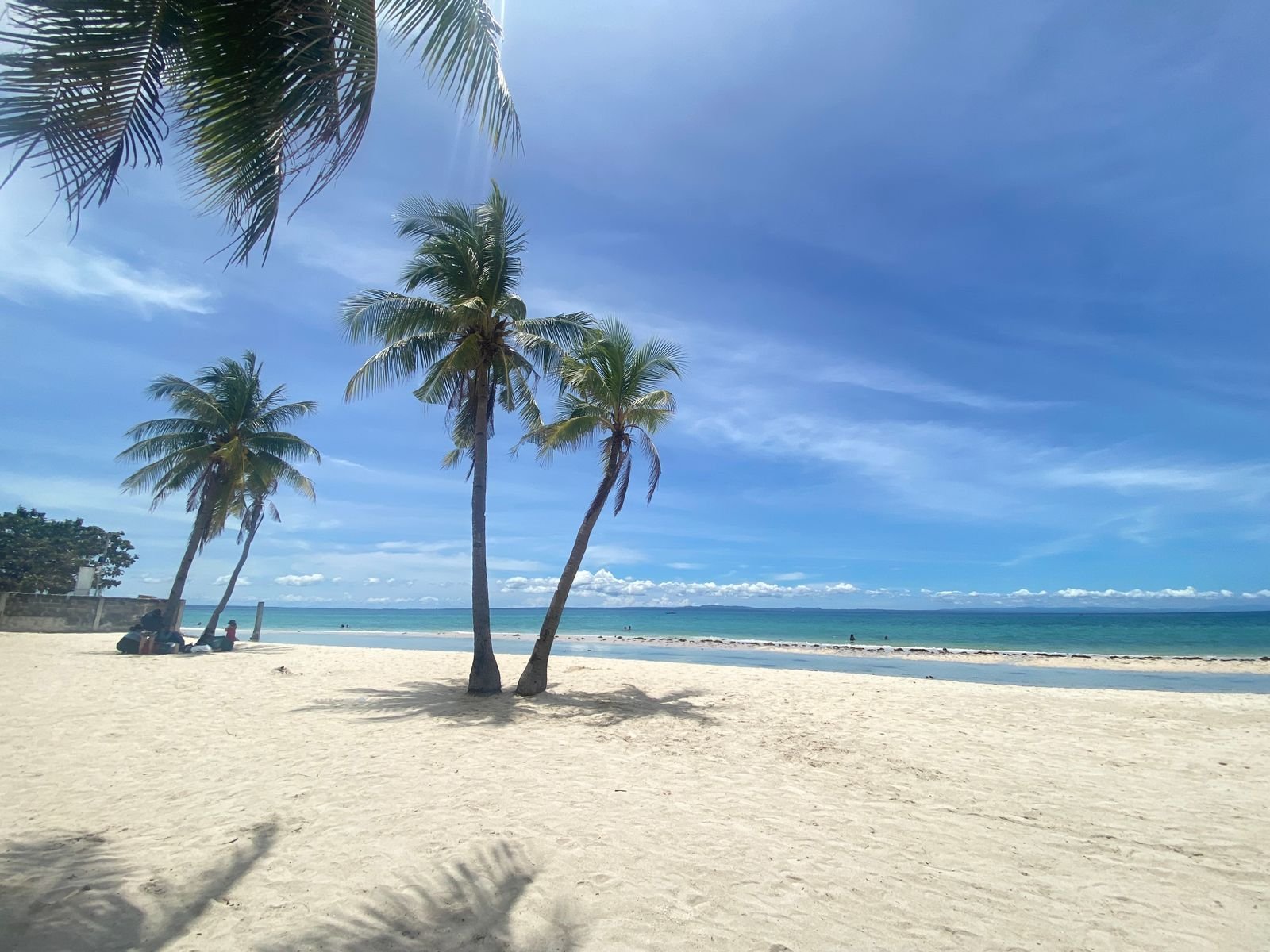
Regional Weather and Destination Nuances
Manila and Luzon
December to February is usually the easiest period for exploring Manila on foot and combining the capital with northern Luzon. March to May is hotter, while monsoon rain from June onward can slow road travel and cause localized flooding. Mountain areas are cooler than the lowlands, sometimes markedly so at night. Northern and eastern Luzon are also more exposed to some cyclone tracks, making schedule buffers important in peak storm months.
Palawan and Boracay
These western destinations generally align more closely with the pronounced dry-season pattern. December to April is popular for beaches and boat trips, with March and April bringing stronger heat. The southwest monsoon can create wetter, windier conditions from June into October and may cancel marine excursions.
Cebu and Bohol
Cebu and Bohol often work well from January to May, but their seasons are less sharply divided than those of some western islands. Short showers are possible even in favored months. Diving operates year-round at many sites, subject to visibility, currents and safe boat conditions.
Siargao and the eastern islands
Pacific-facing islands do not follow the classic western beach calendar. Siargao can be wetter from roughly November into early spring, while its best-known surf season generally builds from July and peaks around September to November. Beginners and non-surfers may prefer gentler conditions at other times. Eastern Samar, Leyte and nearby coasts also need destination-specific checks because rain exposure differs from Palawan or Manila.
Mindanao
Much of Mindanao lies outside the country’s most frequent cyclone paths, but rain is possible throughout the year and local patterns vary. Davao has less pronounced seasonal contrast than Manila, while eastern sections face the Pacific.
When to Go for Diving, Surfing and Smaller Crowds
Divers often favor the drier months for calmer transfers and better visibility, but the ideal window depends on the site and target species. Tubbataha Reef, for example, has a tightly controlled liveaboard season linked to sea conditions, while Cebu and Bohol offer broader calendars. Confirm current schedules with licensed operators and ask about certification, equipment and cancellation policies.
Surf travel follows swell rather than the national dry season. Siargao’s headline waves are typically strongest from late summer into autumn, whereas other coasts respond to different monsoons. New surfers should choose a suitable break and qualified instructor instead of chasing the largest forecast.
For fewer crowds, consider late May, June or November in destinations where forecasts and transport remain workable. Accommodation promotions may appear during wetter periods, but lower rates carry a greater chance of changed plans. Christmas, New Year, Holy Week, school holidays and major festivals can raise demand quickly. Local events vary annually, so check calendars before buying non-refundable tickets.
Budget, Packing and Weather-Safe Planning
High-season travel generally rewards early booking; low season rewards flexibility. Compare the whole trip rather than the room rate alone, since a weather-related extra night or missed connection can erase apparent savings. Avoid same-day international connections after ferries, and consider travel insurance that clearly explains delay, cancellation and cyclone coverage.
Pack breathable clothing, a light waterproof layer, quick-drying footwear, reef-conscious sun protection, insect repellent and a reusable water bottle. A dry bag protects documents and electronics on boats. In cooler highland areas, add a light sweater. During hotter months, plan outdoor activity early, take shade breaks and replace fluids regularly.
Check PAGASA bulletins and local government notices before inter-island travel. Follow port closures and airline updates, and never pressure a boat operator to depart in unsafe conditions. Keep digital and paper copies of essential details, leave room for itinerary changes, and know your accommodation’s evacuation guidance. Flexible bookings are particularly valuable from July to October, but sensible precautions apply year-round.
Frequently Asked Questions
What is the best overall month for the Philippines?
February is a strong all-round choice for many routes because it often combines relatively dry conditions with less intense heat. It is not universally best: eastern islands may be wetter, and festivals or holiday dates can affect availability.
Is the rainy season a bad time to visit?
Not necessarily. Travelers may find fewer crowds and better room availability, and rain is not always continuous. The tradeoff is a higher chance of disrupted boats, flights and outdoor plans, especially during the usual cyclone peak.
When is the cheapest time to travel?
Lower-demand rainy-season periods often offer better value than the dry-season peak. Exact deals change, so compare flexible rates and transport costs. The cheapest booking is not good value if its cancellation terms cannot absorb a storm-related change.
How many buffer days should an island itinerary include?
At least one uncommitted day before a long-haul flight is prudent, with more flexibility during wetter months or when several ferries are involved. Keep essential connections separate and avoid an itinerary that depends on every boat running exactly on time.
Official checks and editorial note
Last fact-check: 3 August 2026. This is a research-led planning guide, not a fabricated first-hand travel diary. Flight and ferry schedules, environmental fees, entry rules and weather conditions can change.
Related Travel Guides
Keep planning with these guides: 2-Week Philippines Itinerary, Siargao Travel Guide, Palawan Itinerary.



[…] Keep planning with these guides: 2-Week Philippines Itinerary, Palawan Itinerary, Best Time to Visit the Philippines. […]