
A well-paced Malaysia itinerary 2 weeks long can combine Kuala Lumpur’s urban energy, George Town’s food and heritage, and Langkawi’s beaches without making every other day a transfer. This 14-day route gives Kuala Lumpur four nights, Penang four nights, and Langkawi five nights, with the final day reserved for departure. Travel north by train or bus, then reach the island by flight. The sequence works particularly well for first-time visitors because it balances architecture, museums, markets, nature, and downtime while leaving room for weather changes.
Malaysia Itinerary 2 Weeks: Route at a Glance
- Days 1–4: Kuala Lumpur, including Batu Caves
- Days 5–8: George Town and Penang Island
- Days 9–13: Langkawi
- Day 14: Fly home or connect through Kuala Lumpur
Flying into Kuala Lumpur and out of Langkawi is cleanest when an open-jaw fare works. Otherwise, fly to Kuala Lumpur on Day 13 and spend the last night near the appropriate airport. Do not place a separate domestic flight close to the international departure; separate tickets provide little protection during delays.
Days 1–4: Kuala Lumpur
Day 1: Arrive and Settle In
Keep arrival day local. Immigration, baggage, airport transfers, heat, and jet lag can consume more time than expected. Check in, obtain some ringgit, and walk around the neighbourhood. Start at a busy food court or established local restaurant for nasi lemak, satay, or banana-leaf rice.
Day 2: Historic Core and Modern Skyline
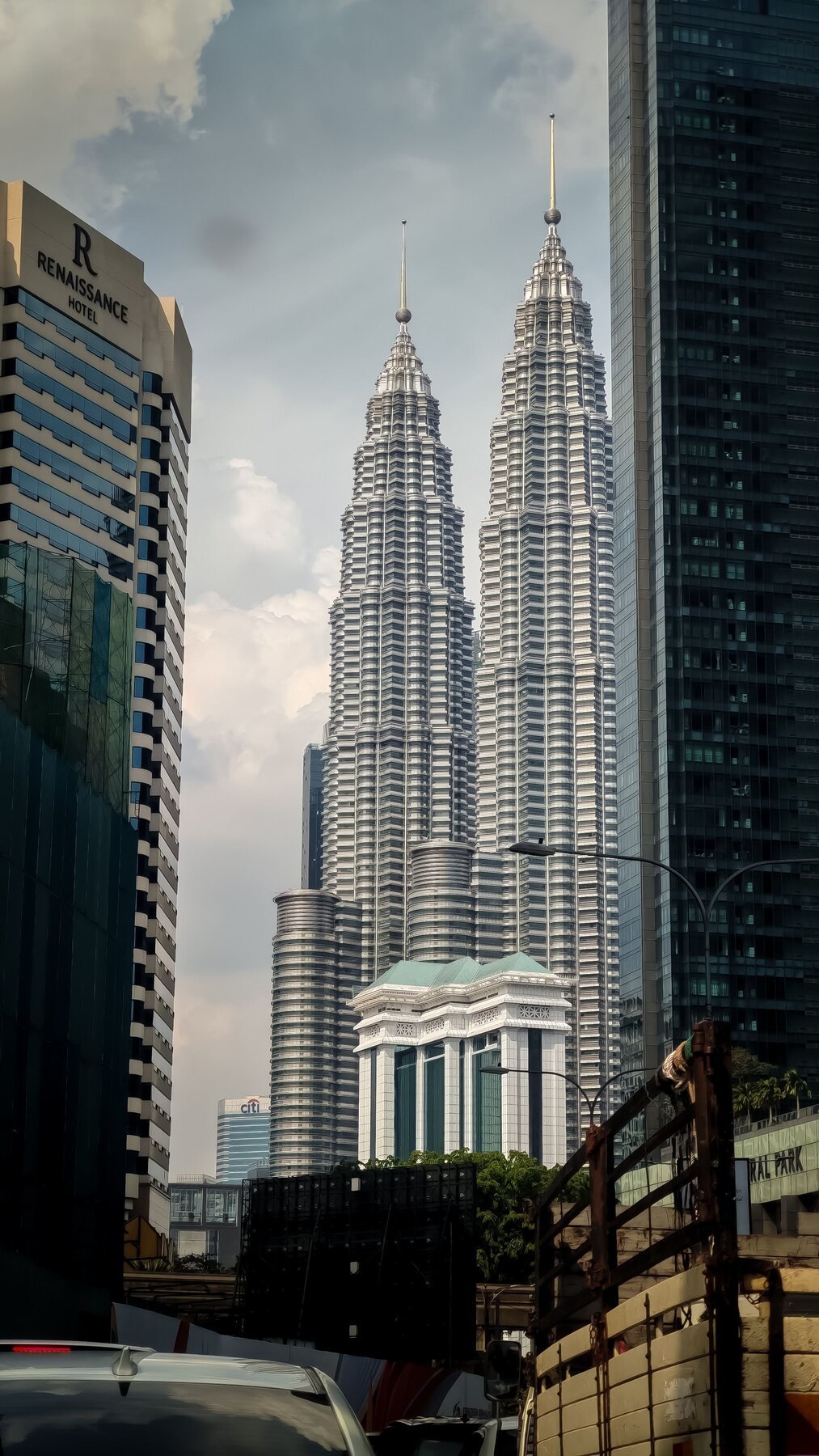
Begin around Merdeka Square, the Sultan Abdul Samad Building, and Masjid Jamek. Continue to Central Market and Petaling Street, entering places of worship only when visitors are welcome. Later, explore the Petronas Towers area and KLCC Park. Reserve timed observation-deck tickets through the official site.
Day 3: Batu Caves and Kampung Baru
Travel to Batu Caves early, before the steps become hottest. Cover shoulders and knees in temple areas, secure loose food, and do not feed or approach macaques. Back in the city, take a break before exploring Kampung Baru for Malay cooking.
Day 4: Museums, Markets, or Putrajaya
Choose the Islamic Arts Museum and nearby gardens, or visit Brickfields for temples and South Indian food. Putrajaya is a possible half-day excursion for planned architecture. This flexible day can also absorb anything missed after a late arrival.
Days 5–8: Penang and George Town
Day 5: Travel from Kuala Lumpur to Penang
The electric train from KL Sentral to Butterworth is comfortable and avoids airport transfers. Continue by passenger ferry when operating, or cross the bridge by road. Long-distance buses are another practical option, though traffic is less predictable. Book through the operator or an established platform and confirm the departure station.
Day 6: George Town Heritage
Explore the UNESCO-listed core on foot: clan houses, shophouses, places of worship, and street art sit close together. Choose one or two interiors rather than rushing past every landmark. Try char kway teow, assam laksa, nasi kandar, and cendol across the day, confirming stall hours locally.
Day 7: Penang Hill and Kek Lok Si
Start early at Penang Hill for cooler air and the best chance of a clear view. Check the funicular’s current operating status before leaving. Continue to Kek Lok Si, allowing time for respectful visits rather than treating the temple as a photo stop. Rain can make slopes and steps slippery. Return to George Town for a slower evening around Armenian Street or the waterfront.
Day 8: Choose Coast, Nature, or More George Town
Penang National Park suits active travellers, but check trail access, boat arrangements, and beach conditions that day. Alternatively, visit the Tropical Spice Garden, more museums, or a cooking class. Batu Ferringhi offers resorts and a beach, although sea conditions vary.
Days 9–13: Langkawi
Day 9: Transfer to Langkawi
A short flight from Penang is usually the most dependable link. Direct passenger ferries have changed over time, so never assume a sailing exists without confirmation. Rent a car only if the driver is licensed, insured, and comfortable with left-side traffic; otherwise, use taxis or ride-hailing. Leave the afternoon uncommitted.
Day 10: Cable Car and Northwest Langkawi
Visit the cable car and Sky Bridge early, checking wind, maintenance, and closure information officially. Cloud can obscure the view even when it operates. Add the northwest coast or a waterfall only if conditions suit; waterfall flow changes by season, and wet rocks require care.
Day 11: Mangroves and Geology
Join a small-group mangrove excursion with a guide who explains Kilim Karst Geoforest Park and avoids wildlife feeding. Ask about life jackets, capacity, route, and cancellation terms. Responsible operators keep distance from eagles and monkeys. Accept changes when authorities or operators judge conditions unsafe.
Day 12: Beach Day with a Weather Buffer
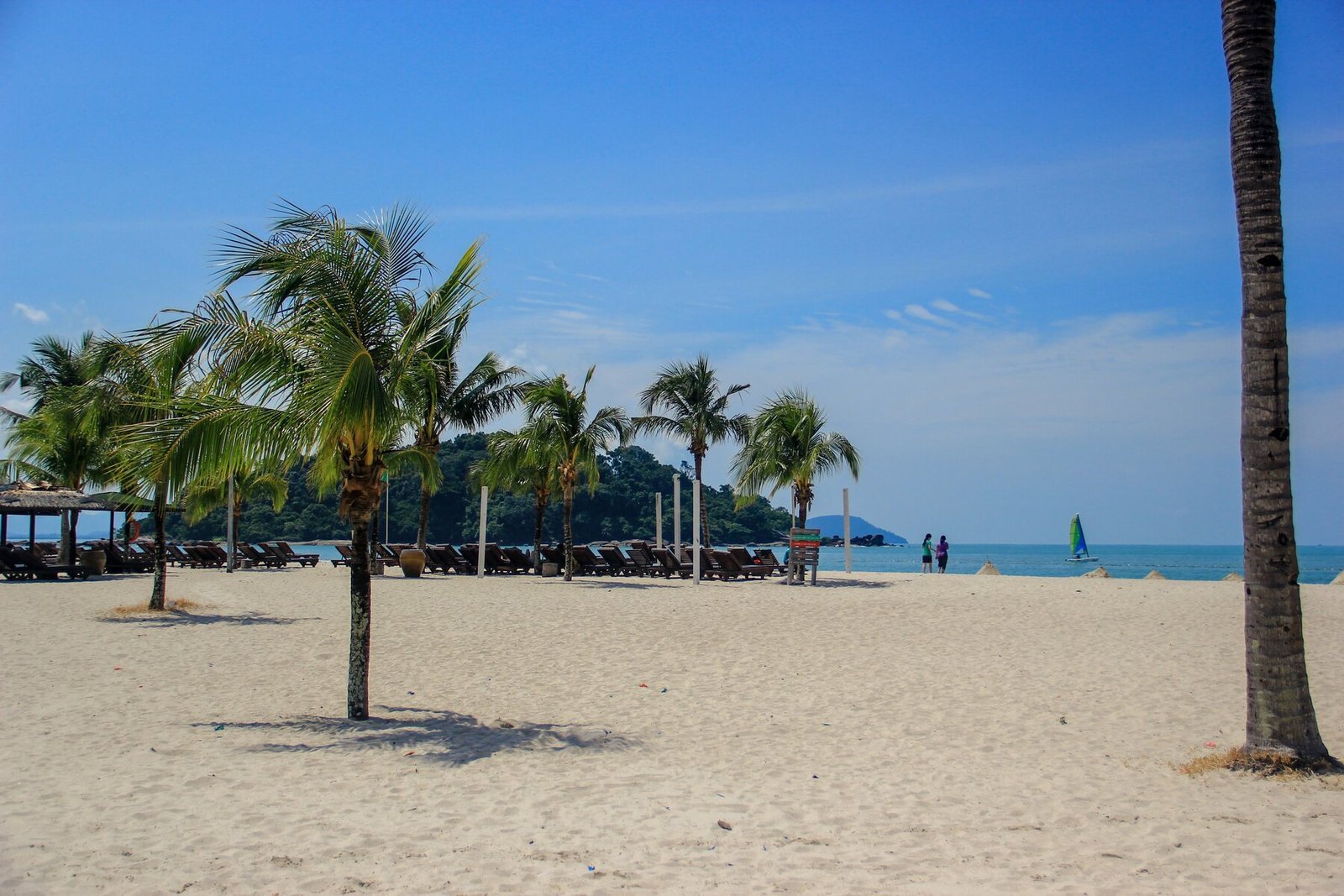
Use this as the main beach day or move the mangrove trip here after disruption. Pantai Cenang has the widest choice of restaurants and activities; quieter stretches require transport. Follow flags and jellyfish notices, and use water-sports providers with suitable safety equipment.
Day 13: Free Day or Return to Kuala Lumpur
Travellers departing internationally from Langkawi can keep a final free day for the beach, a spa, or an easy island drive. Those flying home from Kuala Lumpur should travel back today and sleep near the correct departure point. Kuala Lumpur International Airport is well outside the centre, and terminals or satellite facilities can change by airline and flight. Check the booking and airport information rather than assuming “Kuala Lumpur” means the same terminal.
Day 14: Departure
Leave adequate time for traffic, bag drop, security, and any terminal transfer. If Langkawi is the international starting point, verify whether baggage is checked through on a single ticket. With separate bookings, allow a much larger margin or an overnight in Kuala Lumpur.
Where to Stay in Each Stop
Kuala Lumpur: KLCC works for skyline sights, Bukit Bintang for shopping and late dining, and Chinatown for character and rail links. Penang: George Town is best for heritage and food on foot; Batu Ferringhi favours resorts. Langkawi: Pantai Cenang is convenient, Pantai Tengah is calmer, and the north coast suits resort stays with a car or taxi budget.
Weather, Seasons, and Disruptions
Malaysia is hot and humid year-round, with rain possible in any month. Kuala Lumpur often receives intense afternoon downpours. Penang and Langkawi generally have a wetter stretch later in the year, but patterns do not guarantee a dry day. Lightning, wind, haze, and rough water can disrupt attractions and transport. Keep one movable island day and check official weather and operator notices.
During heavy rain, replace exposed viewpoints with museums, galleries, cafés, or a cooking class. Never pressure a boat crew to depart in poor conditions. Travel insurance should cover medical care, delays, cancellations, and planned activities; read exclusions rather than assuming every outdoor excursion is included.
Money, Payments, Connectivity, and Budget
Budget for accommodation, intercity transport, local rides, meals, admissions, tours, insurance, and disruption. Beachfront Langkawi rooms and private excursions can raise the average quickly. Compare train, bus, and flight costs including transfers and baggage.
Cards are common in cities and larger businesses, but hawker stalls and small shops may prefer cash. Use bank-affiliated ATMs, decline unnecessary currency conversion when your bank offers a better rate, and keep a second payment method separate. An eSIM is convenient with a compatible phone; local prepaid SIMs may offer better value. Download maps and bookings offline.
Food, Culture, and Responsible Etiquette
Malaysia’s food draws from Malay, Chinese, Indian, Peranakan, and regional traditions. Busy stalls with steady turnover are sensible; ask before ordering if allergies or dietary rules are critical, since sauces and stocks may contain unexpected ingredients. Drink treated water.
Dress modestly at religious sites, remove shoes when requested, and ask before photographing people. On islands, refuse wildlife feeding, do not stand on coral, carry reusable items, and take rubbish back when bins are absent. Support responsible local restaurants and guides.
Alternative Two-Week Routes
Add Melaka: take two nights from Kuala Lumpur or Langkawi and travel south by bus. Trading history, Peranakan architecture, and the riverside core reward an overnight stay, though the route then backtracks.
Add the Cameron Highlands: replace two Langkawi nights with a stop between Kuala Lumpur and Penang. Buses serve the highlands, but winding roads, weekend traffic, and rain can affect plans.
Consider the east coast by season: substitute the Perhentians, Redang, or Tioman only when access and marine conditions suit. During the northeast monsoon, resorts, ferries, and activities may reduce or cease operations. Verify seasonal arrangements directly.
Frequently Asked Questions
Is 14 days enough for Kuala Lumpur, Penang, and Langkawi?
Yes. Four nights in Kuala Lumpur, four in Penang, and five in Langkawi create a balanced first trip. The route has only two main intercity transfers and enough flexibility for a delayed arrival or wet island day.
Should the route run in the opposite direction?
It can. Start in Langkawi and finish in Kuala Lumpur if international fares, seasonal weather, or flight connections are better. Keep the same number of nights and protect the long-haul departure with a buffer.
Do visitors need a rental car?
No. Kuala Lumpur and central George Town are easier without one. A car is useful on Langkawi for independent exploration, but taxis, ride-hailing, and tours are workable. Confirm licence and insurance requirements before renting.
What should be booked first?
Secure international flights and key accommodation, then the Penang transfer and Langkawi flight. Reserve limited-capacity attractions or tours after the structure is firm. Recheck entry rules, transport schedules, closures, and weather notices shortly before travel.
Conclusion
Kuala Lumpur, Penang, and Langkawi fit naturally into two weeks: city history leads into one of Southeast Asia’s strongest food destinations, then a longer island stay provides breathing room. Use rail or bus where it makes geographic sense, fly the uncertain sea link, and protect the flight home with a sensible buffer. If the itinerary feels crowded after adding an alternative, remove a stop rather than compressing all three core destinations.
Related Travel Guides
Keep planning with these guides: Singapore Travel Cost, Where to Stay in Singapore, Vietnam Travel Guide.


[…] planning with these guides: Vietnam Travel Guide, 2-Week Malaysia Itinerary, Bali Travel […]
[…] planning with these guides: Where to Stay in Singapore, 2-Week Malaysia Itinerary, Sri Lanka Travel […]