
A realistic Singapore travel cost is shaped most by accommodation, followed by dining style and paid attractions. For planning, a careful budget traveller might allow S$90–140 per person per day, a mid-range visitor S$180–300, and someone seeking a comfortable hotel-led trip S$350–550+. These ranges assume two people share a room; solo visitors usually spend more per person, while families can sometimes lower costs through shared rooms. Prices change with demand, exchange rates, taxes, and events, so treat every figure as a framework and check current official fares, attraction pages, and final property prices before booking.
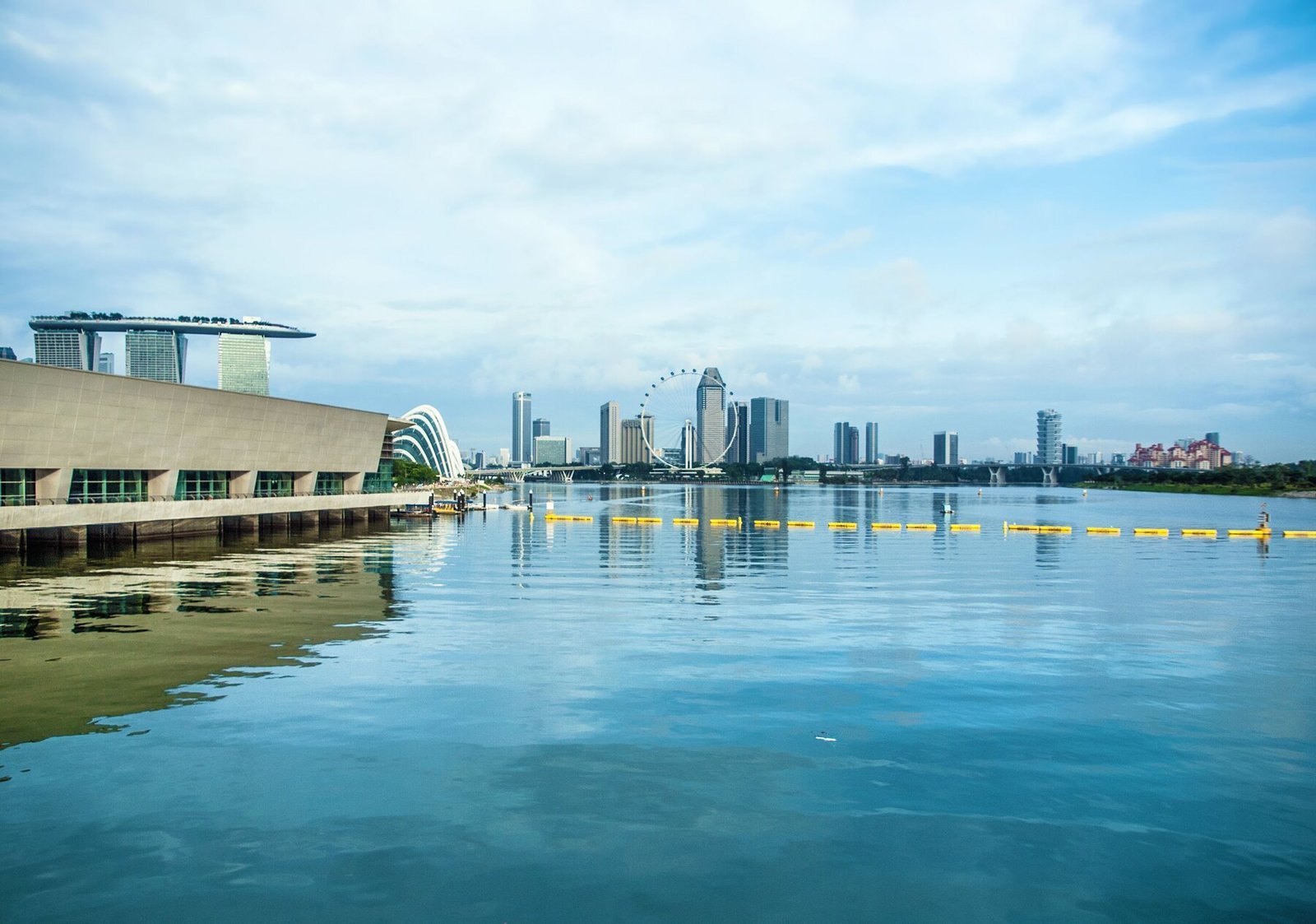
Singapore travel cost by budget style
The daily bands below cover accommodation, meals, local transport, and a reasonable sightseeing allowance. They exclude international flights, travel insurance, shopping, and major nights out. A low-spend day in a neighbourhood can balance a costly theme park or rooftop-bar day, so plan across the whole visit rather than forcing every day into one limit.
- Budget: S$90–140 per person daily. This usually means a hostel or basic shared room, hawker-centre meals, MRT and buses, free neighbourhood walks, and selective paid attractions. A private hotel room may move a solo traveller beyond this band.
- Mid-range: S$180–300 per person daily. Expect a modest hotel shared by two, hawker meals mixed with casual restaurants, public transport plus occasional taxis, and one or two paid activities on many days.
- Comfortable: S$350–550+ per person daily. This supports a better-located or higher-grade hotel, frequent restaurant meals, more taxis, cocktails, and a fuller attraction schedule. Luxury hotels and destination dining can lift the total sharply.
Add a contingency of roughly 10–15% for changed plans, card charges, weather-driven taxis, or a room rate that rises before booking. Singapore can feel expensive, but its reliable public transport and broad range of food prices make daily spending unusually controllable once accommodation is fixed.
Accommodation: the largest variable
Hostel beds and capsule-style stays form the lowest tier, while simple private rooms often cost substantially more than comparable rooms elsewhere in Southeast Asia. A planning range of about S$45–90 for a dorm bed or basic capsule, S$130–230 for a straightforward double room, and S$250–450+ for a more comfortable or central hotel is sensible, but dates matter enormously. Room size can be compact even at respectable prices.
Compare the final total, not the first nightly rate. Check whether taxes and service charges are included, whether breakfast is worthwhile, and whether the room has a window. A cheaper property far from an MRT station can add time and taxi spending. Areas just outside the core, but close to a station, often provide a better balance than either Marina Bay pricing or a poorly connected bargain.
Demand rises around major conventions, concerts, school holidays, public holidays, and marquee sporting events. Weekend patterns vary by district and hotel type. Flexible travellers should compare several date combinations, while fixed-date visitors benefit from reserving refundable rooms early and checking the rate again before the cancellation deadline.
Hawker food, cafés, and restaurants
Food is the easiest category to tailor. A hawker-centre breakfast or lunch may fit roughly within S$4–10, depending on the dish and drink, while an air-conditioned casual restaurant meal could sit around S$15–35 before extras. Destination restaurants, hotel buffets, imported wine, and cocktails occupy a different bracket. A practical daily food allowance is S$25–40 for hawker-led eating, S$55–100 for a mixture, or S$120+ for frequent full-service dining.
Hawker centres are not merely a compromise: they are central to Singapore’s food culture. Busy stalls may specialise in one dish, and shared tables are normal. Return trays where required, keep tissues or a small reusable wipe handy, and avoid assuming that every famous stall is the best fit for a tight schedule. Queuing for an hour has a cost too.
Restaurant bills may include service charge and prevailing tax, sometimes displayed only in the final calculation or indicated by menu notation. Read the menu footer before ordering. Tap water policies vary, and bottled water, coffee, desserts, and alcohol can turn a reasonable meal into an expensive one.
MRT, buses, taxis, and ride-hailing
The MRT and public buses handle most visitor journeys efficiently. Short rides generally cost only a few Singapore dollars, making a daily public-transport allowance of roughly S$6–12 workable for typical sightseeing. Contactless bank cards can be convenient, but foreign cards may attract administrative or bank fees. Tourist passes only save money when the planned number of rides justifies their price; calculate likely trips rather than buying one automatically.
Taxis and ride-hailing services are useful for late returns, heavy rain, luggage, and groups. Fares depend on distance, time, booking method, demand, tolls, and surcharges, so fixed examples age quickly. Check the app estimate or official fare information at the time. A family of four may find a car competitive for some point-to-point journeys, but public transport remains the stronger default.

Attractions, nightlife, and free days
Many rewarding experiences cost little or nothing: walking through Chinatown, Kampong Gelam, Little India, the Civic District, or the Botanic Gardens; viewing the skyline; and exploring public sections of major garden developments. Museums, observation decks, wildlife parks, exhibitions, and theme parks can each add S$20–100 or more per person. Choose priorities before arrival and reserve timed tickets through official channels where required.
Nightlife deserves its own line in the budget. A couple of drinks at a polished bar can rival the cost of a full hawker-food day, and cover charges or late-night transport add more. Travellers who value nightlife should ring-fence that money instead of assuming it fits inside the food allowance. Alcohol-free evenings, waterfront walks, and evening light displays help alternate expensive and inexpensive nights.
Airport transfers and arrival costs
Changi Airport connects to the city by MRT, public bus, taxi, and private transfer. Rail is usually the economical choice when operating hours and luggage permit. A taxi or ride-hail costs more but may be sensible for several people or an arrival after public transport winds down. Airport surcharges, peak periods, tolls, and hotel location affect the final fare, so consult current official transport guidance.
Set aside an arrival buffer for a meal, mobile data, a transit payment method, and possible early check-in or luggage storage. Airport shops and attractions can also become an unplanned spending category. Buying essentials after reaching a neighbourhood supermarket may cost less, provided opening hours suit the itinerary.
Taxes, cards, cash, and tipping
Singapore is highly card-friendly, yet some hawker stalls and small businesses prefer cash or local payment systems. Carry a modest amount of Singapore dollars and small notes rather than relying on a single card. Check foreign-transaction and ATM fees before departure, and decline dynamic currency conversion if paying in your home currency produces a worse rate.
Goods and services tax and, in many full-service venues, a service charge can make the amount paid higher than the headline menu price. Hotel booking displays also differ in how clearly they show mandatory charges. Review the checkout screen and written inclusions before committing. Tipping is not generally expected as a fixed percentage, particularly when service charge is included, though visitors may round up or recognise exceptional personal service.
Sample 3-, 5-, and 7-day budgets
These totals are per person and assume two people share accommodation. They multiply the daily planning bands, so they include lodging, ordinary meals, local travel, and a balanced attraction allowance. They exclude flights, insurance, shopping, and exceptional dining or nightlife.
| Trip length | Budget | Mid-range | Comfortable |
|---|---|---|---|
| 3 days | S$270–420 | S$540–900 | S$1,050–1,650+ |
| 5 days | S$450–700 | S$900–1,500 | S$1,750–2,750+ |
| 7 days | S$630–980 | S$1,260–2,100 | S$2,450–3,850+ |
Solo travellers should price their actual room first rather than simply adding a percentage. Couples benefit most from sharing accommodation and taxis. Families need to confirm occupancy rules: two adults and two children may require a larger room or two rooms, while child attraction fares and shared transport can lower other per-person costs.
Saving strategies and false economies
Book the room around transport access, eat at hawker centres for at least one meal daily, group sights by neighbourhood, and alternate ticket-heavy days with free ones. Refill a bottle where safe and permitted, use public transport outside late hours, and compare official attraction bundles only against places genuinely on the itinerary. A longer stay can reduce the pressure to take taxis between distant sights.
Some savings backfire. A remote room can create daily transport costs. The cheapest unlicensed accommodation may breach rules or offer poor recourse. Skipping travel insurance risks a large loss, while an excessively tight connection can lead to a taxi or missed ticket. Likewise, crossing into Malaysia solely for a cheaper night rarely makes sense when border time and transport are counted.
FAQ
Is Singapore expensive for tourists?
Accommodation, alcohol, and headline attractions can be expensive, but hawker food and public transport keep essential daily costs manageable. The city works well for travellers who choose one or two premium experiences and keep the rest simple.
How much cash should visitors carry?
There is no universal amount. Carry enough for a day of small meals and incidental purchases, then replenish from secure bank-affiliated ATMs if needed. Keep a separate card as backup and check all issuer fees.
When is Singapore cheaper?
There is no dependable nationwide bargain season because business events, holidays, concerts, and regional travel demand overlap throughout the year. Weather is warm year-round, with rain possible in any month. Compare live room rates across acceptable dates rather than relying on a simple seasonal label.
Conclusion
The soundest plan starts with a confirmed room price, adds a realistic food and transport allowance, then budgets attractions and nightlife separately. Budget travellers can spend selectively without missing Singapore’s defining neighbourhoods and food culture; mid-range visitors gain convenience; comfortable travellers buy location, space, and flexibility. Keep a contingency, distinguish must-do tickets from optional ones, and verify current prices on official transport and attraction sites and directly with the property before payment.
Related Travel Guides
Keep planning with these guides: Where to Stay in Singapore, 2-Week Malaysia Itinerary, Sri Lanka Travel Cost.
[…] planning with these guides: Singapore Travel Cost, Where to Stay in Singapore, Vietnam Travel […]