
Angkor Wat may bring travelers to Cambodia, but the city and its surrounding countryside reward anyone who stays longer. The best things to do in siem reap beyond the temples include meeting landmine-detection rats, watching Cambodian circus arts, exploring local food, cycling through rice-growing villages, and learning from museums and craft workshops. These experiences can support local people when chosen carefully. This guide explains what is worthwhile, how to visit responsibly, what costs to expect in broad terms, and how to build a balanced itinerary without treating Siem Reap as merely a gateway to Angkor.
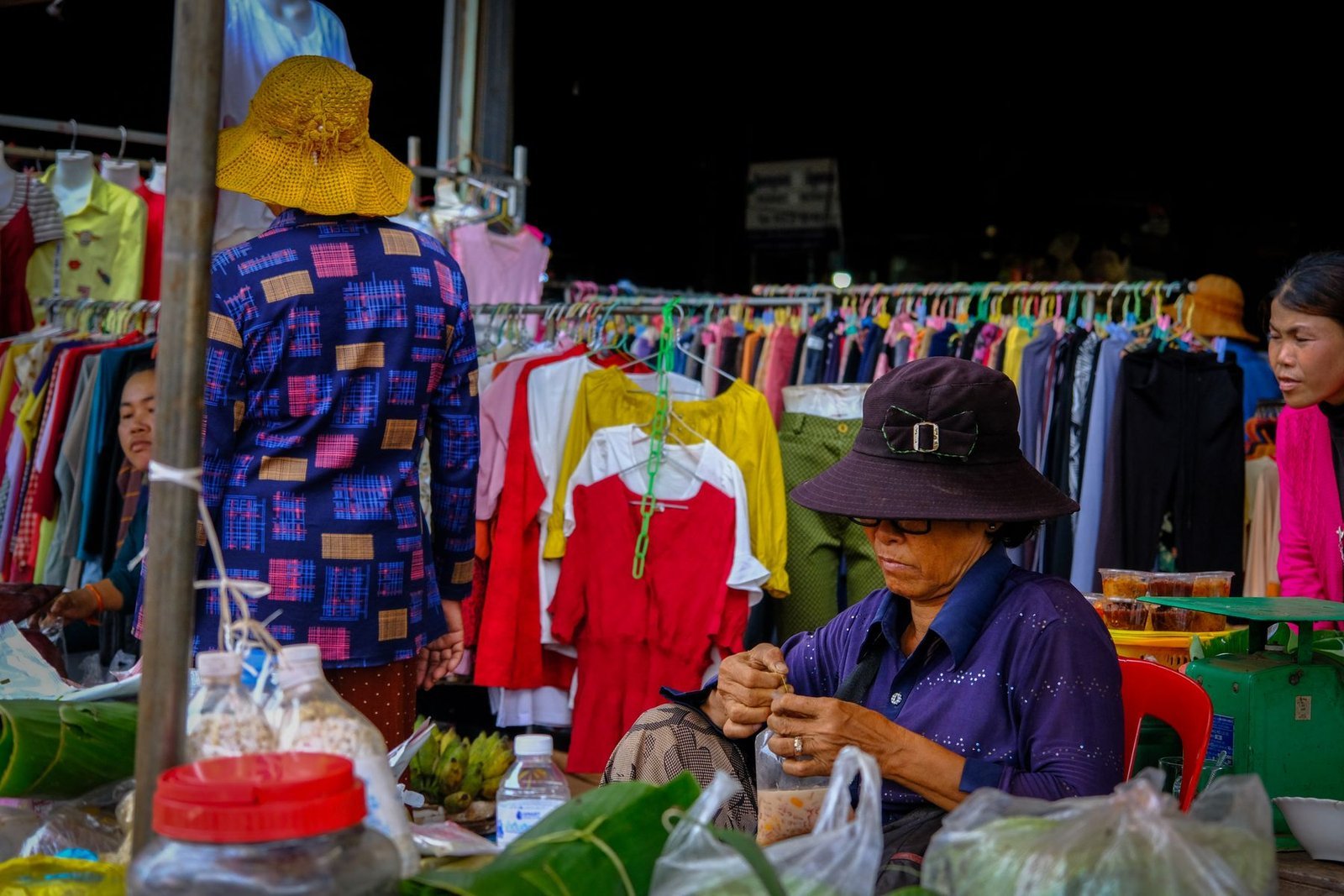
Browse markets with purpose
Markets offer an easy introduction to everyday ingredients, snacks, household goods, and small-scale commerce. The Old Market is central and convenient, though its souvenir sections are firmly oriented toward visitors. For a more locally focused experience, visit Phsar Leu during the morning, when produce, fish, herbs, clothing, and practical goods fill its busy aisles. Go with patience, keep bags close, and ask before photographing vendors or their products.
Shopping can have a positive impact when money reaches makers. Look for stores and social enterprises that identify their artisans, materials, and production methods clearly. Cambodian-made textiles, pepper, ceramics, recycled products, and palm-leaf goods make useful purchases. Avoid wildlife products, antiquities of uncertain origin, and items presented as ancient. Bargaining is normal in some stalls, but small savings may matter more to a vendor than to a traveler; keep the exchange friendly and proportionate.
Choose museums that add context
The Angkor National Museum provides a structured overview of Khmer history, religion, sculpture, and architecture. It is especially useful before a temple visit, but its displays also help explain imagery encountered throughout Cambodia. Allow roughly two hours if you enjoy reading labels. Audio guides or guided visits may add value, depending on availability and your preferred pace.
For modern history, consider the Cambodia Landmine Museum, located outside central Siem Reap. Its exhibits address war, unexploded ordnance, and demining. The subject is difficult, yet important for understanding present-day Cambodia. Confirm current opening arrangements and transport before leaving, and approach personal stories respectfully. A museum visit works best as education, not as a backdrop for performative photographs.
See APOPO’s landmine-detection work
At the APOPO Visitor Center, guides explain how trained African giant pouched rats help detect landmines and tuberculosis. Demonstrations show the animals working with handlers, while exhibits describe Cambodia’s contamination problem and clearance process. The center offers an accessible way to learn about a serious issue without turning it into spectacle.
Reserve ahead when possible because demonstration groups can be limited. Fees support the organization’s work, and visits generally take about an hour. Follow staff instructions, do not touch animals unless explicitly invited, and ask thoughtful questions about training, welfare, and field operations. APOPO is close enough to combine with another city activity rather than requiring a full day.
Watch Phare, the Cambodian Circus
Phare combines acrobatics, theater, live music, dance, and storytelling in an energetic evening performance. It is not an animal circus. The shows are created and performed by Cambodian artists, and ticket income helps sustain arts education and employment linked to the wider Phare organization. Stories may address family, society, history, or contemporary life, so the experience offers more than technical spectacle.
Book earlier in busy periods and arrive with time to find your seat. Different seating categories are usually available, but every section sees the compact stage well. Dinner or refreshments may be offered on site; check current options rather than assuming they are included. Phare is a strong choice for a night when Pub Street does not appeal.
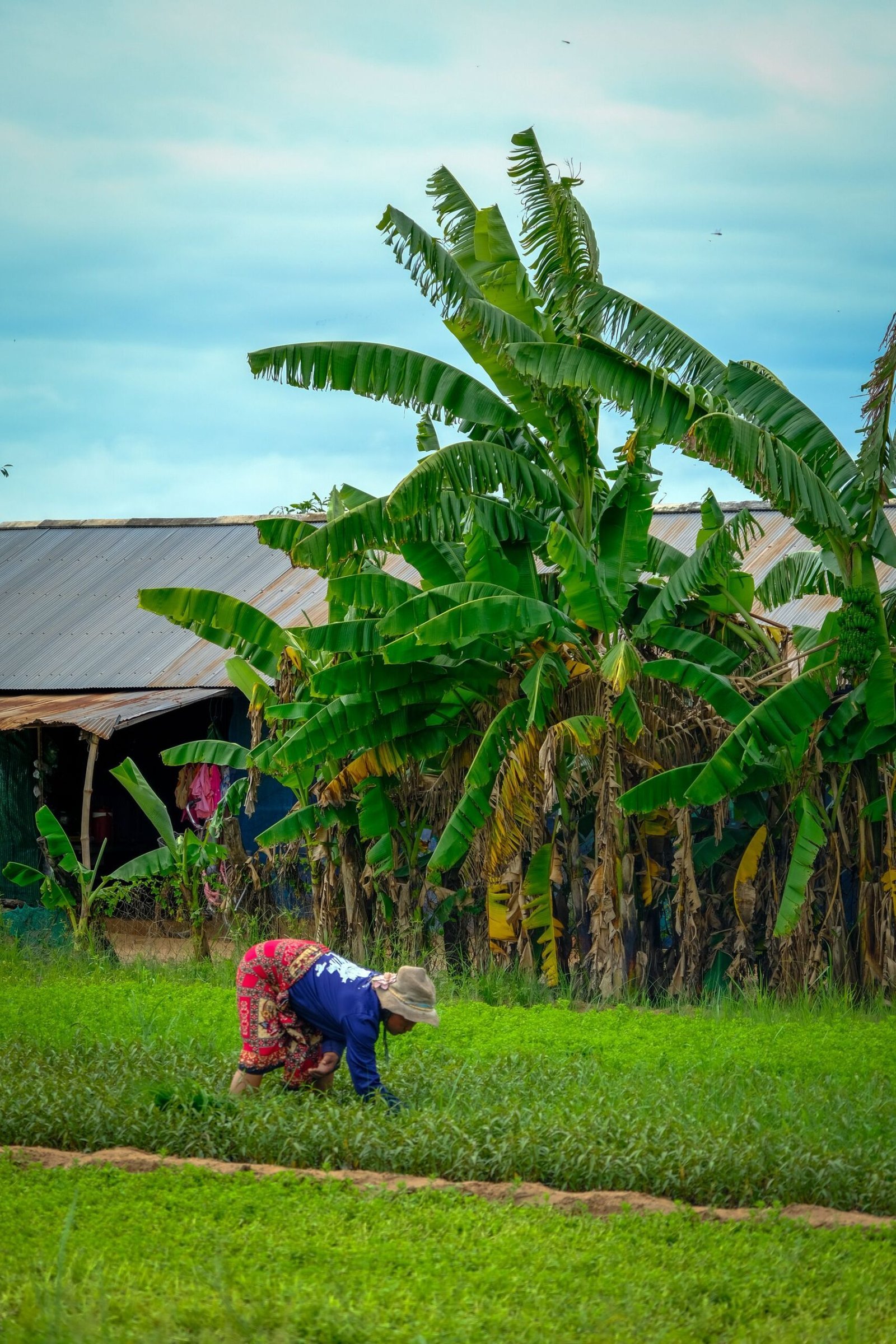
Spend time in the countryside
Beyond the urban edge, roads pass rice fields, lotus ponds, pagodas, farms, and villages. A guided countryside trip can explain seasonal agriculture, irrigation, family businesses, and religious customs that would otherwise be easy to misread. Choose a guide who lives locally, uses established routes, asks permission before entering private land, and keeps group sizes modest.
Avoid tours that stage poverty, distribute gifts impulsively, or encourage visits to schools during lessons. Donations are usually more effective when coordinated with a reputable local organization. Dress modestly around pagodas, ask before taking portraits, and never photograph children without a guardian’s informed permission. Sunrise and late afternoon bring cooler temperatures, softer light, and less demanding riding conditions.
Cycle or walk at a humane pace
Cycling provides flexibility on quiet rural lanes, but traffic near town can be unpredictable. Rent a well-maintained bicycle with working brakes, suitable tires, lights, and a helmet. Carry water, sun protection, and offline navigation, and avoid riding after dark on unlit roads. A guided ride is sensible for travelers uncomfortable with local traffic or unsure which tracks remain passable after rain.
Walking tours in town can focus on architecture, riverfront life, food, or history. The compact center is manageable on foot, although heat and uneven pavements slow progress. Start early, take shaded breaks, and treat crossings cautiously. For either activity, choose operators that describe safety procedures and community relationships rather than promising access to people’s private lives.
Visit Tonle Sap responsibly
Tonle Sap is Southeast Asia’s largest freshwater lake and a crucial ecosystem whose water level changes dramatically with the seasons. Trips commonly visit floating or stilted communities, but their quality and ethics vary. Some itineraries create uncomfortable encounters, pressure visitors into purchases or donations, or provide little benefit to residents.
Research operators before booking. Favor small-group trips led by trained local guides, transparent pricing, environmental interpretation, and clear evidence of community partnerships. Ask where fees go, whether residents consent to stops, and how waste is managed. Do not enter homes without genuine invitation, fly drones over communities, or treat schools and working boats as attractions.
Kampong Phluk is widely visited and changes character as water rises and falls; boat access and scenery depend on the season. More distant options require additional travel time and may cost more. Water conditions, road access, and sunset visibility are variable, so confirm the day’s plan. A responsible lake visit is about ecology and livelihoods, not collecting intrusive images.
Eat beyond the busiest tourist streets
Siem Reap is a good place to explore Cambodian cooking, from breakfast noodles and rice dishes to soups, grilled meats, fermented flavors, herbs, and freshwater fish. Seek restaurants that credit Cambodian cooks and use local ingredients. Social-enterprise restaurants can be worthwhile, but read their mission and impact information instead of relying on a label alone.
A food tour helps travelers identify dishes and navigate markets, especially when guides explain hygiene, sourcing, and cultural context. Mention allergies clearly, including fish sauce, shrimp paste, peanuts, and other ingredients that may be less visible. Drink treated water and choose stalls with active turnover and food cooked thoroughly in front of you. Vegetarian meals are available, though precise explanations may be needed.
Cooking classes range from polished kitchens to market-linked sessions. Good classes keep groups small, accommodate dietary needs, and teach techniques participants can reproduce at home. Ask whether market purchases are included and whether staff and suppliers are paid fairly.
Make something in a local workshop
Hands-on workshops may cover ceramics, natural dyeing, weaving, leatherwork, painting, or Cambodian cooking. They create a slower exchange than souvenir shopping and can reveal how much labor sits behind a finished object. Look for programs led by practicing makers, with clear information about instruction, materials, and how revenue is shared.
Quality workshops explain cultural meanings without claiming that a brief class makes anyone an expert. Ask whether completed pieces can be carried immediately; ceramics may need firing and collection later. If shipping is offered, confirm packaging and delivery terms. Artisans Angkor and independent studios can be starting points, but opening hours and visitor programs change, so verify directly.
Rest with a massage or spa treatment
After cycling or walking, a massage can be practical rather than indulgent. Siem Reap has simple massage shops, hotel spas, and training-focused social enterprises. Choose a clean, professional business with stated prices, trained therapists, and respectful working conditions. Reviews can help, but recent information matters more than an old rating.
Tell the therapist about injuries, pregnancy, allergies, or pressure preferences before treatment. A legitimate venue will respect boundaries and allow you to stop. Tips are appreciated where service is good but should not substitute for fair wages. Avoid businesses whose marketing sexualizes workers or whose employment claims cannot be explained.
Plan by season, transport, and budget
The drier months generally offer easier road travel and lower humidity, while the wetter season brings greener landscapes, fuller waterways, and brief or prolonged downpours. The hottest period can make midday activity exhausting. Weather patterns vary, so check a current forecast and build rest into the afternoon. During rain, museums, workshops, cafés, and spa appointments provide flexible alternatives.
Tuk-tuks are convenient for town and nearby sights; agree on the route, total fare, waiting time, and return arrangement before departure. Ride-hailing apps can simplify short urban trips where service operates. Hire a car or van for distant sites if comfort, luggage, weather, or mobility makes it useful. Scooters carry meaningful road risk and may not be covered by insurance without the correct license.
Costs range from free market walks to higher-priced performances, guided excursions, and private transport. Prices and exchange rates change, so use categories rather than fixed assumptions: set aside a modest daily amount for food and local rides, then add separate funds for tickets, workshops, and longer tours. Confirm what is included, carry small notes, and keep an emergency reserve. Paying slightly more for safe equipment, skilled guides, and ethical operations is usually money well spent.
A practical two-day plan
On day one, start at Phsar Leu with a guide or a self-directed breakfast visit, then spend late morning at the Angkor National Museum or APOPO. Rest during the hottest hours. Join a food tour or cooking class in late afternoon, followed by Phare in the evening.
On day two, take an early guided cycle through the countryside and visit a maker’s workshop after lunch. Choose either a carefully vetted Tonle Sap excursion or additional time in town for a museum and spa; trying to do both may feel rushed. This schedule leaves room for weather, conversation, and unplanned stops. Add a third day if the lake, a longer rural tour, or multiple creative workshops are priorities.
Frequently asked questions
How many non-Angkor days should I allow?
Two full days cover several city activities and one rural experience without excessive rushing. Three days allow a lake trip, workshop, performance, and meaningful downtime. Add more if you prefer slow travel or want to support several locally run projects.
Is Siem Reap easy to explore without a tour?
Central markets, museums, restaurants, and spas are straightforward independently. Guides add the most value for food, countryside, and lake visits, where language, context, access, and ethical choices matter. Verify credentials, group size, inclusions, and cancellation terms.
What should I wear away from the temples?
Light, breathable clothing suits the climate. Carry shoulder and knee coverage for pagodas or conservative rural settings, plus rain protection in wet months. Comfortable closed shoes help on cycling trips and uneven paths.
Are these activities suitable for families?
Many are, particularly Phare, APOPO, cooking classes, and short workshops. Check age limits, heat exposure, road safety, boat conditions, and performance themes. Build shorter days for children and avoid wildlife attractions that allow handling or forced performances.
Conclusion
The most rewarding things to do in Siem Reap beyond Angkor connect visitors with Cambodian art, food, history, landscapes, and present-day expertise. Markets and museums build context; APOPO and Phare show skilled work with social purpose; workshops, rural rides, and responsible lake tours direct attention beyond monuments. Choose providers carefully, ask where money goes, respect privacy, and leave breathing room in the schedule. Siem Reap deserves time as a living city, not just a place to sleep between temple visits.
Related Travel Guides
Keep planning with these guides: Vietnam Travel Guide, 2-Week Malaysia Itinerary, Bali Travel Guide.
Official sources
Check current conditions with UNESCO: Angkor before you travel.
[…] planning with these guides: Vietnam Travel Guide, Things to Do in Siem Reap, 2-Week Malaysia […]
[…] planning with these guides: Things to Do in Siem Reap, Bali Travel Guide, 2-Week Malaysia […]