
Deciding where to stay in Singapore is mainly a question of convenience, atmosphere and room value. The city’s efficient MRT network makes most central districts practical, but the experience changes considerably between a Marina Bay tower, a Chinatown shophouse hotel and a quiet eastern base. First-time visitors usually benefit from staying near an interchange or on a direct line to their priorities. Families may value space and an easy return after sightseeing; couples may prefer river walks or polished dining; solo travellers often prioritise transport and active streets. Compare the whole stay, not just the nightly rate.
Where to Stay in Singapore by Area and Travel Style
For a short first visit, City Hall, Bugis, Chinatown and Marina Bay minimise travel. Orchard works for shopping, while Little India and Kampong Gelam often provide more character at a lower room category. Clarke Quay suits nightlife, Tiong Bahru favours slower days, and Sentosa is best when resort attractions lead the trip. Airport and east-coast options make sense for stopovers or repeat visitors.
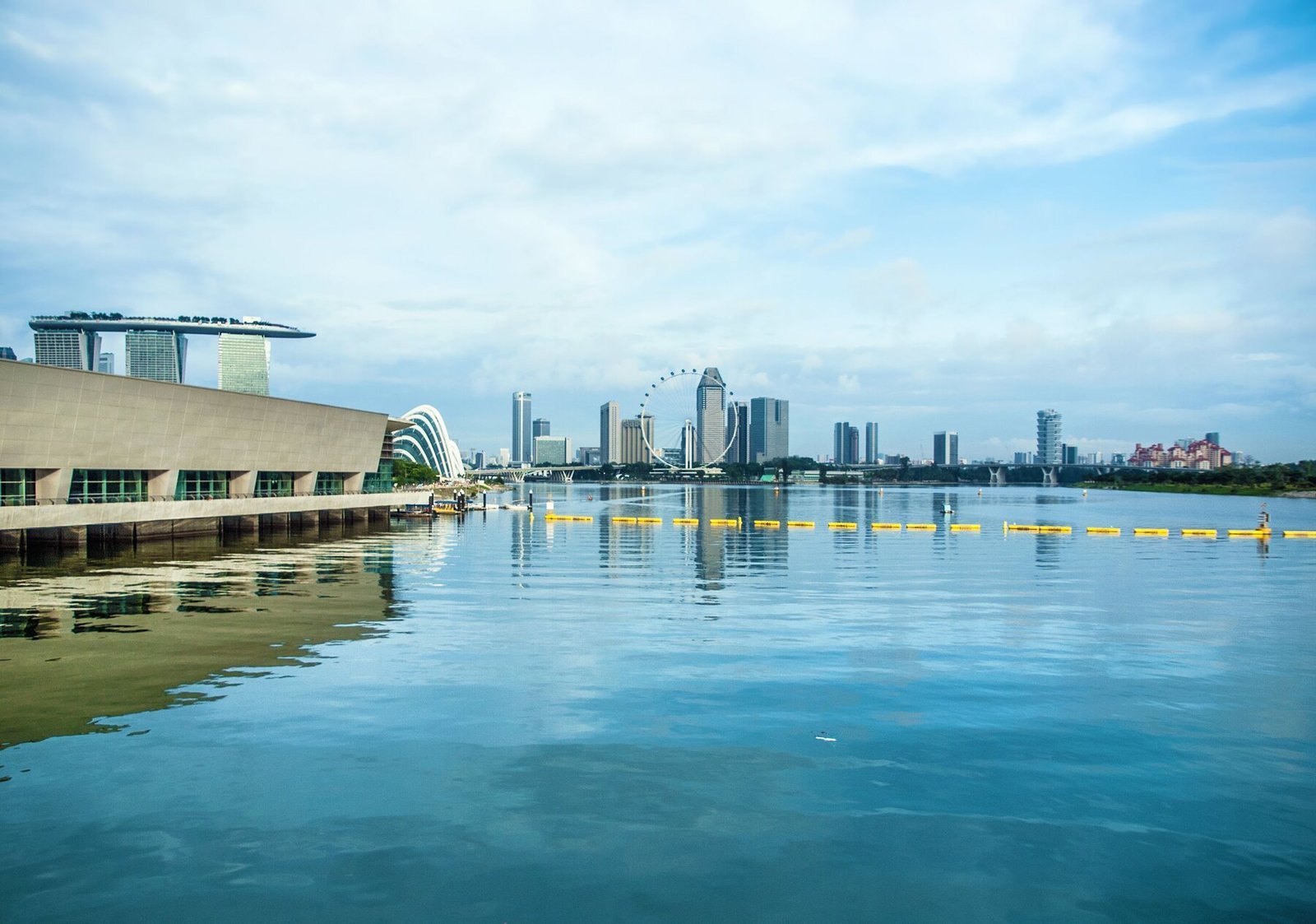
Marina Bay: Landmark Views and Business Convenience
Marina Bay places the waterfront, Gardens by the Bay and the business district close at hand. Luxury hotels dominate, with pools, business facilities and skyline views. This is a strong choice for a celebration, a couple’s break or meetings downtown. Families appreciate nearby attractions, though casual dining requires more planning than in Bugis or Chinatown.
The tradeoff is cost: even an expensive room may be compact, and a bay view or breakfast can lift the total sharply. Check the tower, room orientation and MRT route. Roads and malls can make a hotel look closer than it feels with luggage.
City Hall and Bugis: Best All-Round Central Base
City Hall and Bugis offer the most balanced location for many visitors. Multiple MRT lines connect efficiently with Marina Bay, Orchard, Chinatown and the airport route, while museums, malls and the Civic District are walkable. Accommodation ranges from efficient midrange hotels to established luxury properties. Business travellers can reach downtown quickly; families have food courts and weatherproof mall connections; solo visitors gain well-lit, active surroundings.
City Hall feels formal; Bugis is busier and more casual. Rooms in narrow buildings can be small, so compare floor area and windows. Representative options include large hotels around Raffles City for convenience, design-led properties near Middle Road for midrange comfort, and compact chains toward Bencoolen for tighter budgets. Verify current standards rather than relying on brand category.
Chinatown: Food, Heritage and Strong MRT Links
Chinatown is a practical choice for travellers who want hawker centres, conserved streets and quick access to downtown. Chinatown and Maxwell stations improve connections, while Outram Park opens additional routes. Boutique hotels occupy many shophouses, and larger business hotels sit around the district’s edges. Couples and solo travellers usually get the most from the evening atmosphere; office visitors can walk or ride one stop to the financial district.
Historic architecture creates compromises. Some budget rooms lack windows, lifts may not serve every level, and sound insulation can be weak. Streets near bars, temples or food areas start early or finish late. Ask about stairs and room location if sleep or mobility is a concern. Chinatown’s value lies in location rather than space.

Clarke Quay and the River: Dining and Nightlife
The river corridor covers distinct moods. Clarke Quay is energetic, Boat Quay is close to offices, and Robertson Quay is calmer. Riverfront paths appeal to couples, while serviced residences can suit families needing kitchens. Clarke Quay MRT helps, but some hotels marketed as “river” properties involve a longer walk than expected.
Choose carefully if nightlife noise matters. Rooms facing venues, roads or courtyards may hear music and late arrivals. Riverside dining carries a premium. This area works best for travellers who will use the evening scene.
Orchard Road: Shopping and Full-Service Hotels
Orchard has Singapore’s deepest concentration of malls and established hotels. It fits shoppers, nearby business travellers and families who value pools and indoor dining. Orchard, Orchard Boulevard, Somerset and Dhoby Ghaut stations serve different parts of the long corridor, so identify the nearest entrance.
The district is polished but quieter after retail hours, and journeys east take longer. Set-back hotels may offer quieter rooms but require an uncovered walk. In older properties, inspect recent room photographs and renovation dates because facilities can vary.
Little India and Kampong Gelam: Character and Value
Little India combines excellent food, direct MRT connections and attainable accommodation. It suits solo travellers comfortable with busy pavements. Families can do well near Farrer Park, where malls and newer hotels add convenience. Consider noise around main roads, late-opening businesses and weekend crowds.
Kampong Gelam, near Bugis, offers cafés, restaurants, textile shops and the area around Sultan Mosque. Small design hotels make it appealing to couples, though shophouse layouts may mean steep stairs, limited daylight or very compact bathrooms. Properties use “Bugis” broadly in listings; confirm the actual walking time to Bugis, Lavender or Nicoll Highway MRT. In both districts, midrange usually buys style and location before it buys space.
Tiong Bahru: A Quieter Neighbourhood Stay
Tiong Bahru appeals to repeat visitors who prefer markets, cafés and residential streets. Its low-rise architecture and relaxed mornings suit couples and food-focused solo travellers. The MRT reaches the centre quickly, but accommodation is limited and some rooms advertised under the name sit beyond the core streets.
This is not the easiest base for a packed first-time checklist or late-night variety. Check walking distance from the station and whether the property is a licensed hotel rather than assuming every short-stay listing is permitted.
Sentosa: Resorts, Beaches and Family Attractions
Sentosa makes sense when beaches, resort pools, Universal Studios Singapore or other island attractions will occupy much of the stay. Families gain convenience and couples can create a self-contained resort break. Luxury is the main category, although room packages may bundle breakfast or attraction benefits.
The island is less convenient for daily exploration of Chinatown, Little India and the Civic District. Transfers through HarbourFront add time, and hotel transport varies. Dining can be expensive, while a remote-feeling room may still face attraction activity. Confirm current shuttles, island access, pool rules and attraction closures before paying.
Airport and East Singapore: Stopovers and Local Pace
Changi Airport hotels are useful for overnight connections, very late arrivals or early departures. Landside and airside properties serve different passengers; an airside room may require remaining in transit and meeting eligibility rules. Jewel is convenient but not equivalent to staying beside every terminal. Confirm terminal transfers and whether immigration must be cleared.
Katong and Joo Chiat offer food, colourful streets and a local evening pace. East Coast access attracts repeat visitors and families seeking a slower stay. The east is well connected, yet central sightseeing takes longer than from Bugis. These areas provide more neighbourhood character than airport hotels, but not always lower costs.
Budget, Midrange and Luxury Tradeoffs
Budget accommodation often means a capsule, hostel, windowless room or very limited floor area. Read whether the bathroom is private, whether late check-in is staffed and whether lockers accept full-size luggage. Midrange hotels commonly offer the best location-to-comfort balance, but pools, desks and wardrobes are not guaranteed. Luxury adds service, facilities and better communal space; it does not automatically provide a large entry-level room.
Compare the final checkout total. Singapore listings may display taxes and service charges differently, and breakfast, extra beds, deposits, parking or resort benefits can be separate. “Pay later” does not always mean penalty-free cancellation. Check the deadline in Singapore time, room occupancy limits and whether children using existing bedding are included. Avoid non-refundable rates until flights are firm, and be cautious with unusually cheap listings that conceal shared bathrooms, no windows or distant addresses.
MRT Access, Accessibility and Practical Checks
A hotel within a short, sheltered walk of an MRT station can be worth more than an upgraded room farther away. Check the line and station exit, not merely the station name. Interchanges may involve long internal walks, and the last connection can finish earlier than nightlife. Airport journeys with luggage are easier when transfers are limited.
Most modern hotels and MRT stations have step-free routes, but shophouses may have stairs, narrow lifts or raised thresholds. Wheelchair users should confirm doorway, shower, toilet clearances and the route to reception. Families should request cots or extra beds because compact rooms may not accommodate them. Ask about renovations, lift outages, pool access and nearby construction.
Frequently Asked Questions
Which area is best for a first visit?
City Hall or Bugis gives most first-time visitors the strongest mix of MRT connections, central sights, food and hotel choice. Chinatown is an equally practical alternative for heritage atmosphere and downtown access.
Where should families stay?
City Hall, Bugis and Orchard offer convenient food, transport and full-service hotels. Sentosa suits families planning several island attractions. Compare actual room capacity, connecting-room guarantees and stroller routes before booking.
Which districts suit nightlife?
Clarke Quay is the clearest choice for bars and late activity. Chinatown, Kampong Gelam and parts of Bugis offer lively evenings with more neighbourhood variety. Request a room away from the street if quiet matters.
Is it worth staying near the airport?
Yes for a short stopover or difficult flight time. For two or more sightseeing days, a central MRT-connected area usually saves enough travel time to justify the move.
Choose the Base That Removes Friction
The best Singapore hotel is not necessarily in the most famous district. It is the one that makes daily priorities easy while meeting realistic needs for space, quiet and service. Choose Marina Bay for occasion and views, City Hall or Bugis for balance, Chinatown for food and history, the river for evenings, Orchard for retail, or Sentosa for a resort-led trip. Before committing, verify recent guest feedback, the precise room type, full taxes and fees, cancellation terms, MRT walking routes and current property notices. That final check protects the stay from the booking details most likely to disappoint.
Related Travel Guides
Keep planning with these guides: Singapore Travel Cost, 2-Week Malaysia Itinerary, Bali Travel Guide.
[…] planning with these guides: Singapore Travel Cost, Where to Stay in Singapore, Vietnam Travel […]