
This Siargao travel guide brings together the practical details that make a trip easier: where to base yourself, how to choose a surf break, when tides affect key sights and how to move around safely. The Philippine island is best known for Cloud 9, yet its appeal extends beyond surfing. Mangrove channels, small offshore islands, rock pools, local kitchens and long stretches of road all reward a measured itinerary. Use this guide to shape five days or a longer stay without treating every attraction as a box to tick.
Siargao travel guide: choosing the right base
General Luna is the most convenient base for a first visit. It has the widest choice of accommodation, restaurants, surf schools, tour operators and evening venues. Cloud 9 sits just outside its busiest streets, while the port for common island-hopping trips is close by. The trade-off is more traffic, construction and music, especially around the central tourism strip.
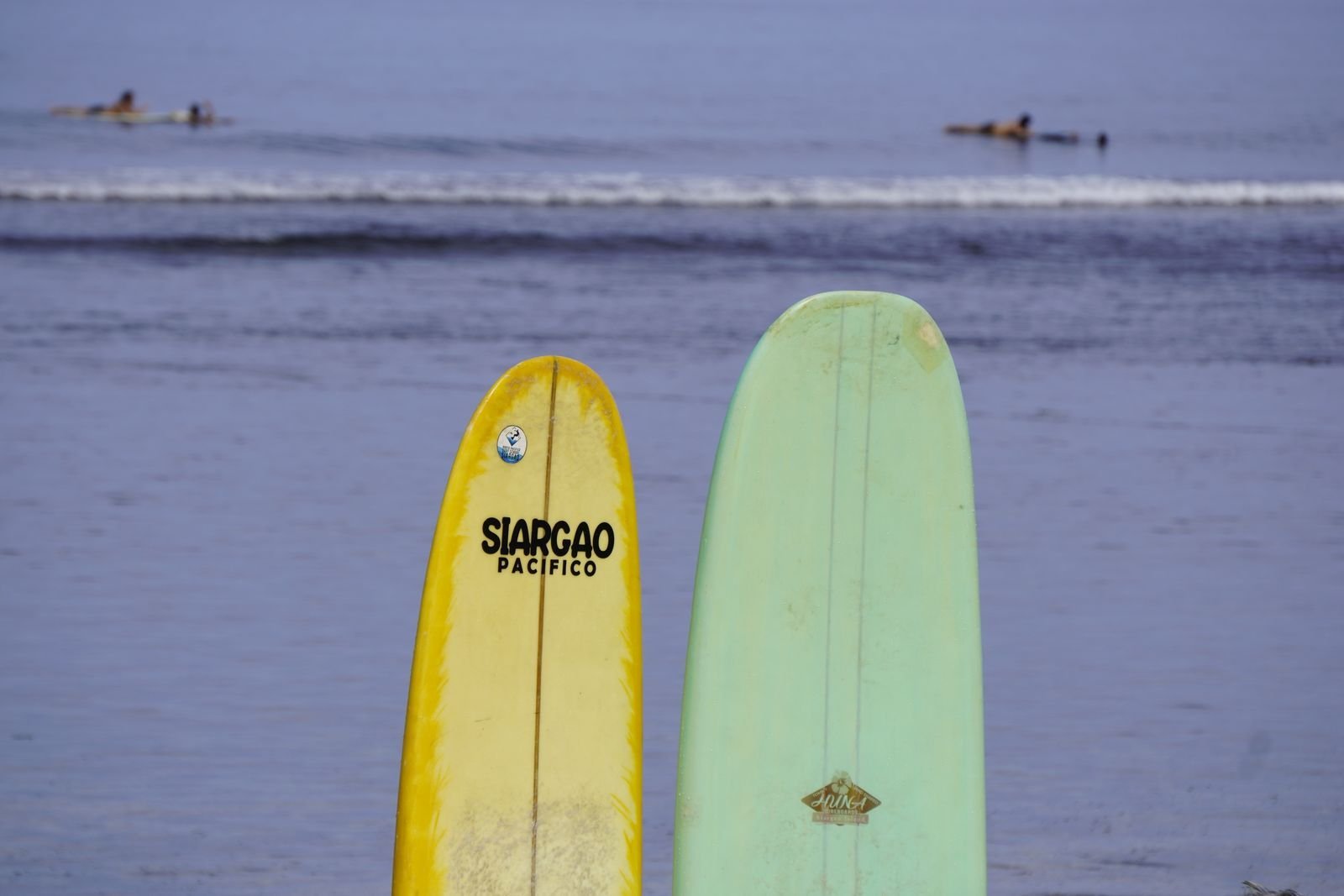
Travellers who prefer slower mornings can look north or west. Pacifico suits surfers and visitors seeking a quieter coastal village, although services are limited and journeys to General Luna take time. Burgos and nearby communities offer a similarly low-key setting. Dapa is useful for ferry connections and everyday commerce rather than beach atmosphere. Del Carmen works well for an early mangrove or Sugba Lagoon departure. Splitting a longer trip between General Luna and a quieter base reduces repeated road travel and shows more of the island.
Surfing for different ability levels
Cloud 9 earned its reputation through a fast, powerful reef break. It is for experienced surfers who can manage shallow reef, crowds and strong conditions; it is not a sensible place to learn. Even confident surfers should ask locally about tide, swell and entry points before paddling out.
Beginners should book a qualified local instructor who can choose a suitable break for the day. Jacking Horse is often associated with lessons, but no break is automatically beginner-friendly in every tide or swell. Instructors may recommend other sandy or gentler areas when conditions fit. Ask whether the lesson includes a leash, appropriate board, rash guard, transport and a clear safety briefing. Intermediate surfers also benefit from guidance because reef depth, currents and boat access vary. Respect the lineup, wait your turn and never stand on living coral.
Island hopping to Daku, Guyam and Naked Island
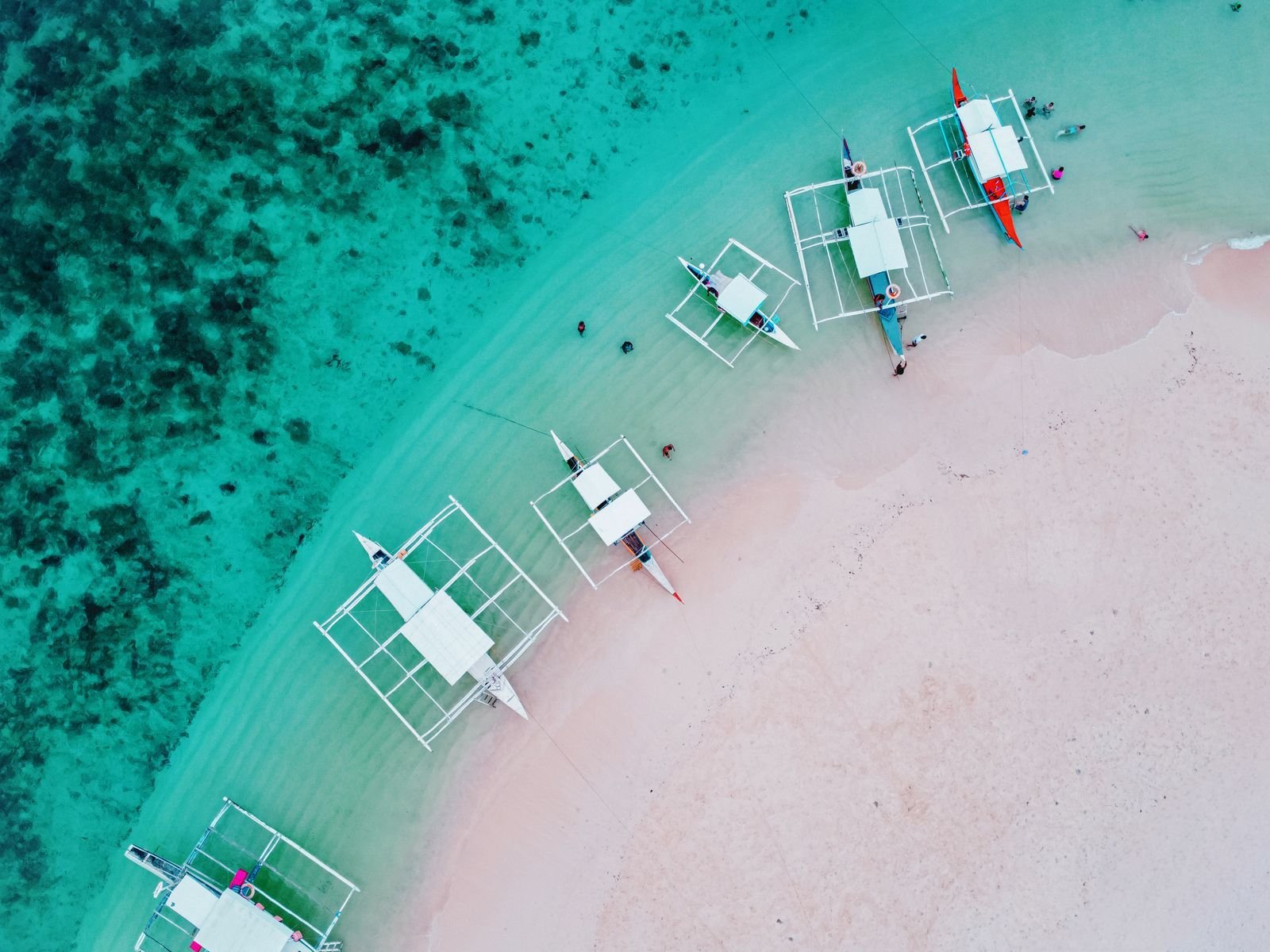
The classic boat circuit from General Luna links three very different stops. Naked Island is an exposed sandbar with almost no shade. Guyam is tiny, photogenic and usually set up for short visits. Daku is larger and commonly becomes the lunch stop, with residents preparing seafood, vegetables and rice when arranged through a guide.
Departure time and stop order depend on weather, tide and port arrangements. Confirm what the boat price includes, particularly environmental or entrance fees, lunch, drinking water and snorkelling equipment. Carry sun protection and a dry bag, but keep luggage light. Sea conditions can change quickly, so accept a revised route when the boat crew judges that it is safer.
Sugba Lagoon and the Del Carmen mangroves
Sugba Lagoon is reached by boat, commonly through Del Carmen, across an extensive mangrove landscape. The journey is part of the experience: calm channels open into limestone-backed blue-green water. Swimming and paddling may be possible, while platform activities depend on current rules and conditions.
Choose an authorized operator and verify meeting points, fees, food and shared-boat arrangements. Some itineraries combine the lagoon with other stops, creating a long day. A simpler lagoon-and-mangrove outing allows more time to appreciate the setting. Follow life-jacket instructions and avoid leaving any waste behind.
Magpupungko and why the tide matters
Magpupungko’s natural rock pools are generally revealed around low tide and can be covered or unsafe at other times. Check a reliable local tide forecast shortly before visiting, then confirm conditions with staff on arrival. Low tide shifts daily, so a fixed morning recommendation is misleading. Wear secure water shoes, move carefully over sharp or slippery rock and keep away from exposed edges when waves are breaking. If timing fails, treat the coastal drive and nearby food stalls as the outing rather than entering unsuitable water.
Getting there and moving around
Flights arrive at Sayak Airport, usually called Siargao Airport, near Del Carmen. Vans connect the airport with General Luna and other towns; arranging a shared or private transfer through accommodation is straightforward. Ferries serve Dapa from Surigao City, with schedules influenced by operator decisions and sea conditions. Leave buffer time around onward flights and check the latest departure information directly.
On the island, options include tricycles, hired vans, motorcycle taxis in some areas and self-drive motorbikes. Only rent a motorbike if you are licensed, insured and genuinely experienced. Wear a properly fitted helmet, avoid riding after drinking, slow down for animals and uneven surfaces, and take extra care after dark or in rain. Photograph the bike’s condition, clarify fuel and damage terms, and never surrender an original passport as security. A driver or tricycle is the better choice when confidence is low.
Weather, surf seasons and flexible planning
Siargao is warm year-round, but rain, wind and swell do not follow a perfect calendar. Surf conditions often build later in the year, while calmer periods may better suit boats; storms can disrupt either pattern. Check forecasts close to departure, keep plans movable and follow official weather advice.
Where to stay and how to plan a budget
General Luna ranges from hostels and guesthouses to villas and resorts. Stay near Tourism Road for dining and nightlife, near Cloud 9 for early surf sessions, or on a side road for quieter sleep. Northern villages favor small inns, surf stays and homestays. Confirm backup power, Wi-Fi and road access when essential.
Divide the budget into accommodation, transport, meals, activities and contingency money. Shared vans, group boats and local eateries usually control costs; private transfers, lessons and charters raise spending. Carry cash because card acceptance and ATMs can be inconsistent, especially outside General Luna. Retain a reserve for weather-related changes.
Food and nightlife
General Luna has Filipino grills, seafood restaurants, cafés and international menus. Try local fish and vegetables, ask the price before ordering and choose busy stalls. Explain allergies clearly; never assume sauces exclude a problem ingredient.
Nightlife rotates among venues, so ask what is operating. Keep noise down in residential lanes, arrange transport after drinking and safeguard phones and cash.
A balanced five-day Siargao itinerary
- Day 1: Arrive, settle into General Luna, walk around Cloud 9 and arrange lessons or tours after checking conditions.
- Day 2: Take a surf lesson at an instructor-selected break, then spend an easy afternoon exploring cafés and the coast.
- Day 3: Join the Daku, Guyam and Naked Island boat circuit, subject to safe seas.
- Day 4: Visit Sugba Lagoon through Del Carmen and include time to learn about the mangrove environment.
- Day 5: Time Magpupungko for suitable tide conditions, or switch to a northern drive if weather or tides do not cooperate.
With extra days, move to Pacifico or another quieter base, repeat a surf session and retain a weather buffer rather than adding a new long excursion every day.
Responsible travel
Bring a refillable bottle, refuse unnecessary plastics and return rubbish to a proper collection point. Do not touch coral, chase wildlife or remove shells. Support local guides and businesses, ask before photographing residents, keep showers short and switch off cooling when leaving.
Families and accessibility
Families benefit from a slower schedule, private transport and rooms away from nightlife. Bring child life jackets if availability or fit is uncertain, and assess boat trips against current sea conditions. Sun, limited shade and long transfers can tire young children.
Accessibility varies. Boats may require wading, paths can be uneven and many properties lack step-free bathrooms. Ask about doorway width, stairs, showers and assistance. Private vans may reduce barriers, but verify every stop.
What to pack for island days
Bring a small dry bag, refillable bottle, sun protection, insect repellent and sandals that stay secure on wet boat steps. A lightweight rain layer is useful even when the morning looks clear. Reef cuts can become infected, so avoid walking on coral and carry a basic first-aid kit for minor scrapes. Surfers should confirm whether a rental includes a leash and suitable fins instead of choosing a board only by price. Keep cash in separate waterproof pockets because smaller businesses and distant stops may not accept cards. Download essential booking details before leaving General Luna, since mobile coverage can weaken around lagoons and outer islands.
Frequently asked questions
How many days are enough for Siargao?
Five days covers the core experiences if weather cooperates. Seven or more allows a quieter base and greater flexibility.
Can non-surfers enjoy the island?
Yes. Island hopping, mangroves, lagoons, coastal drives, food and relaxed beach time provide plenty to do without surfing.
Is Cloud 9 suitable for beginners?
No. This powerful reef break is for experienced surfers. Beginners need an instructor and a break suited to their ability and current conditions.
Do I need to rent a motorbike?
No. Tricycles, vans and arranged transfers can cover an entire visit. Renting is appropriate only for qualified, insured and capable riders.
Should tours be booked before arrival?
Reserve essential holiday-period stays early. Common boat trips and lessons can often be arranged locally, allowing easier weather changes.
Official checks and editorial note
Last fact-check: 3 August 2026. This is a research-led planning guide, not a fabricated first-hand travel diary. Flight and ferry schedules, environmental fees, entry rules and weather conditions can change.
Related Travel Guides
Keep planning with these guides: 2-Week Philippines Itinerary, Palawan Itinerary, Best Time to Visit the Philippines.



[…] Keep planning with these guides: Palawan Itinerary, Bohol Itinerary for 4 Days, Siargao Travel Guide. […]