
You do not need to be rich to see the world. Most of the money on a trip goes to just four things: flights, accommodation, food and getting around, and each of them can be trimmed without ruining the experience. This guide to budget travel for first-timers explains how to set a realistic budget, where the biggest savings are, how much to expect to spend per day in different regions, and which small mistakes quietly drain your wallet. Everything here applies whether you are planning a weekend away or a three-month adventure.
In this guide:
- Start with a realistic budget
- Choose the right destination
- Save on flights
- Save on accommodation
- Save on food
- Save on transport
- Save on activities
- Handle money wisely
- Typical daily budgets
- FAQ
Start with a Realistic Budget
Before you book anything, work out what you can actually spend. Take your total trip budget and split it into five parts: transport to and from the destination, accommodation, food, local transport and activities, plus a buffer of about 10 to 15 per cent for surprises. Most first-time travellers underestimate small daily costs such as water, snacks, tips, SIM cards and laundry. Write the numbers down, and track what you spend with a simple spreadsheet or phone app so that you can adjust halfway through the trip.
A useful rule is to decide your comfort level first. Do you want private rooms, or are shared dorms fine? Do you mind long bus rides? Are restaurants a priority, or are you happy with market meals? Being honest about these choices makes it easier to set a budget you can keep.
Choose the Right Destination
Your destination affects your budget more than almost anything else. A week in Switzerland or Iceland can cost as much as a month in Southeast Asia, Central America or parts of Eastern Europe. If money is tight, look for countries where the local currency is weak against yours, where street food is plentiful and where public transport is cheap.
- Cheaper regions: Southeast Asia, South Asia, the Balkans, Central America, North Africa and parts of South America generally offer low daily costs.
- Mid-range regions: Southern Europe, Eastern Europe, Turkey, Mexico and parts of the Middle East sit in the middle.
- Expensive regions: Scandinavia, Switzerland, Japan in peak season, Australia, New Zealand, Iceland and the Gulf resorts cost the most.
You can still visit an expensive country on a budget by staying in apartments, cooking some meals and choosing free activities such as hiking, parks and museums on free days.
Save on Flights
Flights are often the biggest single expense, so a little planning here pays off. Be flexible with dates, because prices can change by large amounts from one day to the next. Use fare comparison websites with a calendar view, set price alerts for your route, and compare nearby airports. Midweek flights, early morning departures and red-eye flights are usually cheaper than weekend and holiday flights.
- Travel in the shoulder season, the months just before or after the peak, when prices drop and weather is still good.
- Check whether a one-way ticket on a budget airline plus another one-way home is cheaper than a return fare.
- Read the baggage rules carefully. A cheap ticket can become expensive if you must pay for a cabin bag or a seat. Travel with only hand luggage when you can.
- Consider getting to a cheaper hub by train or bus and flying from there.
Save on Accommodation
Accommodation is usually the second-biggest cost. The cheapest options are dorm beds in hostels, followed by guesthouses, budget hotels and apartments. For couples and groups, a private room in a guesthouse often costs less per person than two dorm beds. Staying a little outside the busiest tourist area saves money, as long as public transport is easy.
- Stay longer in one place: Many hosts offer weekly discounts, and you also save on transport.
- Look for a kitchen: Being able to cook breakfast or dinner reduces your food bill.
- Read recent reviews: Cheap is only good value if the place is clean and safe.
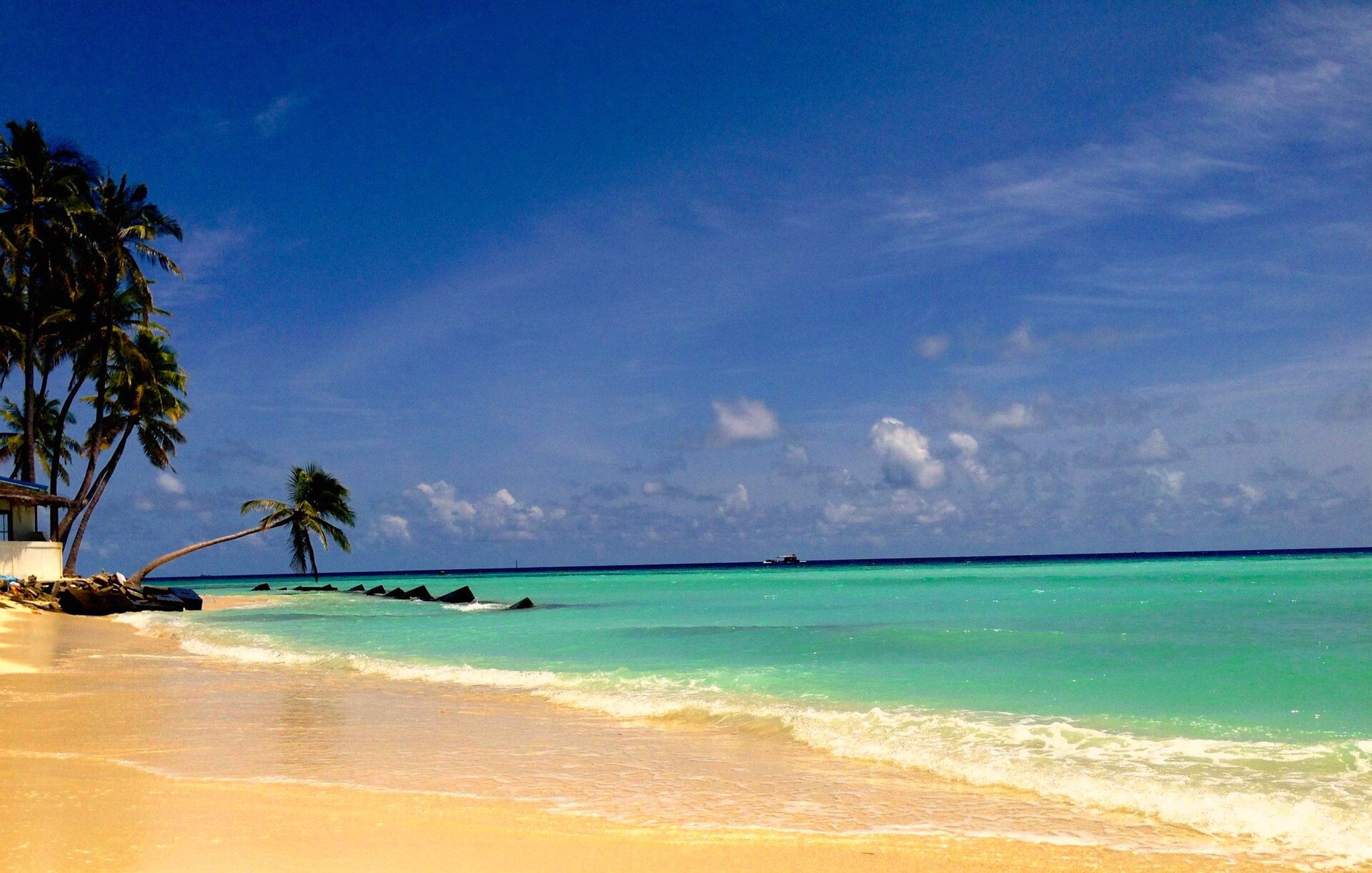
- Choose local islands and villages: Guesthouses on local islands are far cheaper than resorts, as we explain in our Maldives local islands guide.
Save on Food
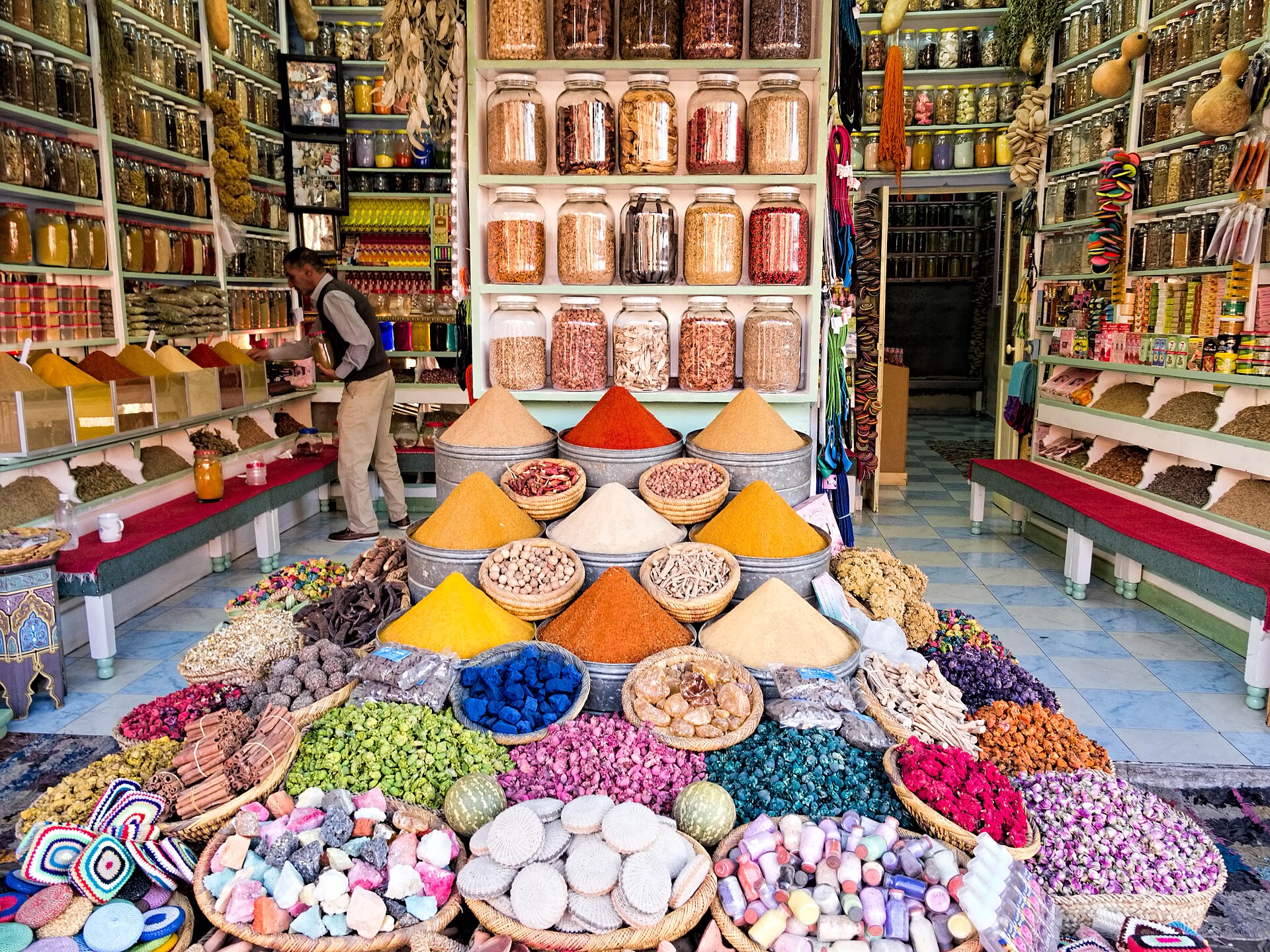
Eating is a highlight of travel, and it does not have to be costly. Eat where locals eat: markets, food stalls and small family restaurants offer fresh, tasty meals at a fraction of the price of tourist restaurants near the main sights. A good habit is to have a big meal at lunch, when many places offer a set menu at a lower price, and a lighter dinner.
- Walk a few streets away from the main attractions before choosing a restaurant.
- Buy snacks, fruit and bread at local shops rather than at kiosks.
- Carry a refillable water bottle, and use filtered water where it is safe.
- Choose busy stalls, which are usually fresher and safer.
Save on Transport
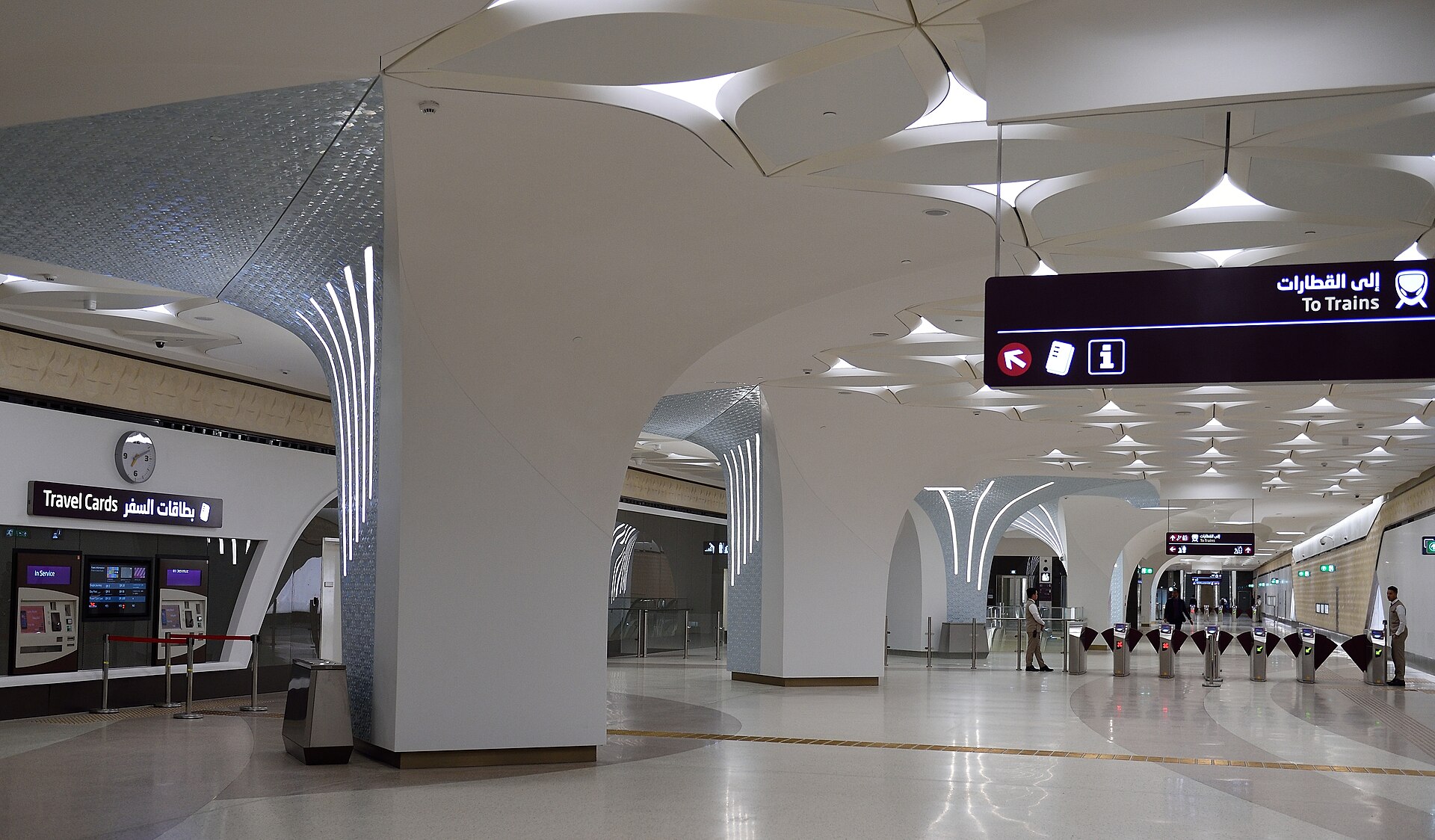
Public transport is almost always cheaper than taxis, and it is part of the experience. Metro systems, buses, trams and trains let you see how people live. Buy multi-day passes or travel cards when they make sense, and check whether your accommodation offers free city cards. For longer distances, overnight buses and trains can save a night of accommodation. Ride-hailing apps are cheaper than street taxis in many countries, and they show the price in advance, which avoids arguments.
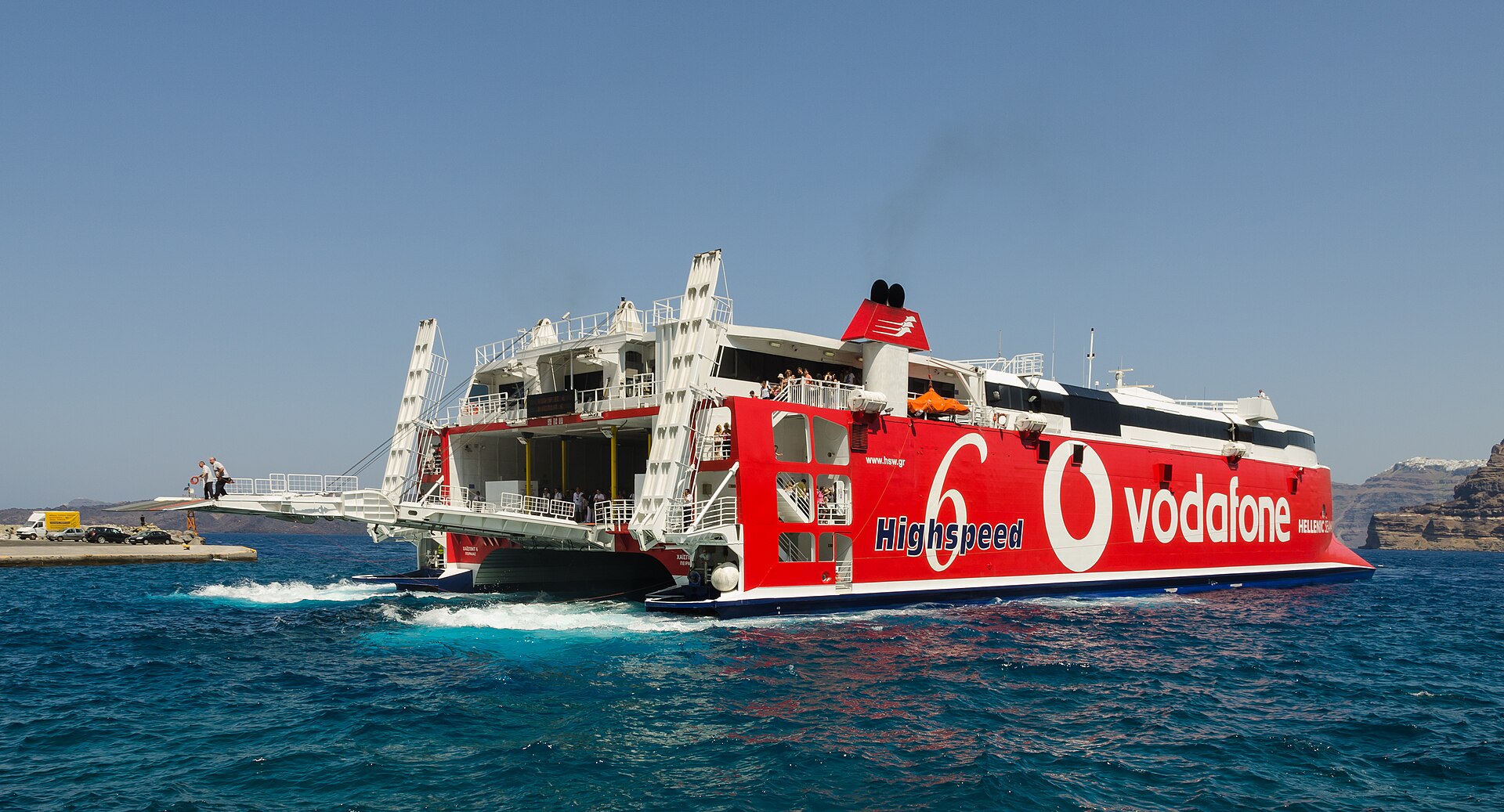
Ferries, regional trains and shared minibuses often cost much less than flights over short distances. Book early where tickets are limited, and keep some flexibility in case of delays.
Save on Activities
Many of the best things to do are free or cheap: walking tours with tips, viewpoints, beaches, markets, parks, temples and hiking trails. Look for free museum days, city passes if you plan to visit many paid sights, and combination tickets. Choose one or two paid highlights and fill the rest of your time with free ones. Book tours directly with local operators, as it is often cheaper than through resellers, but always check reviews and safety standards.
Handle Money Wisely
Small money mistakes add up. Withdraw cash from bank machines rather than exchanging at airports, and choose to be charged in the local currency instead of your home currency when a machine asks. Use a card with no foreign transaction fees if you can, and tell your bank where you are going. Carry a small amount of cash in several places, keep a backup card separate from your wallet and use a money belt or a zipped pocket in crowded places. Be careful of hidden costs: service charges, tourist taxes, baggage fees, ATM fees and tips.
Typical Daily Budgets
These rough ranges per person per day, excluding international flights, give an idea of what to expect. Prices change, so treat them as starting points.
| Region | Backpacker | Mid-range |
|---|---|---|
| Southeast Asia | Low | Moderate |
| Eastern Europe and the Balkans | Low to moderate | Moderate |
| Southern and Western Europe | Moderate | High |
| North Africa and the Middle East | Low to moderate | Moderate |
| Japan and South Korea | Moderate | High |
| Scandinavia, Switzerland and Iceland | High | Very high |
Common Budget Mistakes to Avoid
The most frequent mistake is trying to see too much. Moving every day means paying for more transport, more luggage handling and more last-minute bookings. Slow travel is cheaper and more relaxing. Another mistake is skipping insurance to save a little, which can cost a fortune if something goes wrong. Many travellers also forget to compare prices before paying for a tour, or accept the first taxi quote in a tourist area. Finally, do not chase the cheapest price at the cost of safety, such as a very cheap room in an unsafe area or an unlicensed operator. A few extra dollars for a safe, well-reviewed choice is almost always worth it.
A Simple Seven-Day Example
Imagine a week in a mid-priced city. You book a private room in a guesthouse for the whole week at a weekly rate, have breakfast at the guesthouse or a bakery, a big lunch at a local restaurant, and a light dinner from a market or supermarket. You walk to most sights, use a three-day public transport card for the rest, and pick two paid attractions while using free museum days and parks for the others. By grouping activities by neighbourhood and avoiding taxis, you cut your daily spending noticeably compared with a trip built around single bookings. Track your expenses each evening so that you see where you are over or under your plan.
Quick Budget Checklist
- Set a total budget and a daily limit, with a 10 to 15 per cent buffer.
- Compare flights across dates and nearby airports, and pack light.
- Book accommodation with a kitchen or free breakfast when possible.
- Eat where locals eat and carry a refillable bottle.
- Use public transport and passes instead of taxis.
- Mix free activities with one or two paid highlights.
- Use a card without foreign fees and withdraw cash sensibly.
- Buy travel insurance and keep copies of important documents.
FAQ
How much money should I take on a first trip?
It depends on where you go and how long, but a good approach is to calculate a daily budget and multiply it by the number of days, then add 10 to 15 per cent as a buffer.
Is it cheaper to book everything in advance?
Flights and busy-season accommodation are usually cheaper when booked early, but leave some days flexible so that you can take advantage of local tips and last-minute offers.
Is travelling solo more expensive?
Often slightly, because you cannot share rooms or taxis. Hostels, group tours and shared transport help reduce costs.
What are the biggest hidden costs?
Baggage fees, airport transfers, ATM and card fees, tourist taxes and tips, so remember to include them in your budget.
Can I travel cheaply and still be comfortable?
Yes. Choose a cheaper destination, travel in the shoulder season and spend money on the things that matter most to you, such as a private room or one special activity.
When you are ready to plan the details, read our guides on budget-friendly local islands and the Morocco itinerary for 10 days.