
“How much will this trip cost?” is the first question every traveller asks, and the honest answer is that it depends on where you go, how you travel and how long you stay. Still, you can estimate a realistic daily budget in a few minutes if you know the typical costs of a region and what you want from the trip. This guide gives approximate daily budgets by region, shows what the money is spent on, and explains how to turn those numbers into a total trip budget. All amounts are rough estimates in US dollars that exclude international flights, and prices change, so use them as a starting point and check current prices before you book.
In this guide:
- How to estimate your trip cost
- Three travel styles
- Southeast Asia and South Asia
- Europe
- North Africa and the Middle East
- The Americas
- Expensive destinations
- Costs people forget
- A simple trip budget formula
- FAQ
How to Estimate Your Trip Cost
The simplest method is to multiply a daily budget by the number of days and then add the fixed costs: international flights, visas, travel insurance, vaccinations and any gear you need to buy. The daily budget should cover accommodation, three meals, local transport, activities and a small amount for extras. To be realistic, look up the price of a mid-range hotel, a typical restaurant meal and a day pass for public transport in the cities you plan to visit, and add one or two paid activities per day on average.
Three Travel Styles
Your travel style changes the numbers more than the country does.
- Budget or backpacker: dorm beds or cheap guesthouses, street food and local restaurants, public transport and mostly free activities.
- Mid-range: private rooms in comfortable hotels or apartments, restaurant meals, some taxis and several paid attractions.
- Comfort or luxury: higher-end hotels, guided tours, private transfers and fine dining.
Most people mix styles. For example, you might stay in a modest hotel but splurge on a once-in-a-lifetime tour.
Southeast Asia and South Asia
These regions are famous for good value. A budget traveller can often manage on about 25 to 45 dollars a day in countries such as Vietnam, Cambodia, Laos, Indonesia, the Philippines, India and Sri Lanka, with simple guesthouses, local food and public transport. A mid-range traveller can enjoy comfortable hotels and nice restaurants for roughly 60 to 120 dollars a day. Thailand, Malaysia and the tourist islands of Bali cost a little more, and Singapore is much more expensive. The biggest extra costs are internal flights, boat transfers and tours.
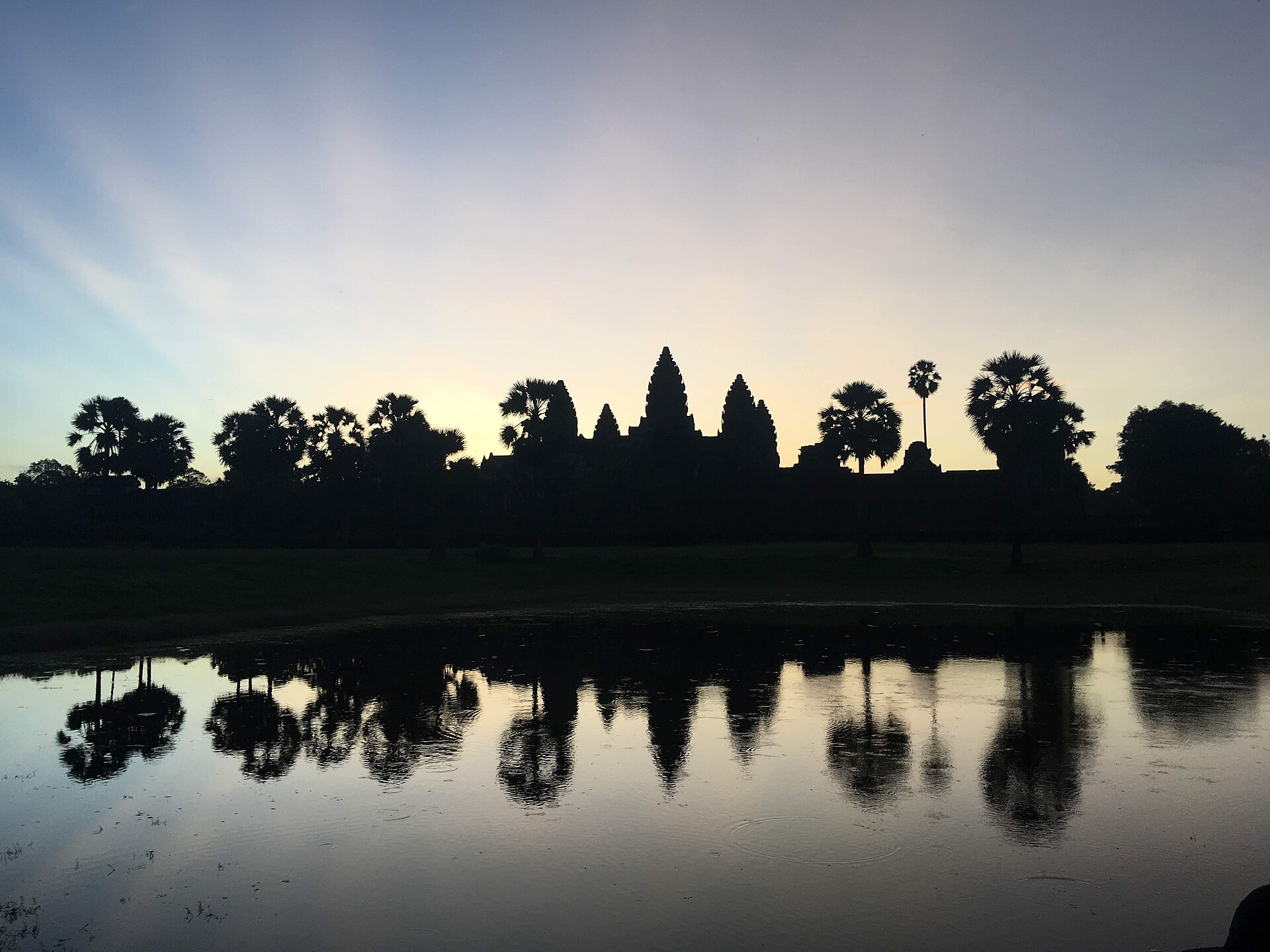
For Cambodia, see our Angkor Wat travel guide for costs of passes and transport.
Europe
Costs vary hugely across Europe. Eastern Europe and the Balkans, including countries such as Bulgaria, Romania, Albania and Serbia, can be done on about 40 to 70 dollars a day on a budget. Southern Europe, such as Portugal, Spain, Greece and Italy, is moderate and often costs 70 to 120 dollars a day on a budget and 150 to 250 for mid-range. Western Europe, including France, Germany and the Netherlands, is more expensive, and Scandinavia, Switzerland and Iceland are among the priciest places in the world, where even a simple meal can cost a lot. Trains, city passes and cooking your own meals help a great deal.
North Africa and the Middle East
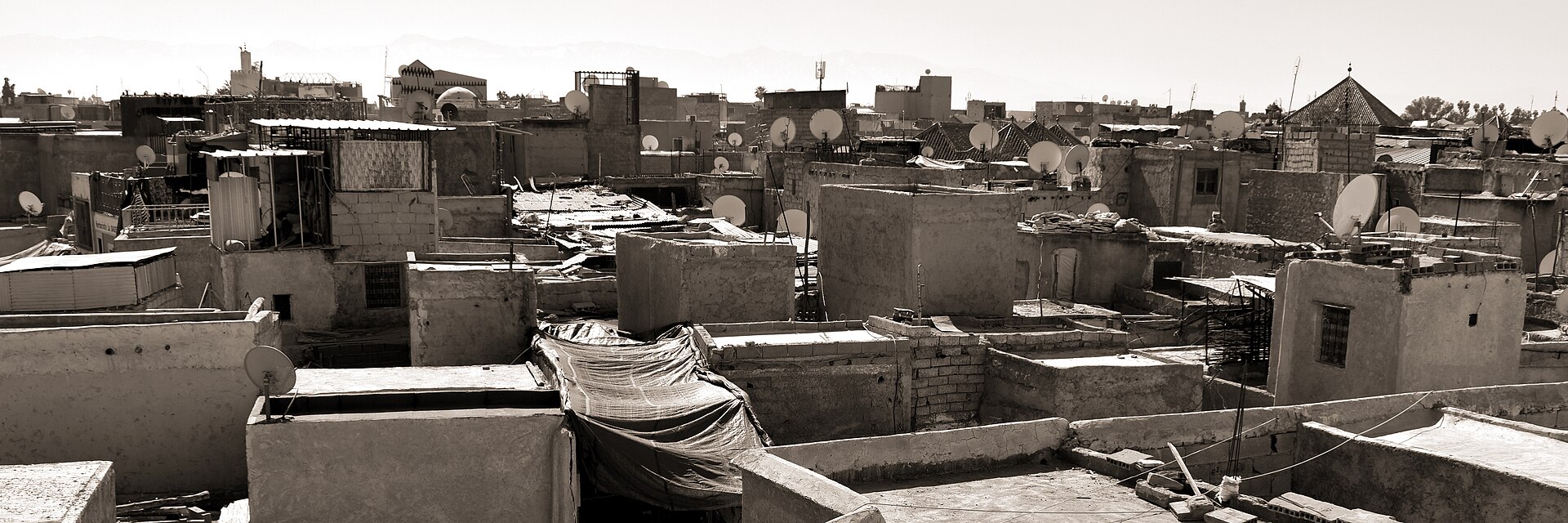
Morocco, Egypt, Jordan and Turkey are good value for what they offer. A budget traveller can often spend about 35 to 60 dollars a day, while mid-range travellers spend 80 to 150, depending on how many entrance fees, tours and private drivers they use. Jordan is more expensive than Egypt or Morocco because of entry fees at Petra and Wadi Rum, though a pass can help. The Gulf countries, such as the UAE, Qatar and Oman, cost much more, especially for hotels. Prices at tourist sites in Egypt and Jordan are often higher for foreigners, so compare them with the cost of local transport and food.
The Americas
Central America, Peru, Bolivia, Colombia and Ecuador are among the best-value regions, with budget travellers spending about 35 to 60 dollars a day and mid-range travellers 80 to 150. Argentina and Chile can swing in cost because of exchange rates, and Patagonia is expensive for transport and accommodation. Mexico is moderate, while the United States and Canada are among the most expensive, especially in big cities and national park gateway towns, where budget travellers still need around 100 dollars or more a day.
Expensive Destinations and How to Make Them Cheaper

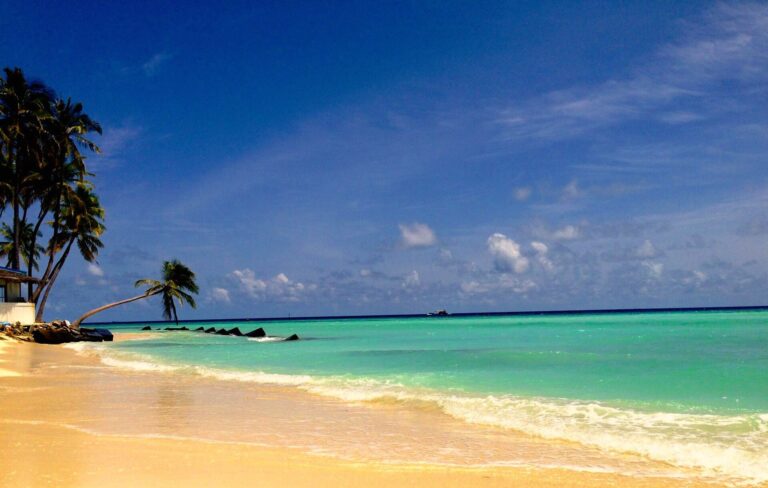
Iceland, Norway, Switzerland, Japan in peak season, New Zealand, Australia and the Maldives resorts are costly. But there are ways to keep expenses under control: travel in the shoulder season, stay in hostels or apartments, shop at supermarkets, hire a car and share the cost, and focus on free natural attractions such as waterfalls, hikes and viewpoints. Our Iceland waterfalls guide shows how many of the best sights are free.
Costs People Forget
- Visas, entry fees and tourist taxes charged on arrival or at hotels.
- Airport transfers, luggage fees and seat selection fees on budget airlines.
- Travel insurance and any vaccinations or medication.
- SIM cards or eSIMs, laundry and tips.
- Bank and card fees when you withdraw cash abroad.
- Replacing lost or broken items such as chargers and adapters.
Add a buffer of 10 to 15 per cent for the unexpected, and more for long trips.
A Simple Trip Budget Formula
Use this method to estimate any trip:
- Pick a daily budget for your style and destination.
- Multiply it by the number of days.
- Add international flights and internal flights or long transfers.
- Add insurance, visas and gear.
- Add 10 to 15 per cent as a buffer.
For example, if your daily budget is 70 dollars for 10 days, the base cost is 700 dollars. Add flights, insurance and the buffer to get the total. Review it each week of travel and adjust if you overspend.

Three Sample Trip Costs
Ten Days in Southeast Asia
A budget traveller who stays in guesthouses, eats at street stalls and uses buses and one or two cheap flights could estimate roughly 350 to 500 dollars for ten days on the ground, not counting the flight to the region. A mid-range traveller who wants air-conditioned private rooms, restaurant meals and several tours would be closer to 800 to 1,200 dollars. The difference mostly comes from accommodation and organised tours.
A Week in Southern Europe
Seven days in a city such as Lisbon, Seville or Athens can cost around 600 to 900 dollars on a modest budget with a private room, local restaurants and public transport, and roughly 1,200 to 1,800 dollars with a comfortable hotel, taxis and a few paid museums or tours. Cheap budget flights within Europe and rail passes can change this a lot.
Two Weeks in Morocco or Egypt
For fourteen days, a budget traveller using guesthouses, local meals and buses or trains might need about 600 to 900 dollars, while a mid-range traveller with riads, private drivers and guided tours could spend 1,500 to 2,500. Entrance fees, desert tours and internal transport are the biggest items in these countries.
Easy Ways to Lower Your Costs
- Travel in the shoulder season: Weather is still good, but flights and hotels are cheaper and crowds are smaller.
- Slow down: Fewer destinations mean fewer transport costs and weekly accommodation discounts.
- Be flexible: Moving your dates by a few days can save on flights.
- Avoid tourist traps: Eat and shop a few streets away from major sights.
- Use local transport: Metro, buses and trains are cheap and often faster than taxis.
- Cook sometimes: Even simple breakfasts and picnics help.
- Look for free things: Parks, beaches, viewpoints, walking tours and free museum days.
Exchange Rates and Currency Tips
Exchange rates affect your budget more than you might expect. A strong home currency makes a destination cheaper, while a weak one raises prices. Check the rate before you travel and again during the trip, since it can move. Avoid exchanging money at airports or hotels, where rates are poor, and use bank machines or reputable exchange offices. Some countries use the US dollar or the euro in tourist areas, so carry small notes. When a card machine asks if you want to pay in your home currency or the local currency, choose the local currency to avoid a poor conversion rate. Keep a record of your spending in one currency so that you can compare days easily.
FAQ
How can I find real, current prices?
Look at recent traveller reports, official tourism sites, hotel booking platforms and local supermarket and transport websites. Prices change with the season and currency movements.
Is it cheaper to travel in a group?
Often yes, because you can share rooms, taxis and private tours. Solo travellers can save by joining small-group tours or staying in hostels.
Do I need to carry cash?
Yes in many places. Cards are widely accepted in cities and hotels, but cash is necessary in markets, small restaurants and rural areas.
What is the best way to avoid overspending?
Set a daily limit, track your spending each evening and plan big expenses such as tours and internal flights ahead of time.
Should I book everything in advance?
Book flights and popular attractions early, but keep some days flexible. Last-minute deals and local tips can save money.
For ways to cut costs once you have your estimate, read our guide to budget travel tips for first-timers.