
This sigiriya rock fortress guide explains how to plan the visit without relying on prices or schedules that may change. Rising above Sri Lanka’s Central Province, Sigiriya combines a fifth-century royal complex, landscaped gardens, rock paintings, defensive works and a demanding stair climb. A successful visit depends on checking official information, arriving at a sensible hour and understanding which parts of the route require extra care. The advice below covers the standard approach from the museum and water gardens to the summit, plus transport, weather, conduct and practical itineraries.
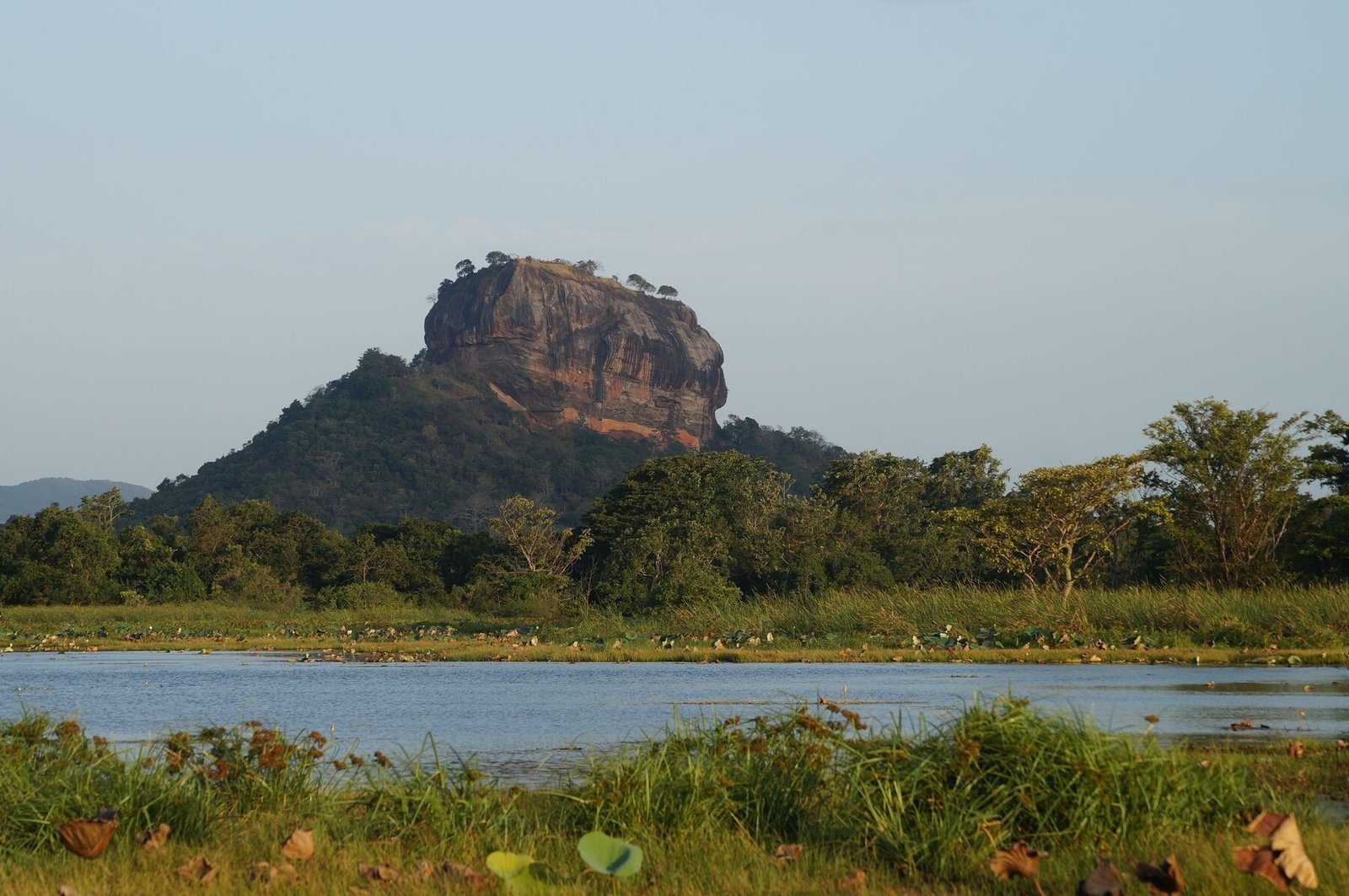
Why Sigiriya matters
Sigiriya is often associated with King Kashyapa I, who ruled in the late fifth century and established a fortified royal centre around the enormous rock. Archaeological evidence also connects the area with Buddhist monastic activity before and after his reign. The site’s design joined natural topography with formal gardens, reservoirs, walls, gateways and buildings. Its water gardens are notable for sophisticated hydraulic planning, while the surviving frescoes and polished wall preserve rare traces of courtly art and early visitor writing.
UNESCO lists the Ancient City of Sigiriya as a World Heritage Site. That status reflects the whole cultural landscape, not only the view from the top. Allow time for the museum, gardens and lower ruins instead of treating the visit solely as a summit climb.
Verify tickets and opening times
Ticket prices, accepted payment methods, opening hours and entry procedures can change. Before travelling, check the current details through Sri Lanka’s official tourism or cultural-heritage authorities, or ask the ticket office through an officially published contact. Confirm whether the museum follows the same hours as the archaeological site and note the last admission time. Avoid copying a price from an old blog, social post or hotel notice.
Buy only from the authorised ticket counter or an official online channel clearly linked by the relevant authority. Keep the ticket available until leaving because staff may inspect it at more than one point. If someone outside the entrance claims that the counter is closed, that a special permit is mandatory or that only a private guide can arrange entry, verify the statement with uniformed site staff.
Understanding the climb
The conventional visit follows a mostly linear route, although staff may alter circulation for maintenance, weather or crowd control. There are many exposed metal and stone steps, uneven surfaces and limited shade. The precise step count varies by route and by what is included, so physical effort is a better planning measure than a single quoted number.
1. Museum and water gardens
The museum provides useful context for the city plan, excavation history, paintings and engineering. Visiting it first makes the structures outside easier to read. From the main entrance, the route crosses the symmetrical water gardens, where pools, channels, islands and fountains formed part of the royal approach. After rain, some ancient fountains may operate through water pressure, but visitors should not expect them to run every day.
Paths in the gardens are generally the least strenuous part of the site, though paving can be irregular or slippery. Look back periodically: the long central axis frames the rock and reveals how carefully the approach was staged.
2. Boulder and terrace gardens
Beyond the formal pools, the route rises through the boulder gardens. Rock arches, retaining walls and former structures show how builders adapted massive natural stones. Steps become steeper as the path reaches the terraced gardens at the base of the rock. This is a sensible place to rest, drink water and assess whether everyone in the group is comfortable continuing.
3. Frescoes and the Mirror Wall
A spiral staircase leads toward the surviving frescoes. The confined structure and height can be difficult for people with vertigo or discomfort in tight spaces. Follow any one-way system, keep moving when requested and do not lean over barriers. Photography rules can change and may be strict; obey signs and staff instructions rather than assuming that phones or flash are permitted.
The Mirror Wall was once polished and later became known for historic graffiti, including verses written by early visitors. Modern writing, scratching or touching is damage, not participation in that tradition. Speak quietly, keep hands off protected surfaces and never add marks. Drones, tripods and commercial equipment may require permission, so confirm rules beforehand.
4. Lion’s Paw terrace and summit stairs
The Lion’s Paw terrace is the final major pause before the exposed ascent. The giant carved paws flank stairs that once passed through a larger lion-shaped gateway. From here, metal stairways climb the rock face. They can feel airy, become hot in direct sun and move slowly when busy. Give way according to staff directions, use handrails and do not push past nervous climbers.
5. The summit
The summit contains foundations, terraces, cisterns and the remains of palace structures across a surprisingly broad area. Stay behind barriers and away from unprotected-looking edges. Views extend over forest, reservoirs, farmland and distant hills, but weather may reduce visibility. Reserve time to examine the ruins before descending; the return route still demands concentration, especially when steps are wet.
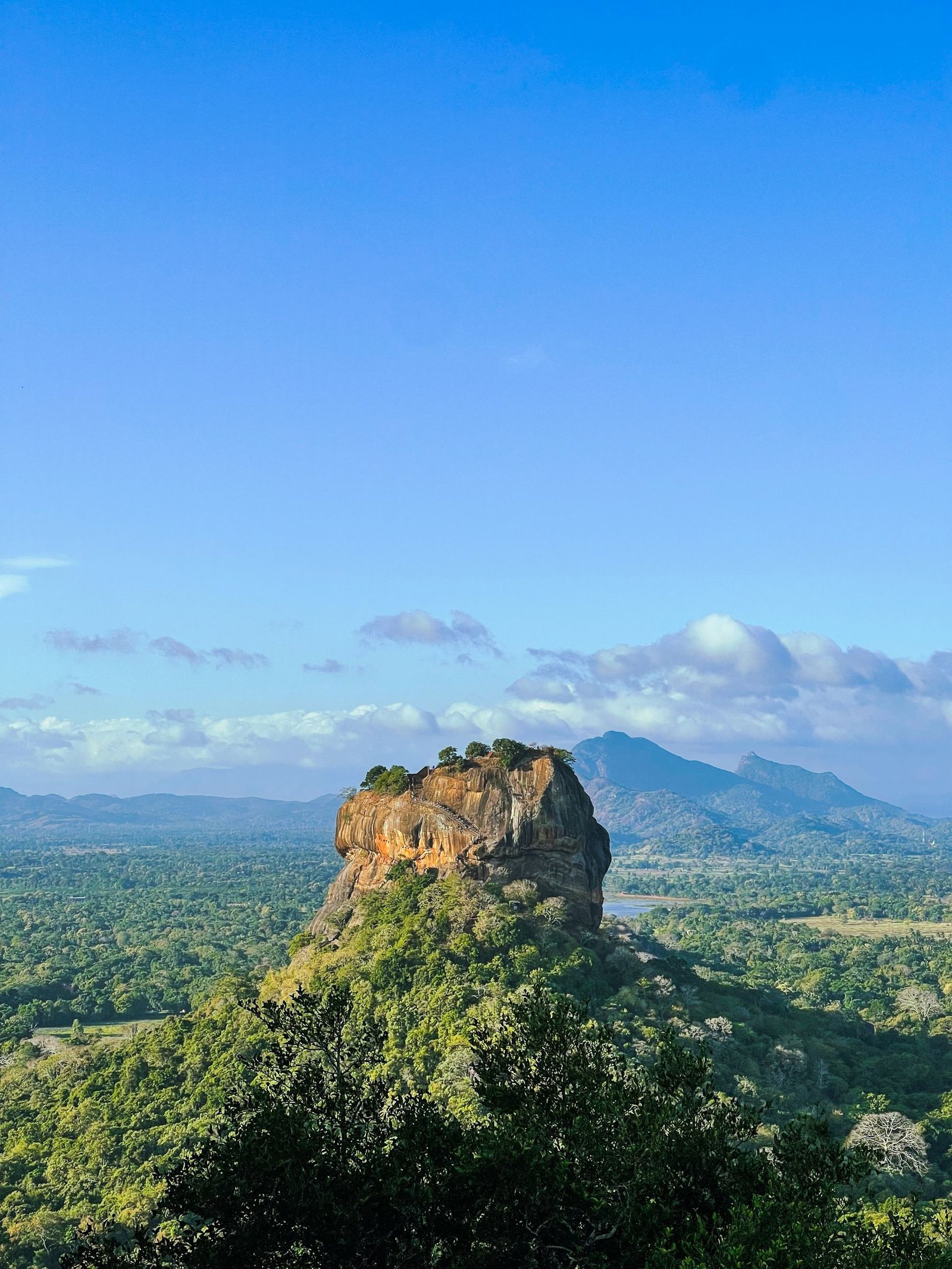
Sigiriya or Pidurangala?
Sigiriya is the primary choice for archaeology, formal gardens, frescoes and the royal complex. Pidurangala, a nearby rock with a temple at its base, is commonly chosen for a view toward Sigiriya and a more rugged climb. It is not a substitute for Sigiriya’s cultural remains. The upper Pidurangala route includes scrambling over rocks and may be unsuitable for some travellers.
Each site has its own ticket and conduct requirements. Pidurangala’s religious areas require respectful dress, and footwear may need to be removed where instructed. Attempting both in one day is possible for fit visitors, but heat and fatigue matter. Do not trespass, bypass counters or use unofficial tracks to avoid fees.
Best time of day and weather
Early morning is usually the most comfortable period because temperatures are lower and the exposed upper stairs have had less time to heat. Later afternoon can also be pleasant if current closing and last-entry times leave enough margin for a safe descent. Midday brings stronger sun, warmer metalwork and a greater risk of dehydration. Crowds vary with weekends, holidays and tour schedules.
Carry drinking water, apply sunscreen and use a secure hat that will not blow from the stairs. In rainy conditions, stone, brick and metal surfaces become slippery. Thunder, strong wind or intense rain may make exposed sections unsafe or cause temporary restrictions. Check the forecast and follow closures immediately. An umbrella can obstruct others on narrow stairs; a light rain jacket is usually more practical.
Getting there
From Dambulla: Sigiriya is the simplest to reach from Dambulla by local bus, hired tuk-tuk, taxi or prearranged driver. Ask where the current public bus departs and confirm the return options, especially late in the day. Agree on a tuk-tuk fare before departure and clarify whether waiting time is included.
From Kandy: Travellers generally use a bus combination via Dambulla, a private car or a transfer. Road times vary substantially with traffic, weather and stops. A same-day return is possible but long; staying near Sigiriya or Dambulla creates a calmer morning visit.
From Colombo: The journey is considerably longer. Options include intercity buses or trains for part of the route followed by road transport, as well as direct private transfers. Verify current rail and bus schedules with the relevant operator. For a short trip, an overnight stay nearby is more realistic than combining two long drives with the climb.
Accessibility, clothing and safety
The complete route is not step-free. The summit requires sustained stair climbing, and the fresco detour includes a spiral stair. Visitors with reduced mobility, heart or respiratory conditions, severe vertigo, or recent injuries should seek current accessibility information from site management and consider exploring the museum and lower gardens only. Assistance may be limited, and wheelchairs cannot reach many upper areas.
Wear lightweight clothing that covers enough skin for sun protection, plus supportive shoes with reliable grip. Sigiriya itself is archaeological rather than an active shrine throughout, but nearby religious sites require shoulders and knees to be covered. Pack medication, water and a small rain layer. Keep both hands free on steep sections by using a compact backpack.
Macaques and other animals may approach food or loose bags. Do not feed, touch or provoke them. Secure snacks, sunglasses and small items, and avoid eating beside monkeys. Wasps or hornets can occasionally affect the rock; remain quiet near warning signs and follow emergency directions. Tell a companion or staff member if dizziness, chest pain or heat illness develops, and descend only when it is safe to move.
Responsible conduct and common scams
Stay on marked paths, carry rubbish out or use designated bins, and never remove stone, plants or archaeological material. Do not climb walls for photographs. Keep music off, limit noise and avoid blocking stairs or viewpoints. Use licensed guides if hiring one, agree on the service and fee in advance, and ask to see recognised identification when applicable.
Typical problems include inflated transport quotes, claims that a ticket includes an obligatory guide, unofficial shortcuts and pressure to visit shops. Confirm fares, inclusions and destinations before accepting a ride or tour. A friendly offer to show a “free” viewpoint may end with a demand for payment. Decline firmly and consult the official counter or accommodation staff when uncertain.
Sample itineraries
Half-day plan
Arrive near opening after confirming the current schedule. Spend about 30 minutes in the museum, then cross the water and boulder gardens before climbing via the frescoes, Mirror Wall and Lion’s Paw terrace. Explore the summit, descend carefully and allow a final pause in the lower gardens. A relaxed visit commonly occupies three to four hours, but queues, fitness and weather can extend it.
Full-day plan
Visit Sigiriya early and allow four hours without rushing. Eat lunch and rest during the hottest part of the day. Later, choose a village visit arranged through a reputable local operator, explore Dambulla’s recognised cultural sites with appropriate dress, or climb Pidurangala only if conditions, daylight and fitness are suitable. Build in transport time and confirm every site’s current closing rules.
Frequently asked questions
Do visitors need a guide?
A guide is not normally essential for following the marked route, but a qualified guide can explain archaeology and symbolism that signs may cover briefly. Verify current rules and credentials at the official entrance.
How long does the climb take?
Pace varies widely. Queues, rest stops, photography, heat and time on the summit all matter. Budget three to four hours for the overall site rather than planning around a rapid ascent.
Can children climb Sigiriya?
Many do, but adults must supervise them closely on exposed stairs and near edges. Consider each child’s stamina, response to heights and ability to follow instructions.
Is sunrise entry available?
Do not assume it is. Check the officially published opening time for the date of the visit. Pidurangala and Sigiriya have separate access arrangements.
Can tickets be bought in advance?
Official sales channels may change. Use only a link published by the responsible Sri Lankan authority, and check refund, date and identification conditions before paying.
Conclusion
Sigiriya rewards more than speed. Verify tickets and hours through official sources, start when temperatures are manageable, and treat the gardens, paintings, walls and summit as parts of one designed landscape. Sensible footwear, water, patient stair etiquette and respect for protected surfaces make the visit safer for travellers and gentler on a site that has endured for centuries.
Planning sources and editorial note
Last fact-check: 3 August 2026. This is a research-led planning guide, not a fabricated first-hand travel diary. Prices, schedules, entry rules and local conditions can change; confirm time-sensitive details with the official sources below before booking.
Continue planning Sri Lanka
Related Travel Guides
Keep planning with these guides: Sri Lanka Travel Guide, 10-Day Sri Lanka Itinerary, Yala National Park Safari Guide.

[…] planning with these guides: 10-Day Sri Lanka Itinerary, Sigiriya Rock Fortress Guide, Sri Lanka Travel […]