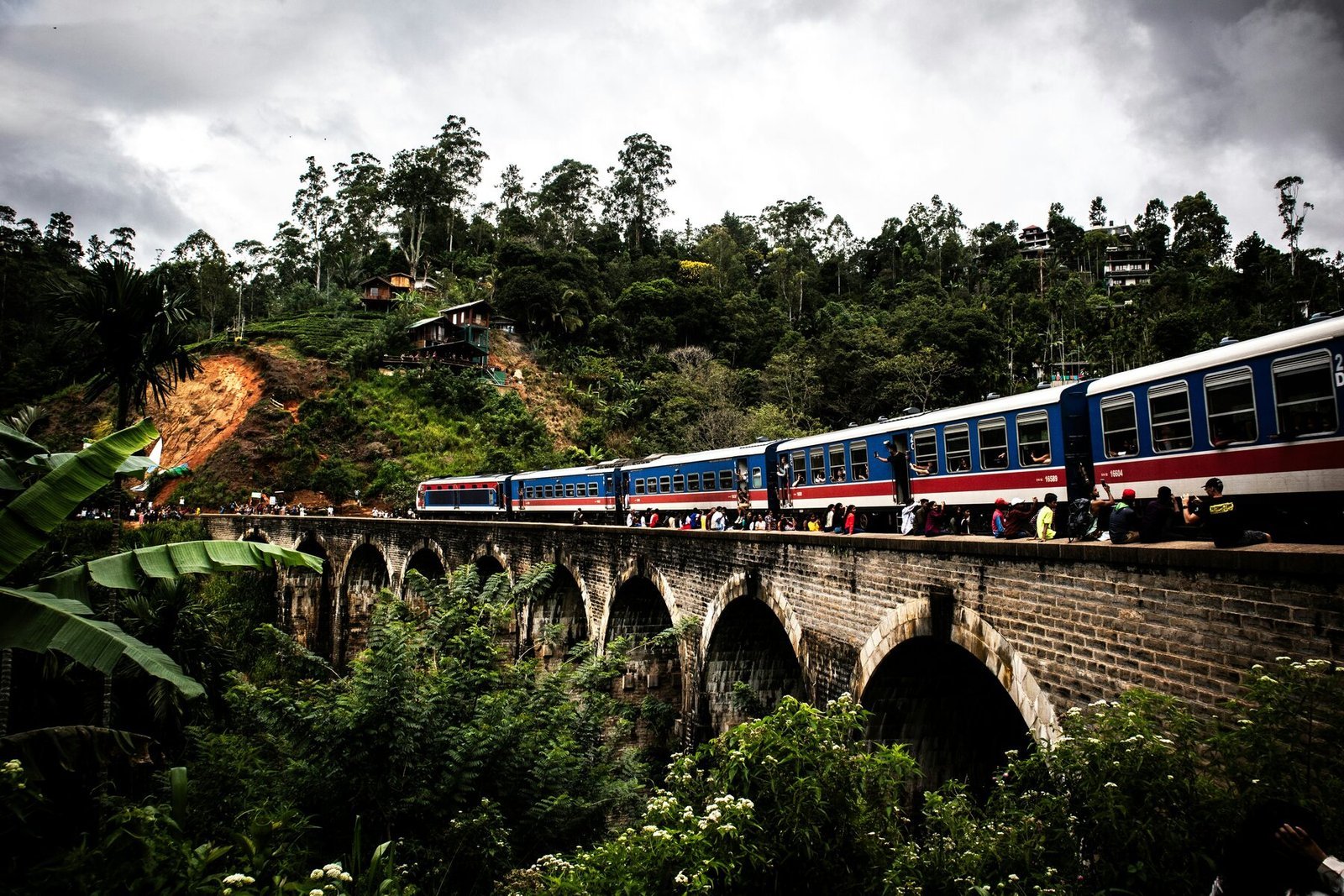
The colombo to ella train is one of Sri Lanka’s most popular rail journeys, linking the capital with the central highlands and Ella’s mountain scenery. It is also a practical transport option, but tickets, departure points, seat types and journey times can be confusing. This guide explains the route, how to book through official Sri Lanka Railways sources, what to expect onboard and how to make a realistic backup plan. Timetables and operating arrangements can change, so confirm details shortly before travel.
Route and main stations
Trains from Colombo travel inland from Colombo Fort, climb through the hill country and continue toward Badulla. Ella is a stop before Badulla, rather than the end of the railway. Depending on the service, useful stations along the route may include Ragama, Gampaha, Polgahawela, Rambukkana, Peradeniya Junction, Kandy, Hatton, Nanu Oya, Haputale, Diyatalawa, Bandarawela and Ella. Not every train stops everywhere, and stopping patterns may differ by date or service.
The scenery changes gradually. Urban districts and lowland fields give way to steeper terrain around the approach to Kandy, followed by tea-growing country, forest, valleys and mountain towns. The most discussed scenic stretches are generally beyond Kandy, especially around Hatton, Nanu Oya, Haputale and Ella. Mist or heavy rain can limit visibility, while clear weather can reveal long valley views.
Colombo Fort, Peradeniya or Kandy?
Colombo Fort is the simplest starting point for most visitors staying in central Colombo. Boarding there avoids arranging a separate road transfer and gives reserved-seat passengers time to locate the correct platform and carriage. Allow a generous margin for city traffic, station navigation and any last-minute platform change.
Kandy is a sensible boarding point if it is already part of the itinerary. It removes the flatter first portion of the trip and retains much of the hill-country scenery. However, some through services interact with the Kandy branch at Peradeniya Junction rather than providing an equally convenient Kandy stop. A connection may therefore be required.
Peradeniya Junction can save time for travellers staying west or south of Kandy, but it is less intuitive than a major origin station. Check the exact train number, direction, platform and connection time. Do not assume that a ticket showing a through route means the same carriage runs into Kandy and back out. When clarity matters more than a small time saving, Colombo Fort or a confirmed Kandy departure is easier.
Ticket classes and seat types
First class is usually air-conditioned and has reserved seating on services where it is offered. Windows may not open, which can reduce glare-free photography and the sense of fresh air, though it provides greater separation from heat, dust and noise.
Second-class reserved carriages provide an assigned seat and commonly have opening windows and fans. They are often a strong balance between comfort and access to the landscape. Second-class unreserved tickets permit travel in the relevant unreserved coaches but do not guarantee a seat.
Third-class reserved seats are assigned and can be good value. The carriage layout and comfort are simpler, and space may feel tight. Third-class unreserved is normally the least expensive choice and may become very crowded, particularly on weekends, public holidays and popular hill-country segments.
“Reserved” refers to an allocated seat, not necessarily a quiet or spacious carriage. “Unreserved” does not mean the train has unlimited capacity or that boarding will be comfortable. If a long ride while standing would be difficult, secure a reservation or consider another travel date or mode.
How to book through official sources
Start with Sri Lanka Railways’ official website and official online seat-reservation service. Use links reached from the railway’s own government web presence, and verify that the site address is an official Sri Lankan government or railway domain before entering payment details. The official timetable search can help identify trains, but a listed service does not necessarily mean reserved seats remain available.
Tickets may also be purchased at staffed Sri Lanka Railways reservation counters. Ask for the date, train, origin, destination, class and reserved or unreserved status to be repeated before paying. Keep the ticket or booking confirmation accessible, and carry identification matching any details used during purchase. Collection requirements can vary, so follow the instructions on the official confirmation.
Reservation release windows, payment methods and refund rules can change. Avoid relying on an old blog post for a precise booking date. If official inventory is sold out, third-party sellers may advertise packages or marked-up tickets, but their terms and legitimacy require careful checking. An unreserved ticket is generally a different product, not a substitute assigned to the same reserved seat.
Observation cars: useful, but not guaranteed
An observation car may be attached to certain trains, usually with windows oriented toward the track or scenery. Availability, direction, condition and carriage placement can vary. Some windows may be sealed, scratched or affected by reflections, and a rear-facing view is not assured. Do not build the entire itinerary around a particular observation layout unless the current service and seat have been confirmed through an official source.
Journey length and delay risk
A direct scheduled journey from Colombo to Ella commonly occupies most of a day, often around nine to eleven hours, but the exact duration depends on the train and timetable. Engineering work, signalling issues, weather, speed restrictions, crossings on single-track sections and operational delays can extend it. Treat the published arrival as a plan rather than a promise.
Avoid booking a tight onward transfer, fixed dinner reservation or same-evening flight connection. Arriving after dark is possible when delays accumulate. Save accommodation directions offline and tell the host which train you expect, especially if the property is outside central Ella.
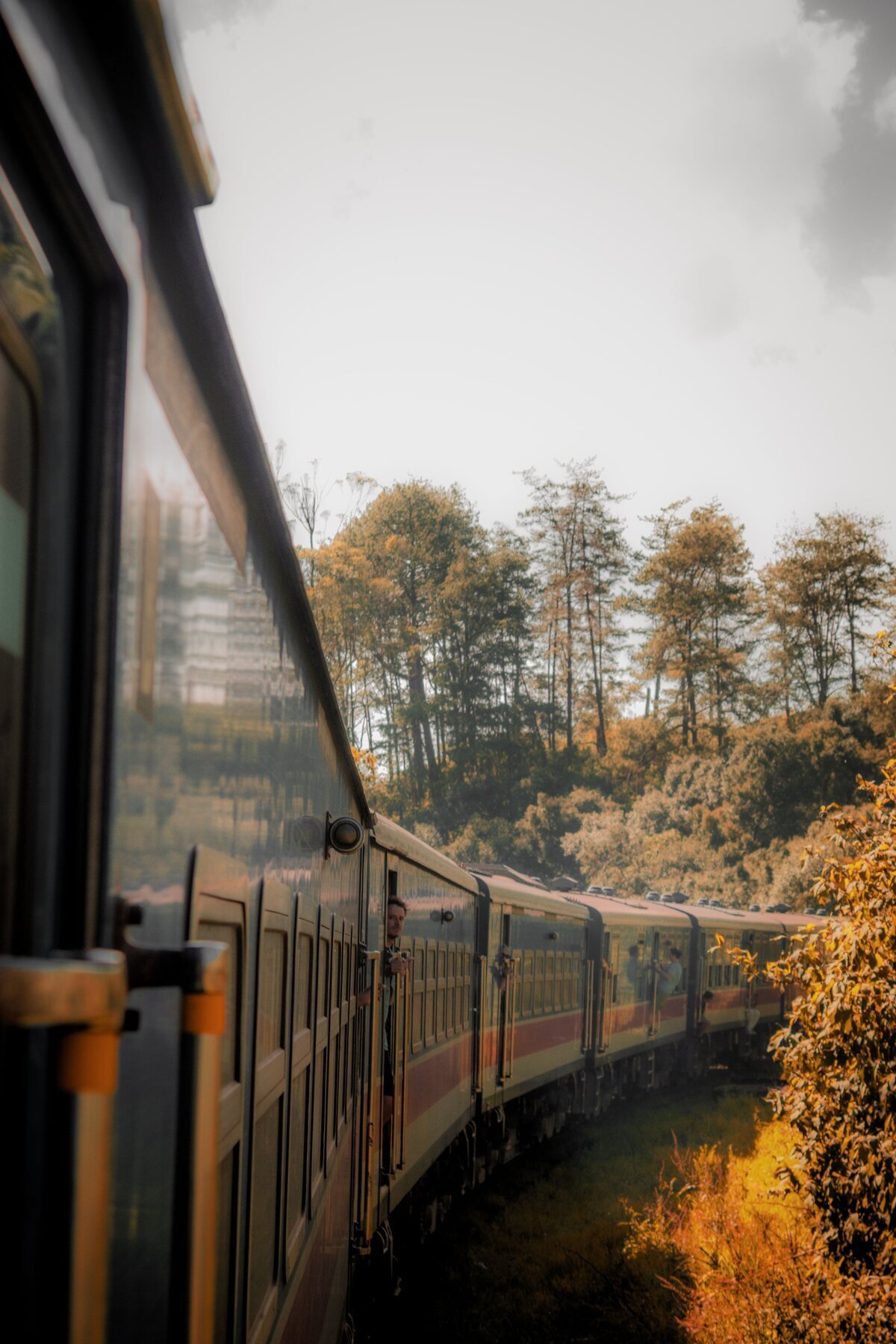
Which side has the best views?
There is no single correct side for the whole journey. Curves, reversals in direction, vegetation and changing valley positions move the better outlook from one side to the other. Advice about sitting left or right may apply only to a particular section or service orientation. Reserved seats also may not allow a choice.
Rather than expecting continuous open panoramas, watch for changing views beyond Kandy and remain considerate when moving through the carriage. Do not block doors, aisles or another passenger’s window. Open-door photographs are risky: sudden movement, trackside objects, tunnels and loss of balance can cause severe injury. Keep your body and belongings inside the train.
Food, water and luggage
Bring enough drinking water and simple food for a long day. Vendors may board or sell items at stations, but availability, hygiene and selection are inconsistent. Choose food that stores safely without refrigeration and pack waste until a bin is available. A small amount of cash is useful for station purchases.
Luggage storage is limited. A compact bag is easier to manage in crowded coaches and during quick boarding. Keep valuables, medication, documents and electronics in a small bag that stays with you. Do not place bags in doorways, and use a simple lock or strap where appropriate. Label luggage with contact details that do not reveal unnecessary personal information.
Safety and practical etiquette
Stand behind platform edges, cross tracks only at designated places and follow railway staff instructions. Trains may approach quietly or from an unexpected direction. Onboard, hold a stable rail when walking, particularly through curves or during braking. Families should keep children away from open windows and doors.
Keep the ticket until the journey is complete. Protect phones and wallets in crowds, and avoid displaying large amounts of cash. Dress for both warm lowlands and cooler highland air; a light layer and rain protection are useful. Mobile coverage may be intermittent, so download the ticket, route, accommodation address and essential contacts in advance.
What to do if trains are full or disrupted
If reserved seats are unavailable, consider travelling on a different day, reserving another class, boarding from Kandy after an overnight stay, or splitting the journey. Unreserved travel is possible on applicable services, but crowding can make the long trip tiring.
Road alternatives include scheduled buses, private cars and driver services. A bus is usually cheaper but may involve transfers and limited luggage space. A private vehicle costs more but provides schedule control and can stop en route. During disruption, confirm road conditions as heavy rain or landslides can affect both railway and roads. Do not assume a car will always be faster.
A realistic sample plan
- Several weeks ahead: Check the current timetable and official reservation availability. Compare a Colombo Fort departure with a Kandy stopover.
- The day before: Recheck service notices, ticket instructions and the weather. Download accommodation details and pack water, food and a warm layer.
- Departure morning: Reach Colombo Fort early, confirm the platform on the station board and ask staff if information conflicts.
- During the ride: Keep the ticket and valuables secure, make space for other passengers and expect views to alternate between sides.
- On arrival: Allow for a late arrival and use a pre-agreed pickup or a clearly identified local transport option.
Frequently asked questions
Can I travel from Colombo to Ella without a reservation?
Yes, when unreserved tickets are offered for the relevant train and class. A ticket allows travel but does not guarantee a seat. Crowding can be substantial, so this option is best for passengers comfortable with uncertainty and possibly standing.
Is first class always the best choice?
No. First class may be cooler and calmer, but sealed windows can affect photography. Second-class reserved is popular for assigned seating with a more open carriage experience. The best fit depends on comfort, budget and availability.
Should I start in Kandy instead of Colombo?
Start in Kandy if you want to visit the city or shorten the rail day. Start at Colombo Fort for the simplest single-origin journey. Confirm whether the selected service stops at Kandy or requires using Peradeniya Junction.
Can I choose the scenic side when booking?
Seat maps and side selection are not consistently available, and carriage orientation may change. Both sides receive worthwhile views on different sections, so a specific side should not be treated as essential.
Is the train reliable enough for a flight connection?
It is unwise to connect the same day to a flight with little margin. Delays can be significant, and Ella is far from Colombo-area airports. Plan an overnight buffer near the airport or in Colombo.
Conclusion
The Colombo to Ella rail journey works best with a reserved seat, a flexible arrival plan and realistic expectations. Confirm the train and booking through official Sri Lanka Railways channels, understand whether Kandy or Peradeniya is involved, and prepare for a full day with variable weather and delays. The landscape is a major attraction, but safe behaviour, considerate use of shared space and a workable backup matter just as much as the view.
Planning sources and editorial note
Last fact-check: 3 August 2026. This is a research-led planning guide, not a fabricated first-hand travel diary. Prices, schedules, entry rules and local conditions can change; confirm time-sensitive details with the official sources below before booking.
Related Travel Guides
Keep planning with these guides: Sri Lanka Travel Guide, 10-Day Sri Lanka Itinerary, Sigiriya Rock Fortress Guide.