
Petra is the most famous sight in Jordan and one of the great archaeological sites of the Middle East. The Nabataeans carved this city into pink sandstone cliffs more than two thousand years ago, and today you reach it on foot through a narrow canyon that opens onto the Treasury. This Petra travel guide explains where it is, how to get there, how to get around, where to stay, the best things to do, ticket basics and the best time to go. If you are building a longer trip, our Jordan itinerary shows how Petra fits with Amman, Wadi Rum and the Dead Sea.
In this guide:
- Where is Petra?
- How to get to Petra
- How to get around Petra
- Where to stay near Petra
- Best things to do in Petra
- Petra FAQ
- Tickets and entrance fees
- Best time to visit Petra
- How many days do you need?
- Tours and what to see next
Where Is Petra?
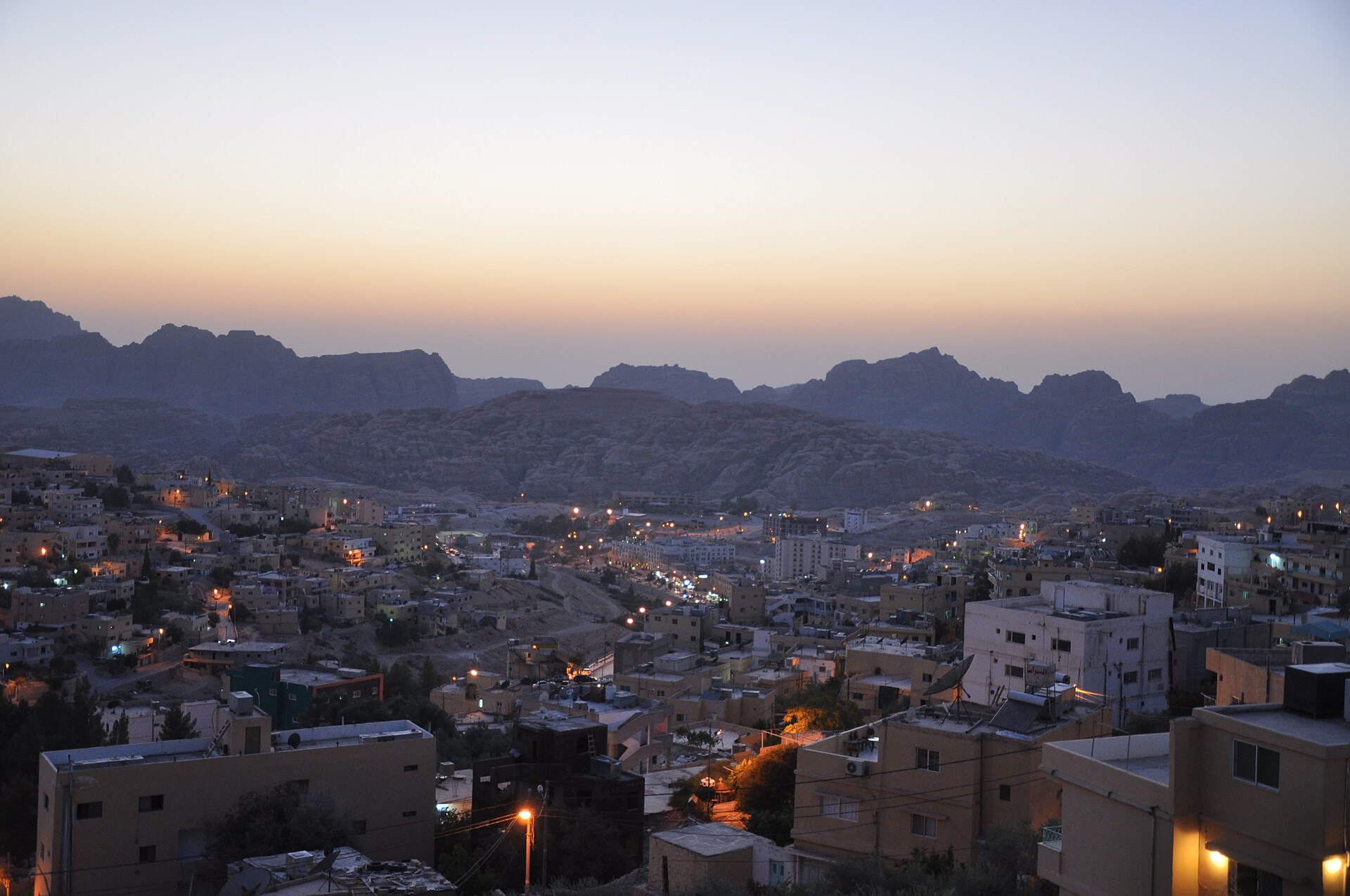
Petra is in southern Jordan, about 240 kilometres south of the capital Amman and roughly 120 kilometres north of the Red Sea port of Aqaba. The ancient city sits in a basin surrounded by mountains, and the modern town beside it is called Wadi Musa, which means Valley of Moses. Almost everything you need as a visitor, including hotels, restaurants, shops and the visitor centre, is in Wadi Musa.
The Nabataeans were a trading people who grew rich on the incense and spice routes that crossed Arabia. They made Petra their capital, cut tombs and temples into the cliffs, and built clever channels and cisterns to bring water into the desert. The Romans took over in the second century AD, and later earthquakes and shifting trade routes slowly emptied the city. It was not widely known in Europe until a Swiss explorer reached it in 1812. UNESCO listed it as a World Heritage Site in 1985, and in 2007 it was named one of the New Seven Wonders of the World.
How to Get to Petra
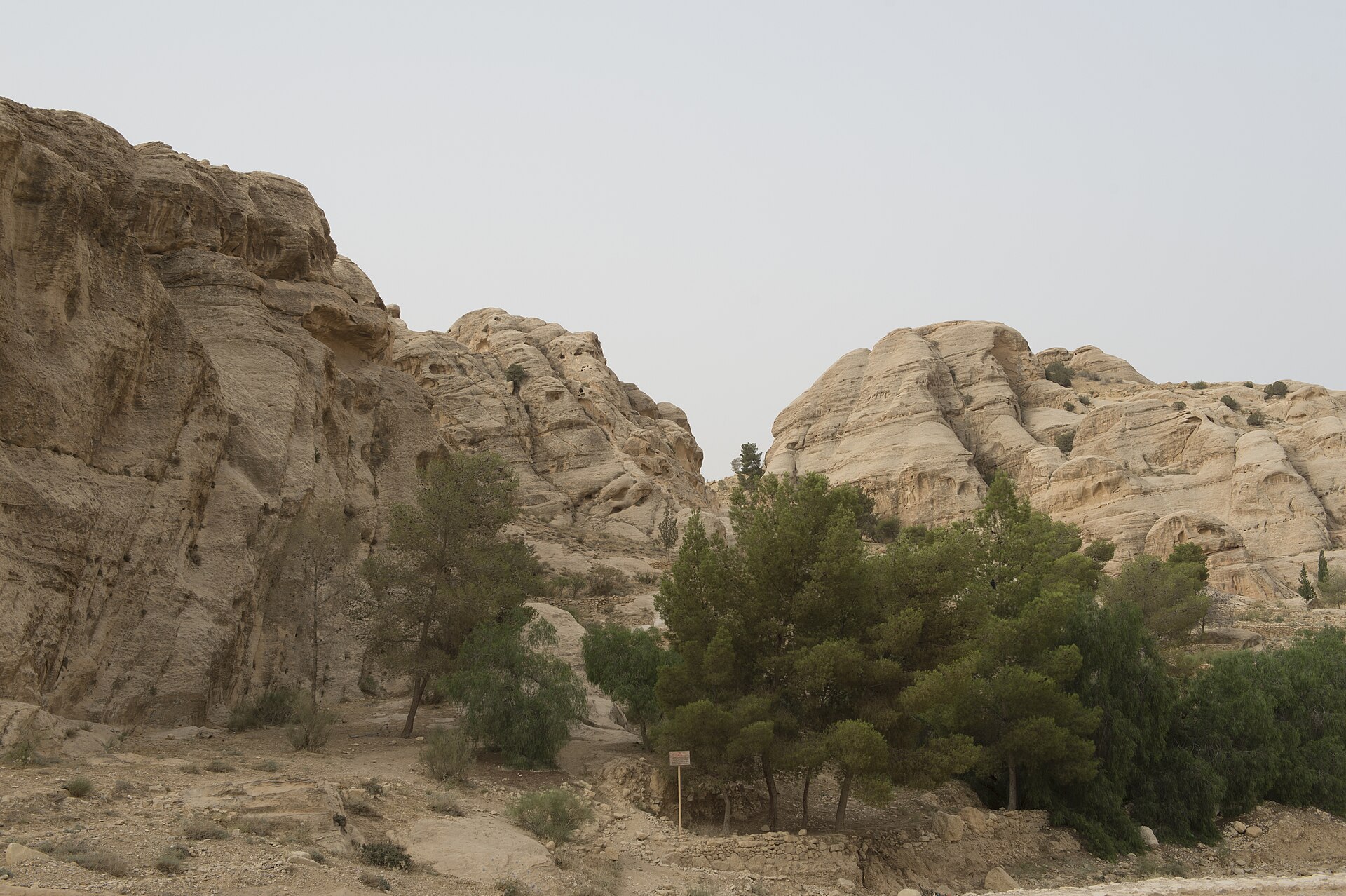
Most visitors arrive by road, because Petra has no airport of its own. These are the main options.
- From Amman: The drive takes about three hours. You can take the faster Desert Highway or the slower and more scenic King’s Highway, which passes Madaba, Mount Nebo and Kerak. A private driver or a rental car is the easiest choice. There is also a daily JETT bus from Amman to Wadi Musa that takes around three to four hours. Check the current timetable before you travel, because schedules change.
- From Aqaba: The journey takes about two hours by taxi, transfer or rental car. It is a good route if you are arriving by plane or ferry on the Red Sea coast.
- From Wadi Rum: Wadi Rum is only about one hour from Petra by car, so the two sights pair well in a single trip.
How to Get Around Petra
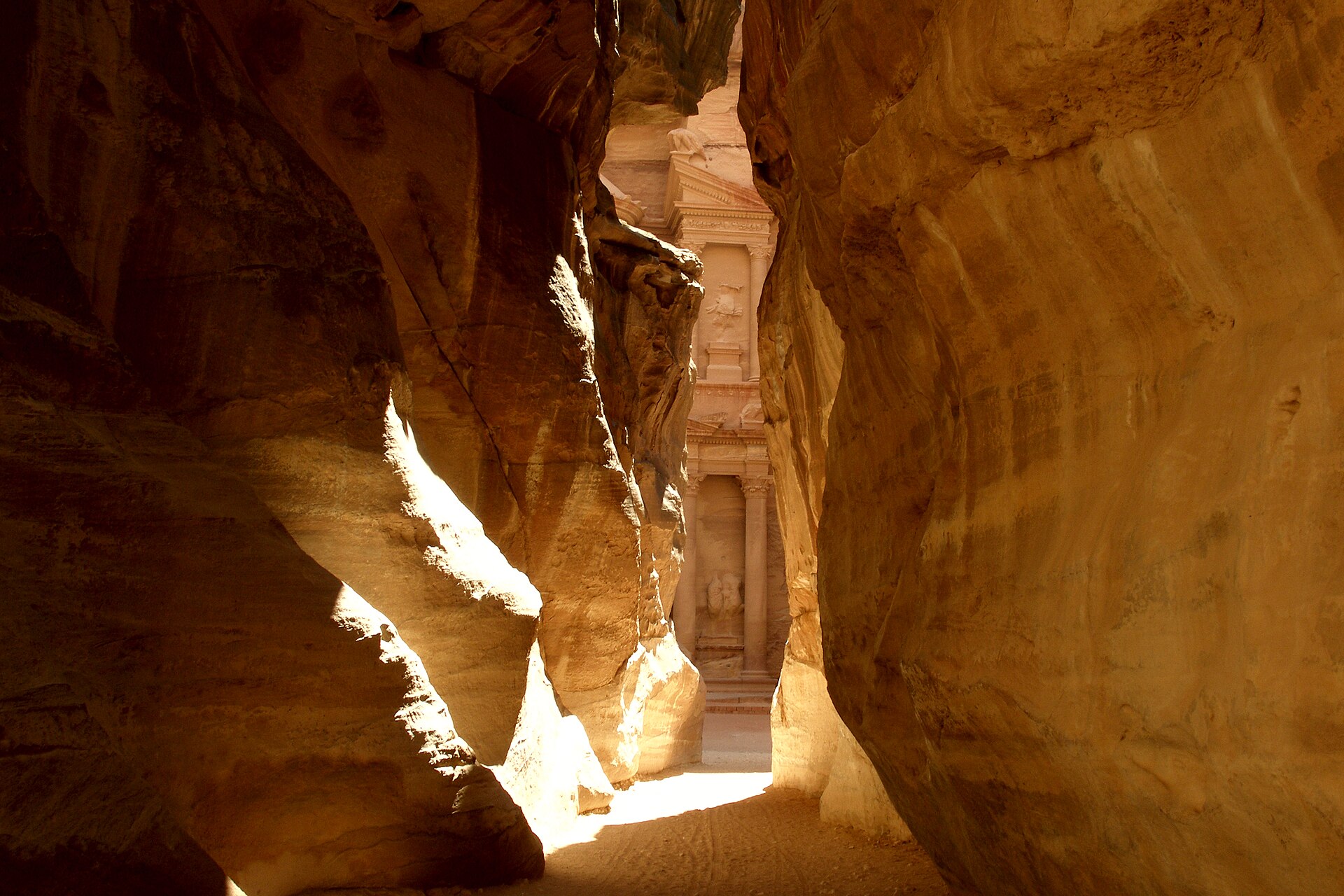
Petra is a large site, and nearly all of it is explored on foot. From the visitor centre the path to the Treasury is about 1.2 kilometres of mostly downhill walking through the Siq. The walk from the entrance to the far end of the main valley and back adds up to around 8 kilometres, and the climbs to the Monastery or the High Place of Sacrifice add more.
- On foot: The best way to see Petra, and it is how most people do it. Wear sturdy shoes, because the ground is uneven and there are many steps.
- Horses: A short horse ride along the first stretch of the path to the Siq entrance is often included in the ticket price. A tip for the handler is usual. Riding inside the Siq itself is not part of this.
- Horse carriages: These run through the Siq to the Treasury and are useful for people with limited mobility. Agree on the price first.
- Donkeys and camels: Locals offer rides up the steps to the Monastery and around the main valley. Treat the animals kindly, and avoid any that look thin or overloaded.
Inside the site there is little shade, so carry plenty of water. There are small cafes and stalls near the Treasury, the Colonnaded Street and the Monastery, and a restaurant near the Qasr al-Bint, but prices are higher than in town.
Where to Stay Near Petra
Wadi Musa is the obvious base. Hotels stretch from the Petra visitor centre uphill into the town. Staying close to the gate lets you start early and come back for a rest at midday, which makes a real difference in hot weather. There are simple hostels, family-run guesthouses, comfortable mid-range hotels and a handful of luxury properties. If you want to see Petra by Night, a hotel within walking distance of the gate is practical.
Best Things to Do in Petra
Walk Through the Siq
The Siq is the dramatic entrance to Petra. This natural gorge is about 1.2 kilometres long, and in places its walls rise more than 80 metres on each side while the passage narrows to just a few metres. Look for the remains of the ancient water channels along the walls and for the carved niches where travellers once left offerings. The colour of the stone changes from pink to orange to deep red as the light moves.
See the Treasury
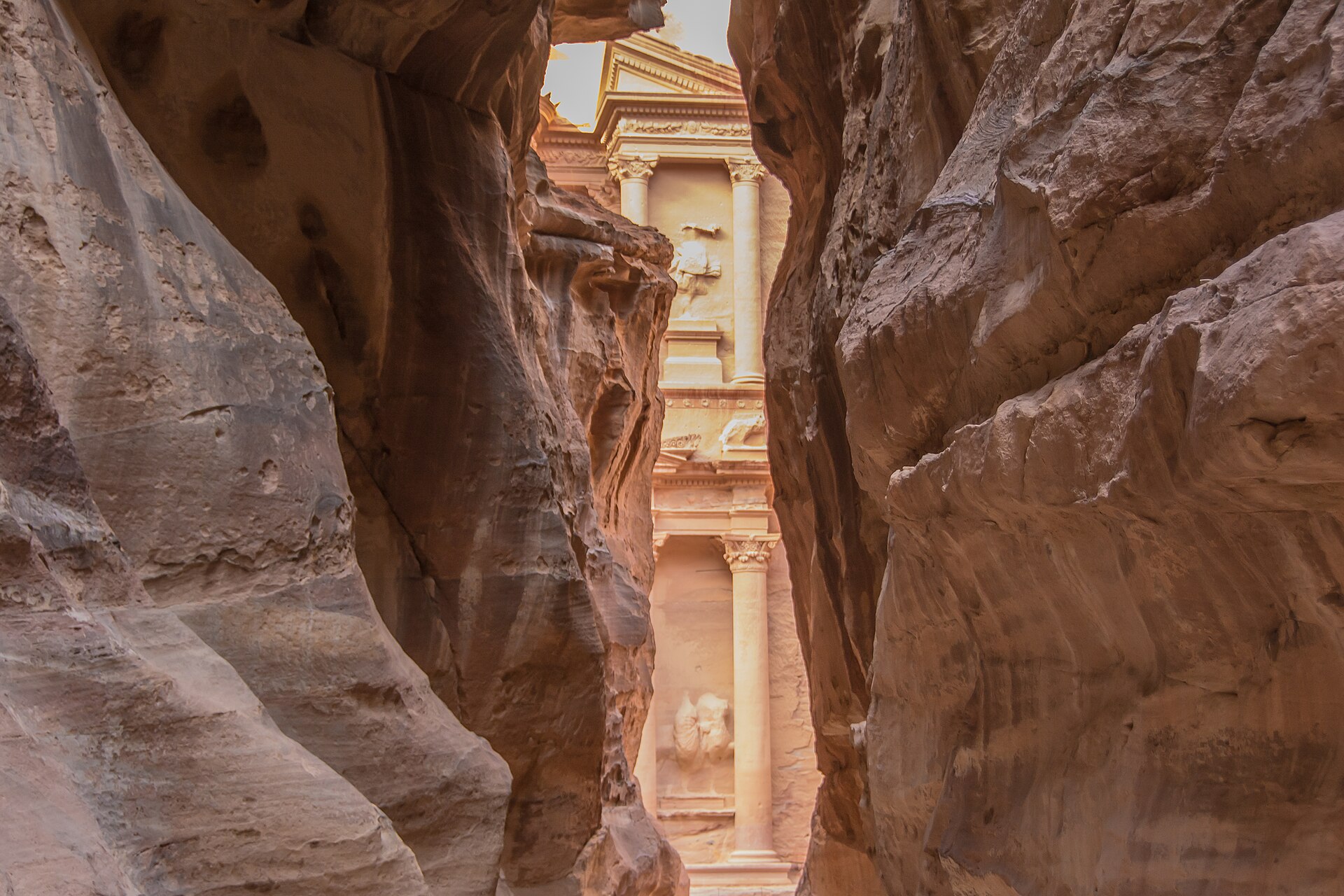
The Siq ends with a view that surprises almost everyone. The Treasury, known locally as Al-Khazneh, appears through a gap in the rock, about 40 metres tall and carved straight into the cliff. It was probably built in the first century BC or AD as a royal tomb, and the name comes from a local legend that bandits hid treasure in the urn at the top. You cannot go inside the main chamber, but the facade is the reason most people come. Arrive early to see it with fewer people.
Explore the Street of Facades and the Royal Tombs
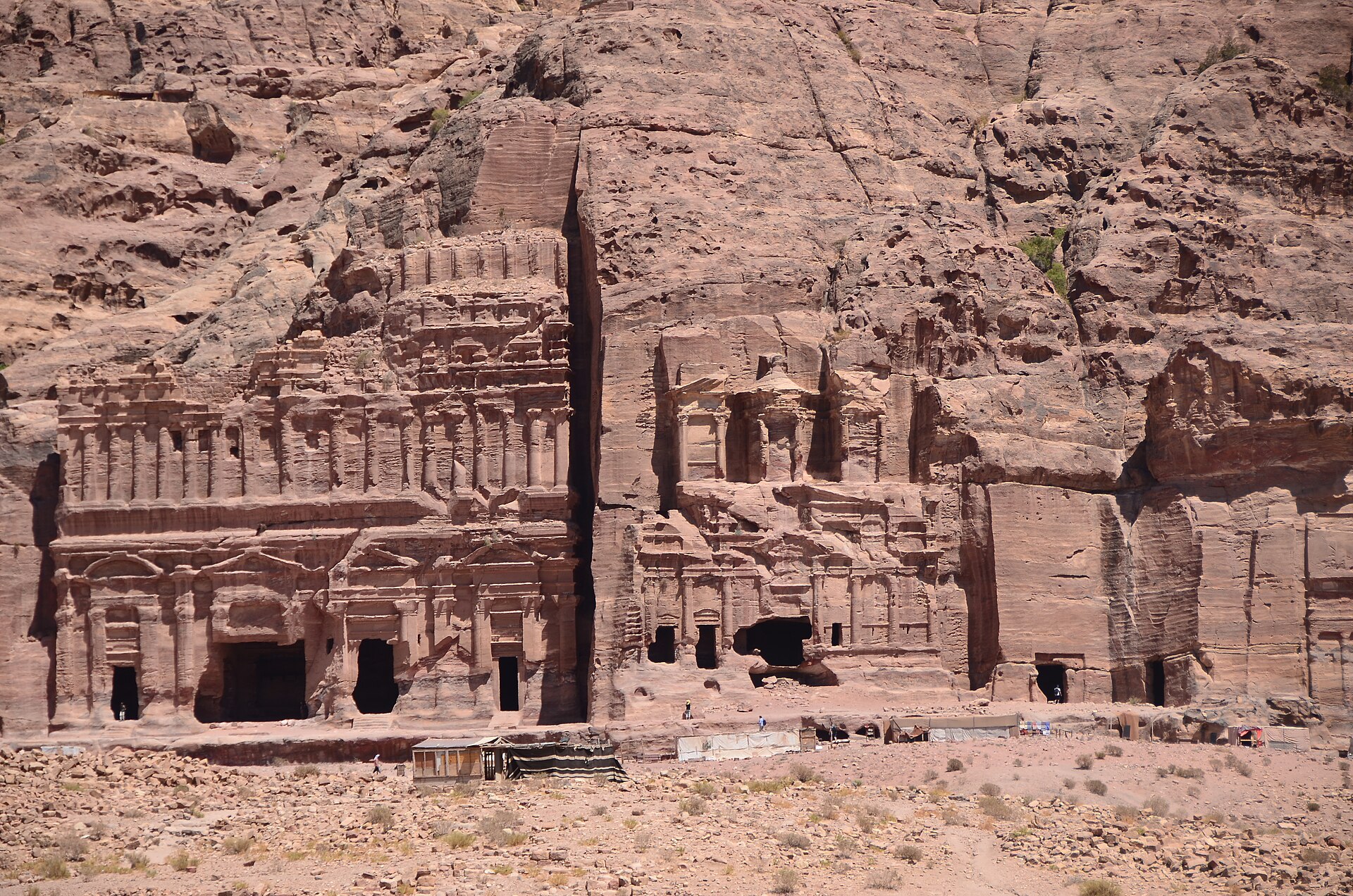
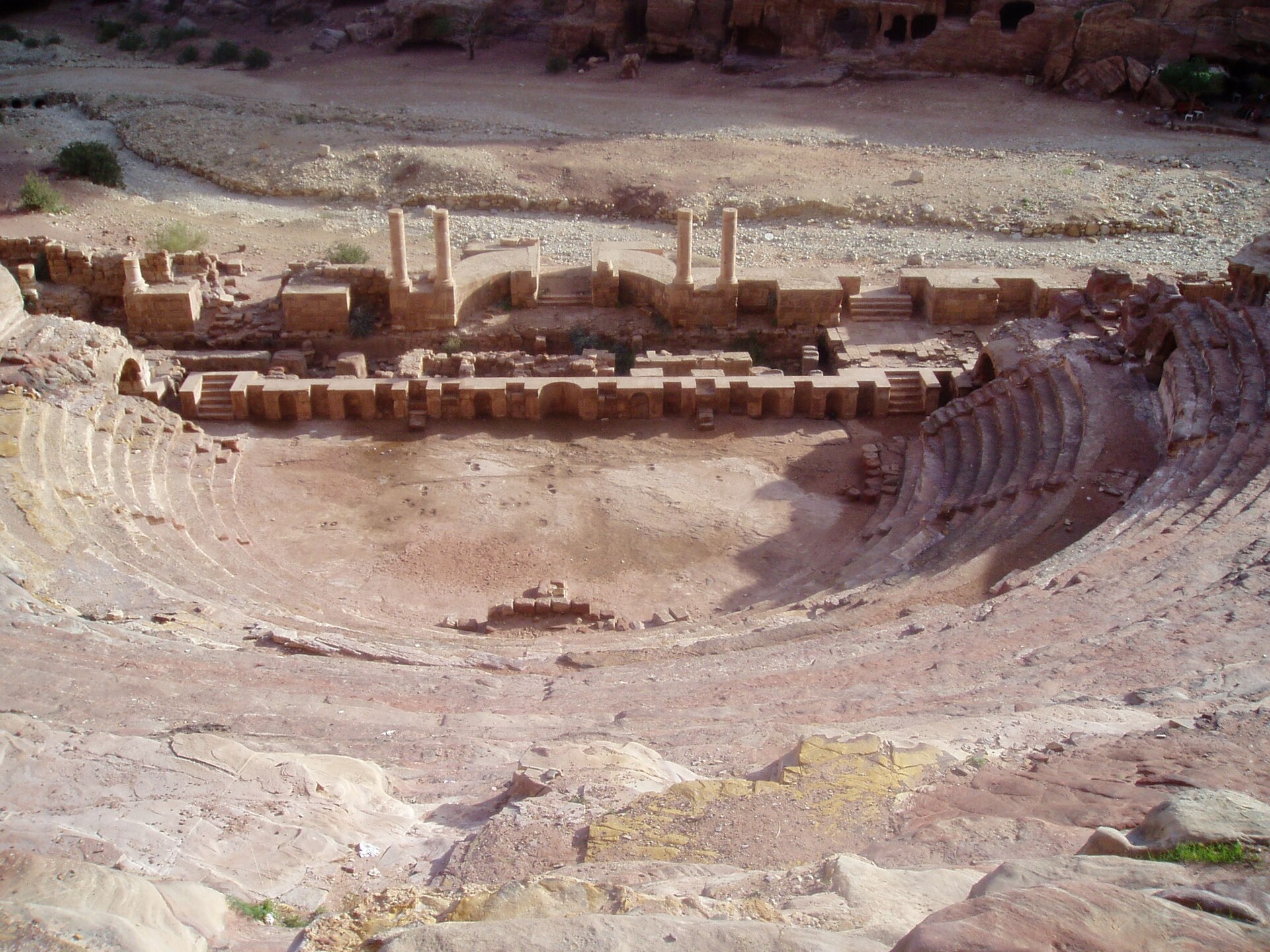
Past the Treasury the valley widens into the Street of Facades, a row of tombs cut into the rock. At the Roman Theatre the path bends toward the Royal Tombs, a group of grand monuments on the cliff face. They include the Urn Tomb, the Silk Tomb, the Corinthian Tomb and the Palace Tomb. You can climb up to some of them for views over the valley, and the bands of colour in the sandstone are especially vivid here.
Walk the Colonnaded Street
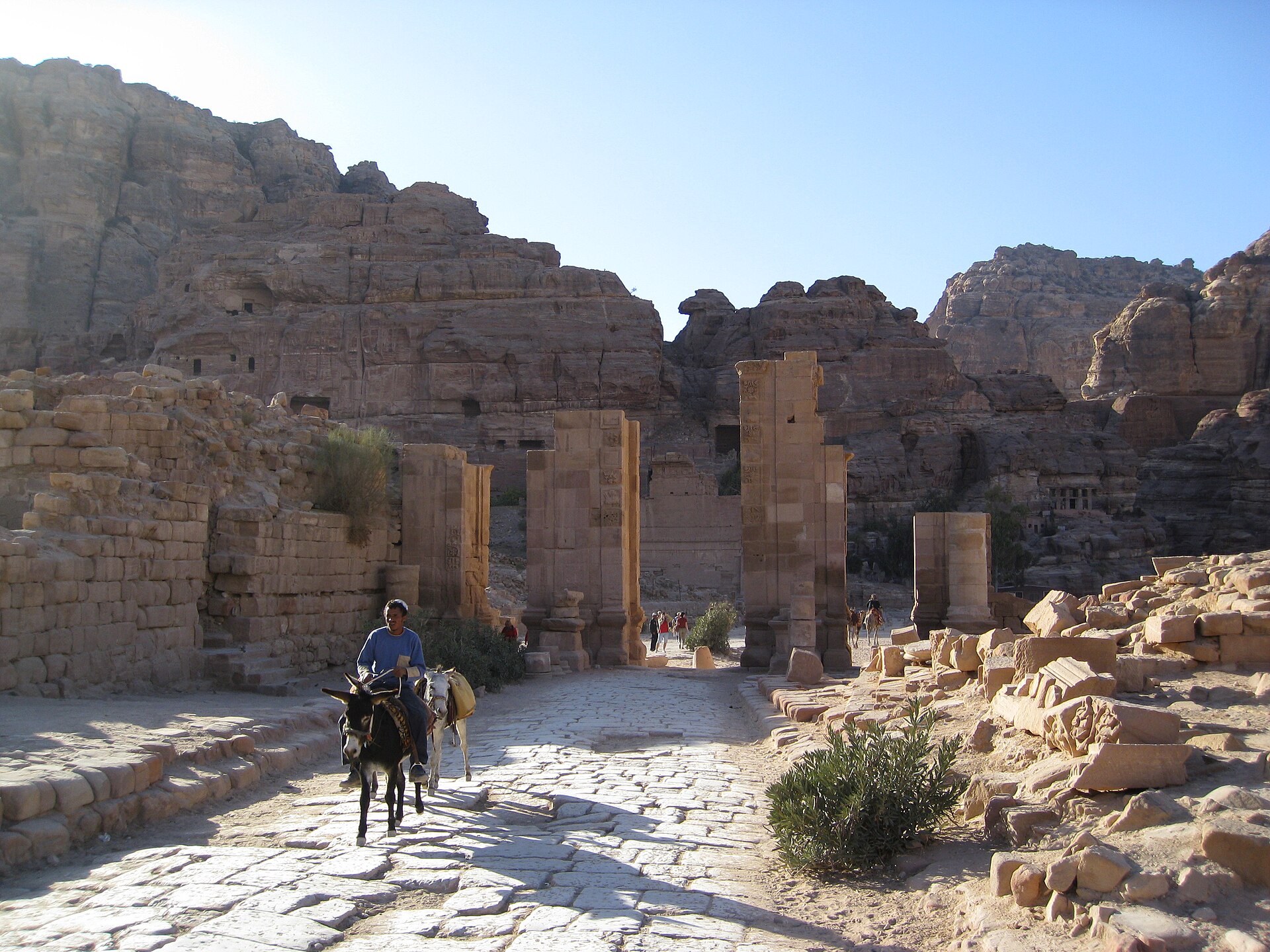
The centre of the ancient city has a paved street lined with columns, built when the Romans ruled the region. Around it you will find the remains of markets, the Great Temple and a Byzantine church with mosaic floors. The area is more open than the Siq, so go in the morning or late afternoon to avoid the worst of the heat.
Visit Qasr al-Bint
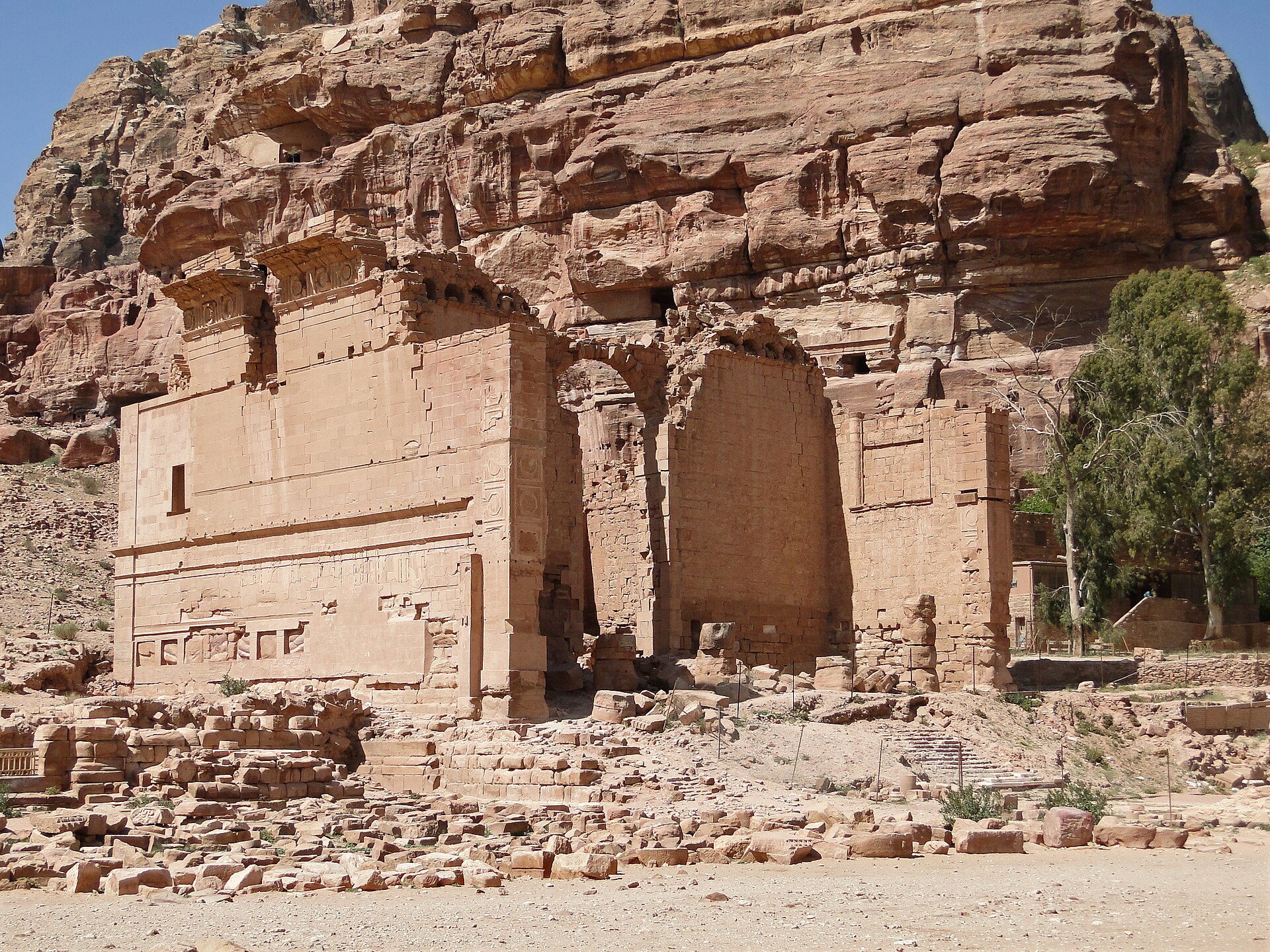
Qasr al-Bint is one of the few freestanding buildings in Petra to survive in good shape. It was a major Nabataean temple, and the thick walls and large doorway show the scale of the original building. It sits near the end of the main valley, and most visitors turn back from here or continue to the Monastery.
Climb to the Monastery
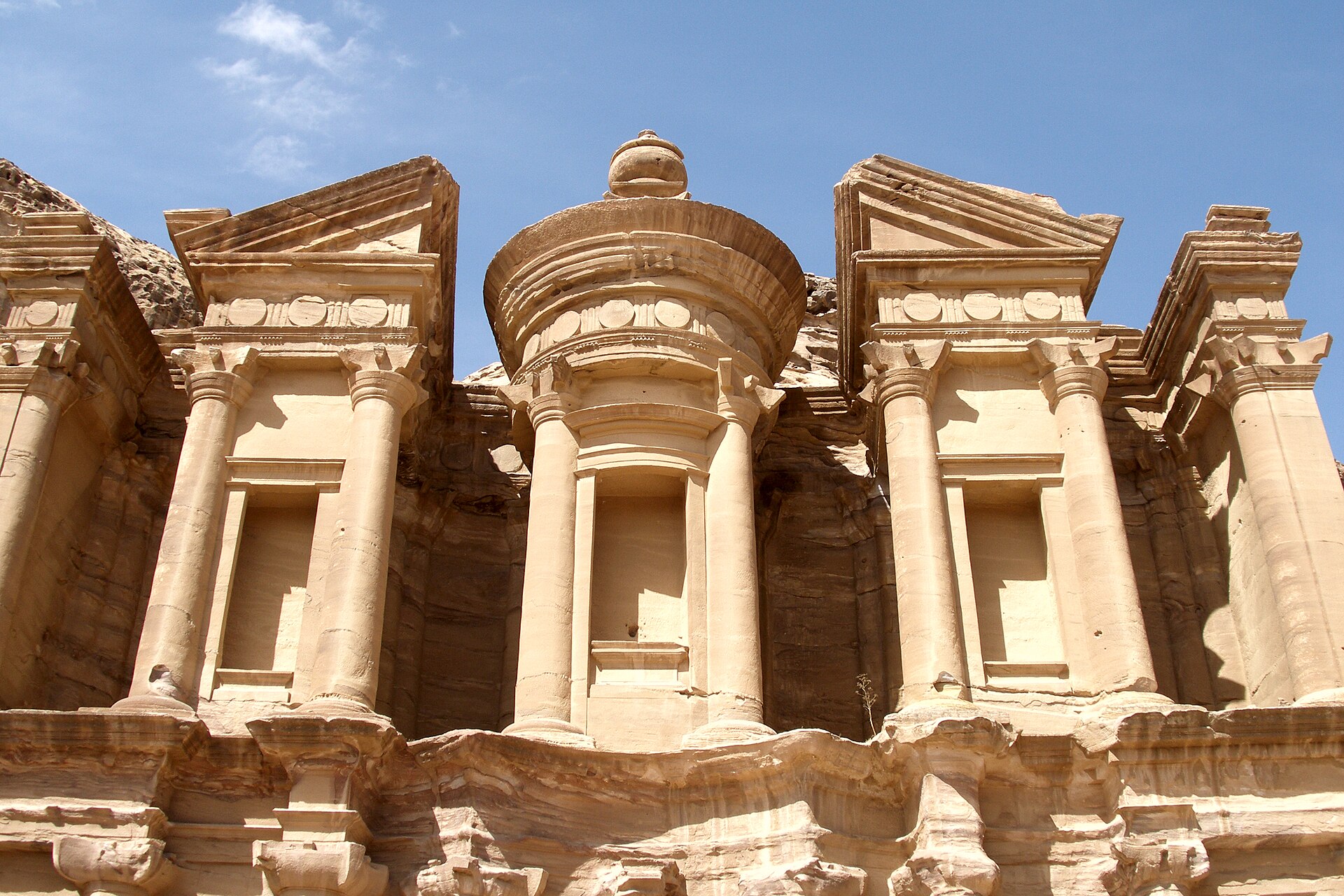
Ad Deir, the Monastery, is the other great monument at Petra. It is bigger than the Treasury, about 47 metres wide and 48 metres high, and it feels wilder because it stands alone at the top of a long climb. The trail has about 800 rock-cut steps, and it takes roughly an hour to an hour and a half each way for a fit walker. Start in the morning, carry water and rest when you need to. The facade is lit best in the afternoon, so many visitors do the climb after lunch.
Hike to the High Place of Sacrifice
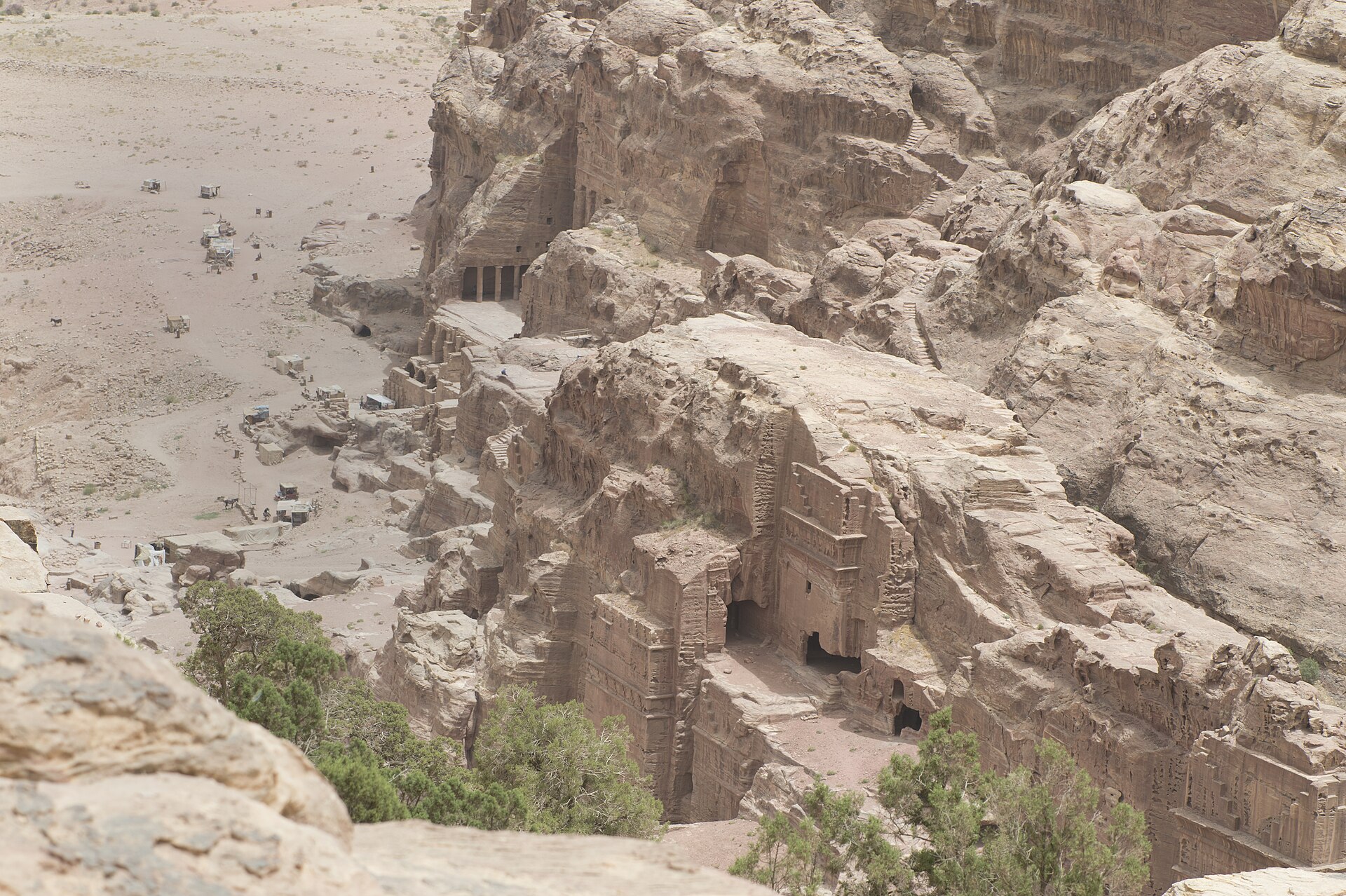
A steep path of stone steps climbs from near the Theatre to the High Place of Sacrifice, an altar area on a mountain top. The effort is rewarded with wide views over the city and surrounding hills. You can then continue down by a different trail that passes tombs and a hidden garden, and it brings you back into the valley near the Colonnaded Street. This loop is one of the most rewarding walks in Petra.
Petra by Night
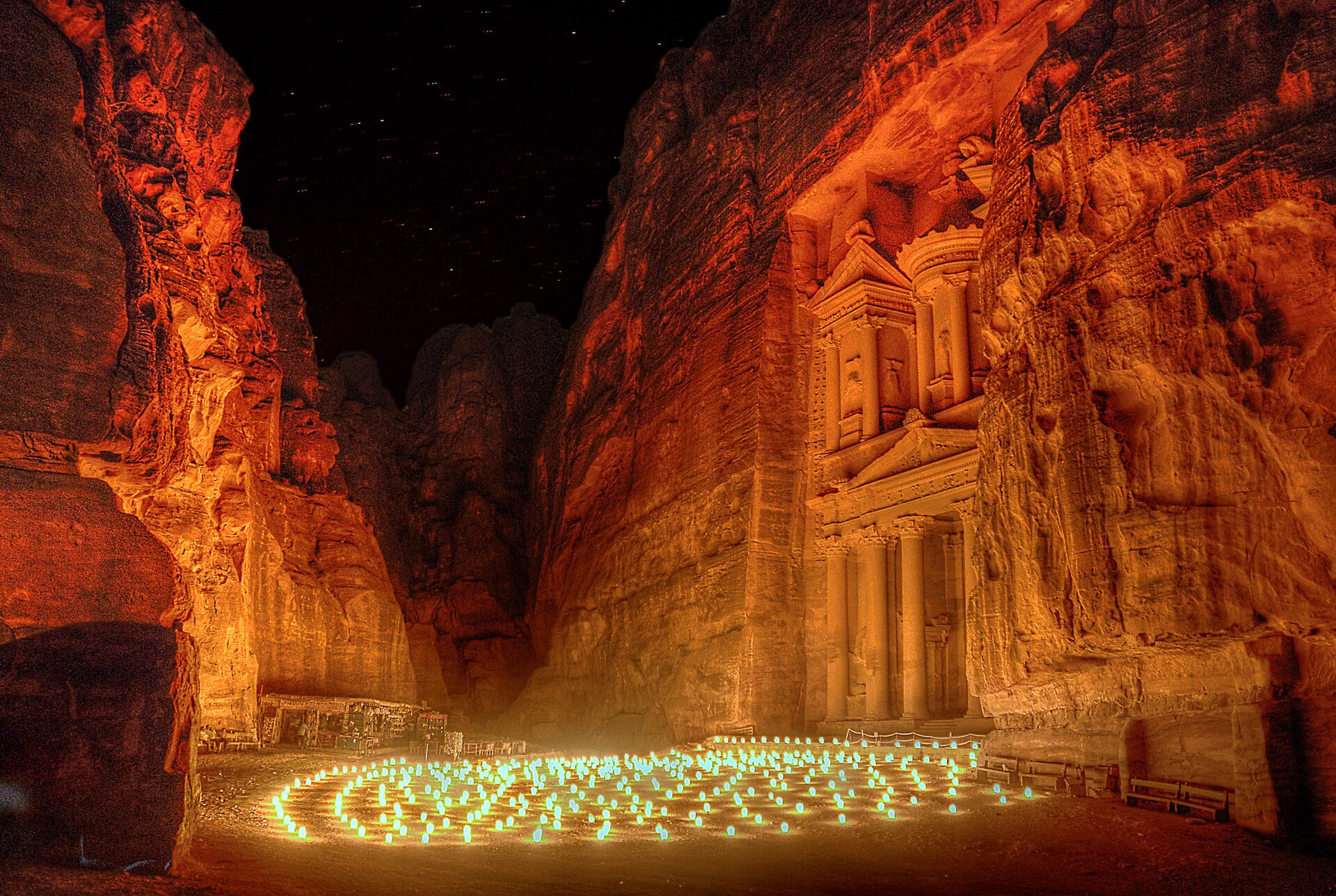
On certain evenings the path through the Siq is lit with hundreds of candles, and visitors sit in front of the Treasury for music and stories. The event runs on a few set nights each week, and it needs a separate ticket. Check the current schedule at the visitor centre.
Little Petra
About ten minutes by car north of Wadi Musa, Little Petra, also called Siq al-Berid, is a smaller Nabataean site with carved rooms in a short canyon. It is free to enter in most cases, much quieter than the main site, and good for a short stop at the end of the day.
Petra FAQ
Is Petra worth visiting?
Yes. Few places combine such a dramatic setting, a long history and so many things to explore on foot. It is easily the highlight of most Jordan trips.
Is Petra safe?
Petra and Wadi Musa are popular with visitors from all over the world and are generally safe. The main risks are heat, dehydration and uneven steps. As in any busy tourist place, be polite but firm with sellers, and keep your valuables close. Check your government’s travel advice before you go.
How hard is the walk?
The Siq and the main valley are easy to moderate, but the full day adds up to a long distance. The Monastery climb and the High Place of Sacrifice are more demanding. Take your time and rest in the shade.
Tickets and Entrance Fees
You pay at the visitor centre in Wadi Musa. Fees depend on whether you are a day visitor or an overnight guest, and prices for one-, two- and three-day tickets differ, so check the current figures on the official Jordan tourism pages. Day trippers who do not sleep in Jordan pay more than those who stay in the country overnight.
Many travellers buy a Jordan Pass before they arrive. It combines the tourist visa fee with entry to Petra and dozens of other sites, and it is usually good value if you stay at least three nights and plan to visit more than one attraction. Read the current terms on the official Jordan Pass website, because conditions and prices are updated from time to time. The Petra by Night ticket is separate, and children sometimes have reduced entry.
Best Time to Visit Petra
Spring, from March to May, and autumn, from September to November, are the best seasons. Days are warm rather than hot, and the light is clear. Summer is very hot in the open valley, with little shade, so start at sunrise and finish by midday if you come then. Winter is cool and can be wet, and occasional rain can cause flash floods in the Siq, which can briefly close the site. Even so, winter has fewer visitors and some of the best light for photographs.
How Many Days Do You Need?
One full day is the minimum, and it lets you walk the Siq, see the Treasury, the Royal Tombs and the Colonnaded Street, and perhaps climb to the Monastery if you are fit. Two days is better. You can spend the first day on the main valley and the High Place of Sacrifice, then use the second for the Monastery, the viewpoint above the Treasury and Little Petra at a relaxed pace. A third day lets you add the back trails and a visit to Wadi Rum or the Dana area.
Tours and What to See Next
You can explore Petra on your own, but a licensed local guide adds a great deal. Agree on the price and the length of the tour before you start, and choose guides who are registered at the visitor centre. Small-group and private tours from Amman, Aqaba or Wadi Musa are also available if you prefer not to arrange transport yourself.
After Petra, most travellers continue to Wadi Rum for a night in a desert camp, and then on to Aqaba or the Dead Sea. For a wider view of the region, see our guides to the things to do in Egypt and our Jordan itinerary.