

A beach holiday looks easy to pack for: swimsuit, sunscreen, flip-flops and you are done. But anyone who has arrived on a remote island without a hat, reef-safe sunscreen or a way to keep their phone dry knows the small things make the difference between a relaxing week and an annoying one. This beach holiday packing list covers clothing, sun protection, beach gear, health items, electronics and extras for families, plus tips for different types of beach trips, from resort stays to snorkelling islands and surf towns. Use it as a checklist and adapt it to your destination, your activities and the season.
In this guide:
- Before you pack
- Clothing
- Sun protection
- Beach and water gear
- Health and toiletries
- Electronics and documents
- Packing for children
- Different types of beach trips
- Respect the beach and the reef
- FAQ
Before You Pack
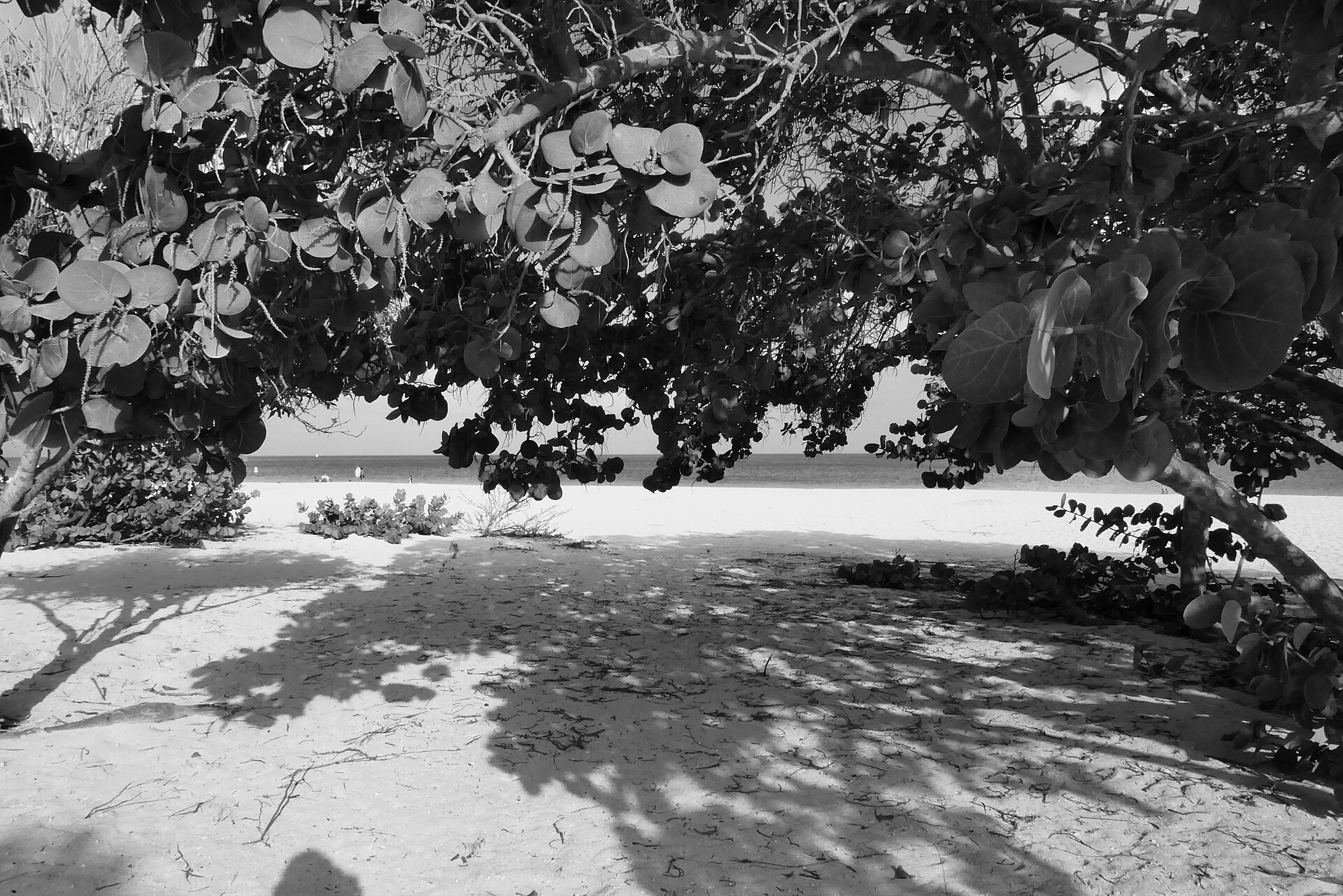
Check the weather and the local rules first. Tropical destinations may have a rainy season, strong winds or jellyfish in some months, and some beaches require modest clothing away from the sand. Look at your accommodation: a resort often supplies towels and sunbeds, while a guesthouse might not. Find out if you can buy items such as sunscreen, snorkels or beach shoes cheaply at the destination, because many places sell them, though prices at tourist resorts can be high. Then lay out everything, and pack in layers: swimwear and sun protection at the top, so that you can reach them when you arrive.
Clothing
Pack light, quick-drying and loose-fitting clothes that you can mix and match.
- 2 to 3 swimsuits or trunks so that one dries while you wear another
- 1 or 2 cover-ups, sarongs or light shirts for walking from the beach
- 4 to 5 light tops and 2 to 3 pairs of shorts or skirts
- 1 or 2 outfits for evenings, with a light long-sleeved top or shawl against mosquitoes and cool breezes
- 1 light trousers or long skirt, which is useful in markets, temples and mosques
- A rash guard or sun shirt for snorkelling, surfing and children
- Underwear and a few pairs of socks for flights and walks
- A light rain jacket in the wet season
- Flip-flops or sandals, plus water shoes if the beach is rocky or you will walk on coral rubble, and one pair of closed shoes for day trips
Choose dark colours that hide sand and dry quickly, or light colours that reflect heat, depending on your climate. Pack a small laundry bag for wet and sandy items, so they do not spoil clean clothes.
Sun Protection
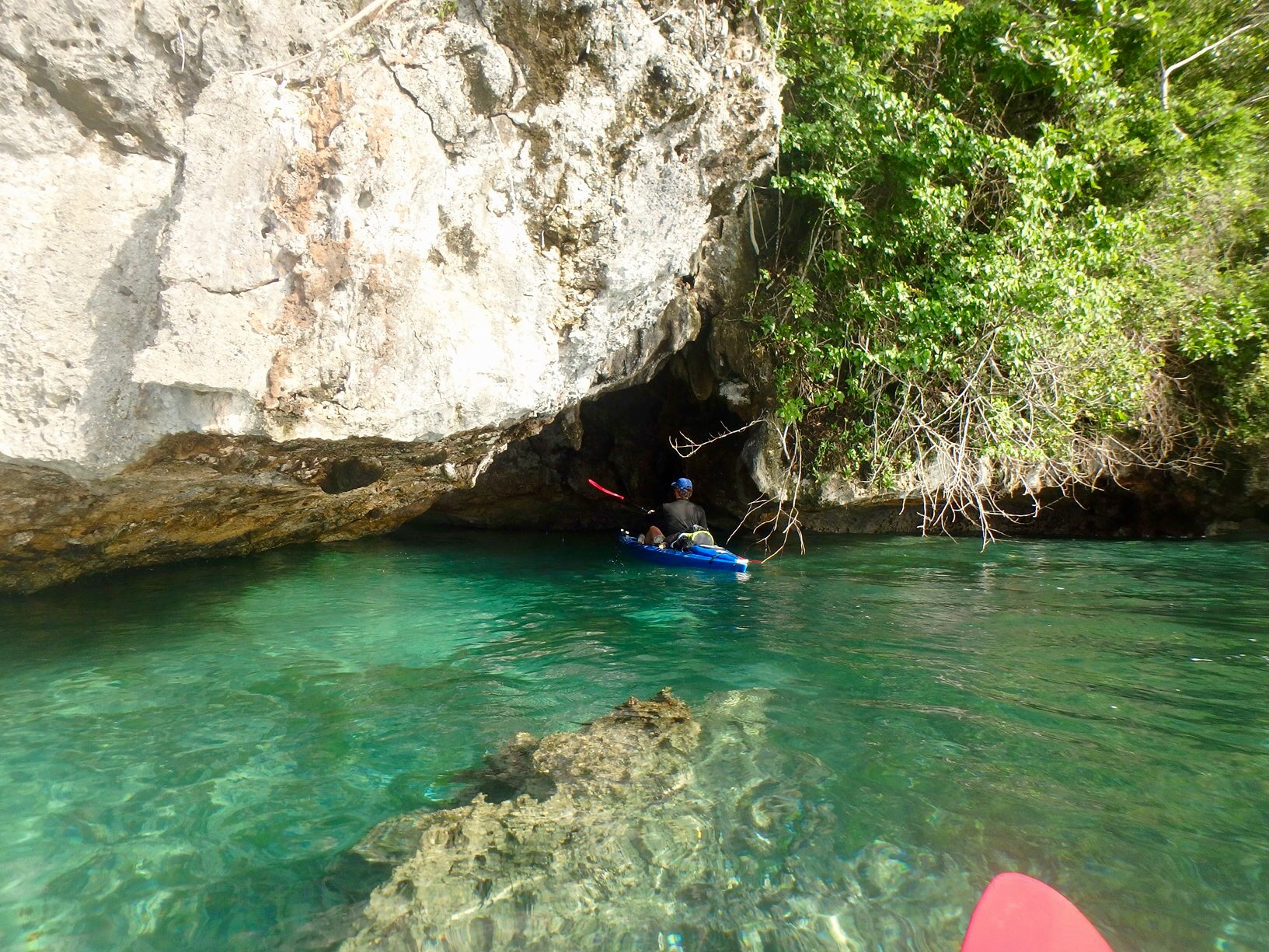
The tropical sun is stronger than most people expect, and a bad sunburn can ruin several days. Use a broad-spectrum sunscreen with at least SPF 30, preferably SPF 50, and reapply every two hours and after swimming. In many places, such as Palau and parts of Thailand and Mexico, reef-safe sunscreen is recommended or required, because some chemicals harm corals. Check the label and local rules. Add a wide-brimmed hat or cap, UV-protective sunglasses, lip balm with SPF and an after-sun gel or aloe vera. Plan the middle of the day for shade, lunch or a nap.
Beach and Water Gear
- A quick-dry microfibre towel, which is lighter and smaller than a cotton one
- A dry bag or waterproof pouch for your phone, cards and keys
- A snorkel, mask and fins if you plan to snorkel often, or at least a mask and snorkel for hygiene and fit
- A small beach bag with a zip, and a lightweight mat or sarong to sit on
- A reusable water bottle with an insulated lid, and snacks
- A beach umbrella if the beach has no shade and you travel with children
- Goggles for swimming and a waterproof camera or action camera
- Zip bags for wet swimwear
Many resorts and dive shops rent gear, which can be better than carrying it, particularly fins and boards. Check the rental prices and quality before you decide.
Health and Toiletries
Bring a small first aid kit with plasters, antiseptic, pain relief, antihistamine tablets, a basic anti-diarrhoea remedy, oral rehydration salts and any prescription medicines in their original packaging. Add insect repellent for mosquitoes and sandflies, motion sickness tablets if you plan boat trips, and eardrops or earplugs for swimmers. Toiletries should include a mild shampoo, moisturiser and a comb that will cope with salt water. Shaving and salon items can wait, because salt and chlorine dry your skin and hair, so pack a leave-in conditioner or hair oil. Women may want menstrual products suitable for swimming.
Electronics and Documents
- Phone, charger, power bank and a universal adapter
- Waterproof phone case, and a floating strap if you will be on boats
- Passport, visas, travel insurance details and bookings, with copies stored offline
- Credit cards and some local cash for small beach shops and boat fares
- Headphones and downloaded entertainment for flights
- A basic camera or action camera, with extra memory cards
Sand and salt are harsh on electronics, so keep devices in a case or bag, rinse waterproof gear in fresh water after use and avoid leaving phones in the sun, where they overheat.
Packing for Children
Children need extra sun protection and entertainment. Bring UV swimsuits, hats with neck flaps and a high-factor child-friendly sunscreen. Pack a small bucket and spade, floaties or a life jacket approved for the activity, a change of clothes in the beach bag and snacks. Take a lightweight foldable pushchair or carrier if your children are small and a small first aid kit with child-safe medicines. Always supervise children near water, even if lifeguards are present, and teach them the beach flag colours.
Different Types of Beach Trips
Resort Stay
You can pack lighter on clothes because laundry is easy and you will not move much. Check what the resort provides, such as towels and snorkel gear, and bring smart casual clothes for dinner.
Island Hopping and Snorkelling
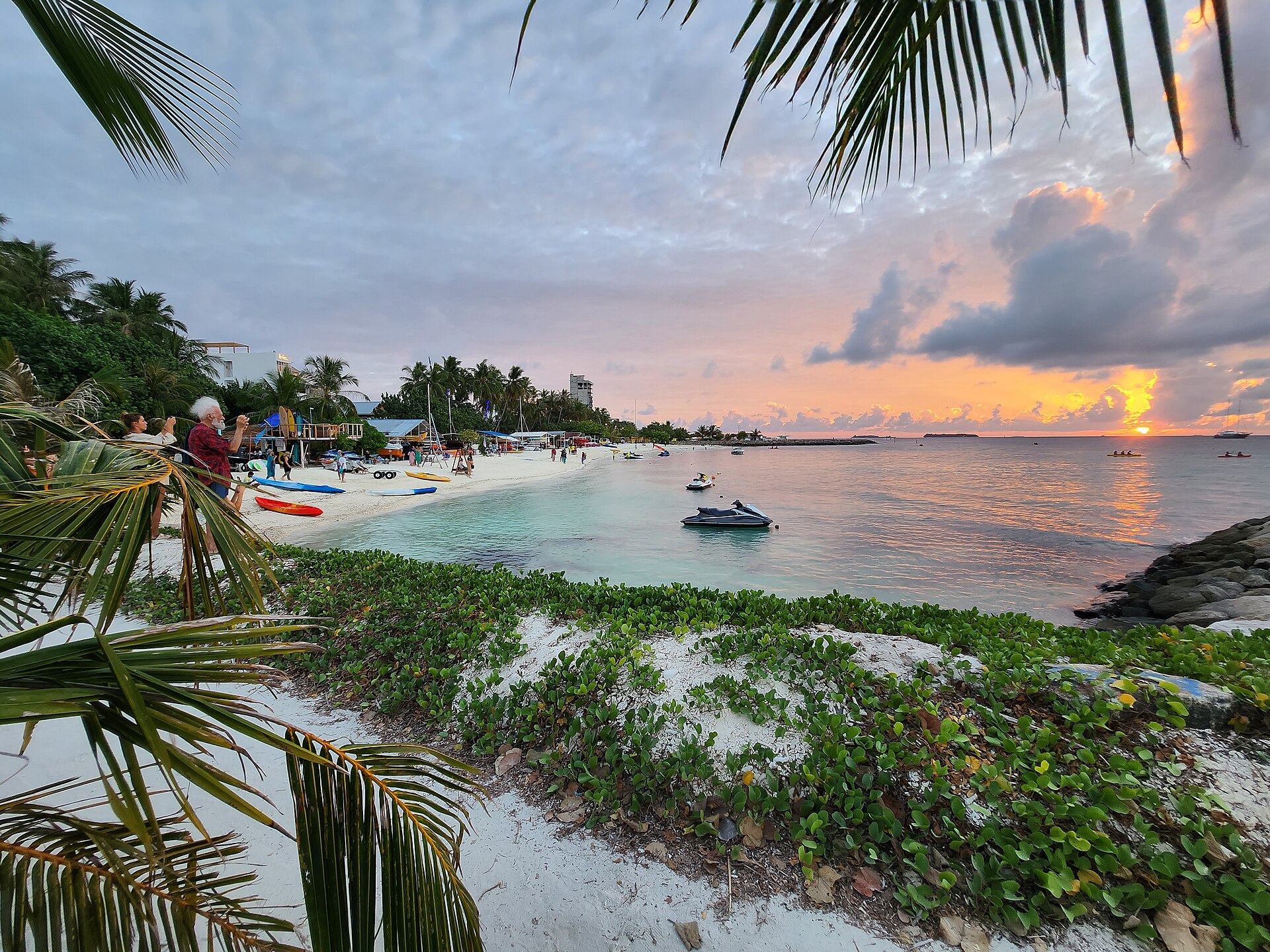
Choose a dry bag, quick-dry clothing, a rash guard and water shoes. Boats can be bumpy and wet, so keep valuables sealed. Bring cash for small islands, because card machines are rare. Our guide to the Palau Rock Islands tour shows what a typical island-hopping day looks like.
Surf Towns
Pack board shorts or a bikini designed for surfing, a rash guard, reef booties if the break is rocky, wax or a rental plan and a hoodie for cool evenings. Most surf shops rent boards.
Beach and City Combination
Mix swimwear with city outfits, wear comfortable shoes for walking, and pack a daypack so that you can go from the sea to sightseeing easily.
Printable Quick Checklist
- Swimwear x2 or 3, cover-up, hat, sunglasses
- Sunscreen, lip balm, after-sun gel, insect repellent
- Quick-dry towel, dry bag, reusable bottle, beach bag
- Sandals, water shoes and one pair of closed shoes
- First aid kit, medicines, motion sickness tablets
- Phone, charger, power bank, adapter, waterproof case
- Passport, insurance, cards and some cash
- A light jacket or shawl for evenings and air-conditioned places
Packing Mistakes to Avoid
Do not pack too many outfits, because you will spend most of the day in swimwear and a cover-up. Do not forget a charger for your waterproof camera, and do not pack valuables in a beach bag that you leave on the sand. Many travellers also underestimate how much sunscreen they need, and they end up paying resort prices. Finally, avoid bringing expensive jewellery to the beach, where it can be lost in the sea or stolen. A simple, light and organised bag lets you enjoy the trip and makes the journey home easier, with room for souvenirs.
Respect the Beach and the Reef
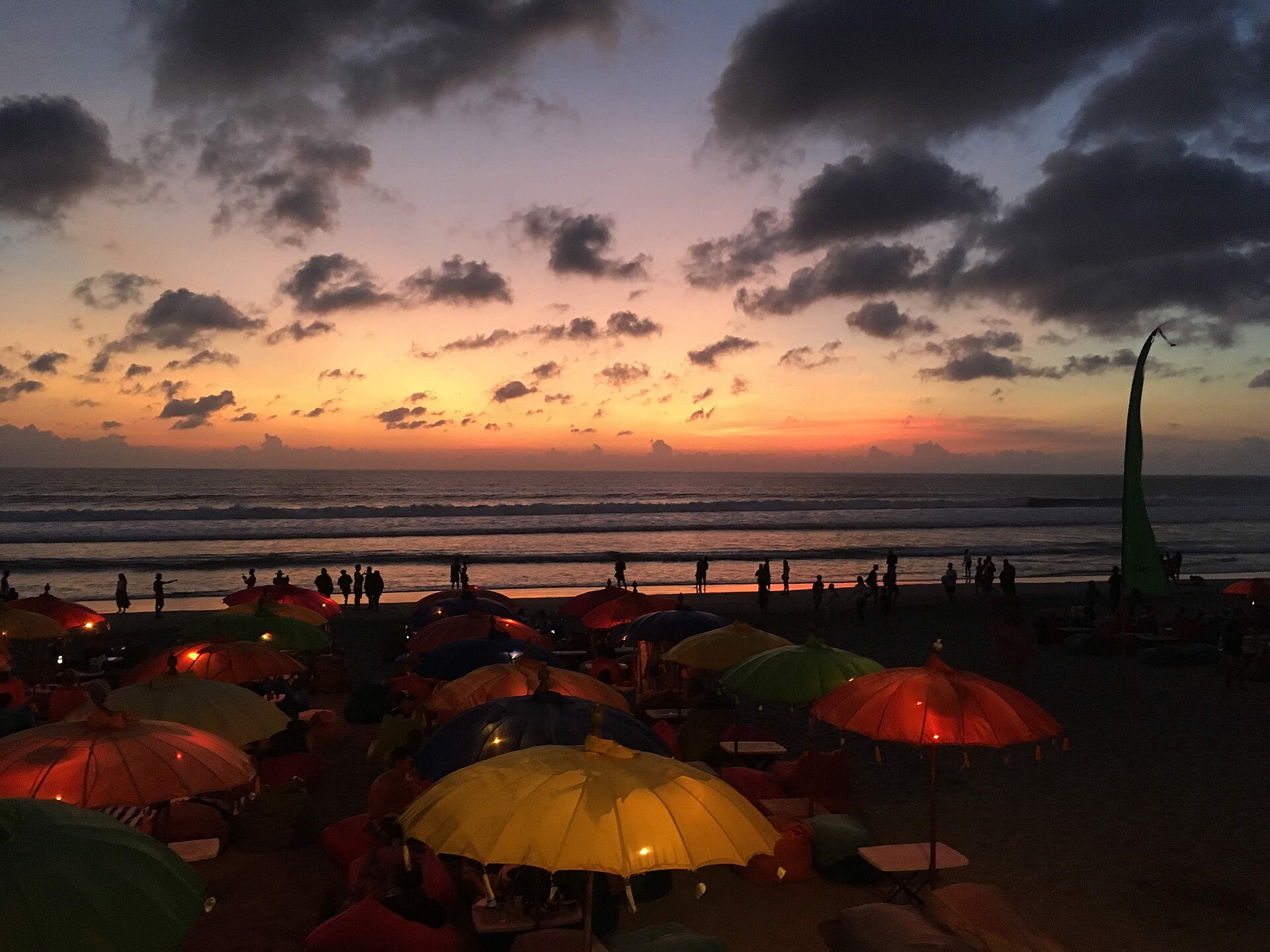
Take all your rubbish with you, and avoid single-use plastics where possible. Do not touch or stand on coral, feed fish or take shells and sand away. Keep a respectful distance from turtles, sharks and other wildlife, and follow local rules about nesting areas. Dress modestly in local villages, and ask before taking photos of people. When you leave the beach, shake out your towel away from dunes and plants, and use the bins or bring your waste back to your accommodation.
FAQ
What is the best sunscreen to pack?
A broad-spectrum sunscreen of SPF 30 to 50 that is water-resistant, and reef-safe if you swim in the sea. Pack enough for the trip, since it is often expensive at resorts.
Do I need water shoes?
If the beach has rocks, sea urchins or coral rubble, yes. They also help on boat trips and slippery river rocks.
Should I bring my own snorkel gear?
If you will snorkel several times, a personal mask and snorkel are worth it for comfort and hygiene. Fins can be rented.
How can I protect my phone from sand and water?
Use a waterproof pouch or a case with an IP rating, and keep it in a dry bag when you are not using it.
What should I wear on the beach in a conservative country?
Swimwear is usually fine at resorts and designated beaches, but cover up away from the beach with a sarong, shorts and a shirt. Research local customs before you go.
Planning a beach trip? Read our guides to the best beaches in Aruba and the Maya Bay in Thailand.