
A realistic Sri Lanka travel cost depends less on a single national average than on how you move, where you sleep, and how often you book private experiences. As a planning baseline, allow about US$30–45 per person per day for a careful budget trip, US$60–100 for a mid-range trip, or US$120–200+ for a comfortable trip, assuming two people share a room. Solo travellers usually pay more per person for accommodation and cars. These are planning ranges, not live quotes: exchange rates, taxes, fuel costs, season, and demand can alter prices quickly, so check current rates before booking.
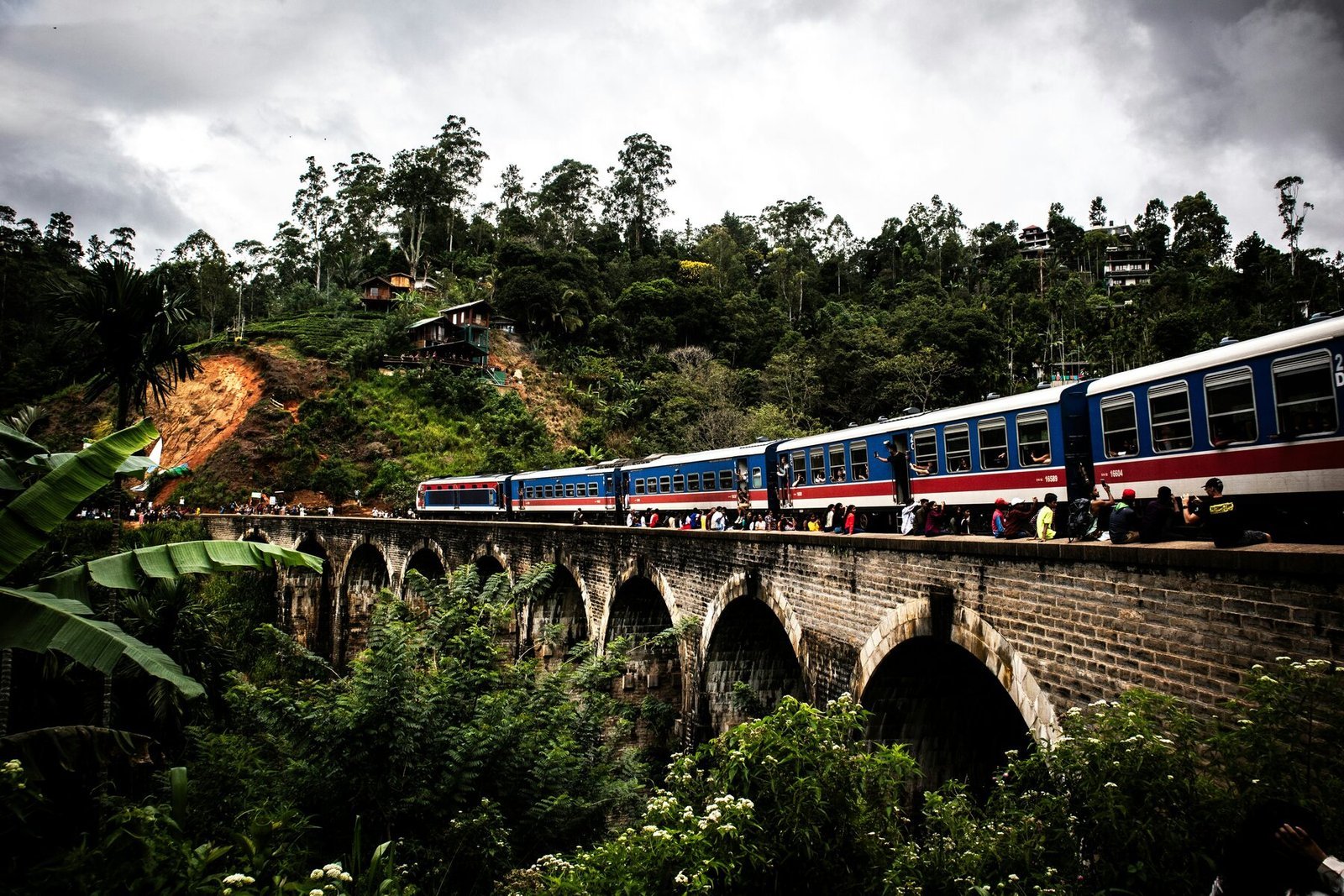
Sri Lanka travel cost by travel style
The three bands below include accommodation, ordinary meals, local transport, and a modest allowance for sightseeing. International flights, visas, shopping, alcohol, specialist tours, and travel insurance sit outside them. A wildlife safari or long private transfer can push any single day well above its band.
- Budget: US$30–45 per person daily. Expect simple guesthouses or hostel rooms, local cafés, buses and second- or third-class trains, limited tuk-tuk use, and mostly low-cost sights. This band is achievable for a couple sharing rooms; a solo traveller may need US$5–15 more.
- Mid-range: US$60–100 per person daily. This supports well-reviewed guesthouses or modest hotels, a mixture of local and tourist-oriented restaurants, reserved train seats where available, regular tuk-tuks, and several paid attractions.
- Comfortable: US$120–200+ per person daily. Expect polished hotels, more restaurant meals, air-conditioned transfers or some private-driver days, and room for major attractions. Boutique stays, high-end beach resorts, premium safari camps, and domestic flights can exceed this range substantially.
Build a 15–20% contingency into the total. It absorbs seasonal room increases, changed transport plans, card fees, and the occasional expensive day without forcing compromises later.
Accommodation costs
Accommodation is usually the largest adjustable expense. A basic double room in a guesthouse may fall around US$15–30, while a dependable mid-range double commonly sits near US$35–80. Comfortable boutique hotels and resorts often begin around US$90 and can run far higher. Breakfast, air conditioning, hot water, a pool, and beachfront position all affect the rate.
Taxes and service charges are not always displayed the same way across booking platforms and hotel websites. Check the final payable total, meal basis, and cancellation terms. Prices tend to rise on the south and west coasts during their popular dry-season months, in the hill country around holidays, and nationwide during major festivals. Booking refundable rooms early can be sensible, but compare again before the free-cancellation deadline.
Food and drink
Local food keeps daily spending manageable. A filling rice-and-curry meal, kottu, hoppers, or short eats from a straightforward local restaurant can cost only a few US dollars. Tourist cafés and hotel restaurants may charge several times more, particularly in beach towns and central Colombo. A practical allowance is US$8–15 per person daily for simple local eating, US$20–35 for a mixed approach, and US$40+ for frequent restaurant meals.
Ask whether menu prices include service and tax. Imported food, wine, and spirits are comparatively expensive; fresh fruit, bakery snacks, and Sri Lankan dishes generally offer better value. Choose busy, clean establishments and safe drinking water. Saving a small amount is not worthwhile if food handling looks doubtful.
Transport: trains, buses, tuk-tuks, and drivers
Public buses are the cheapest way to cover distance, though journeys can be crowded and slow. Trains are also inexpensive, but reserved seats on popular hill-country routes can sell out. Different classes offer meaningfully different comfort, and a famous route is not guaranteed to run precisely on schedule. Confirm timetables and reservation procedures close to travel.
Tuk-tuks work well for short trips. Use a meter where genuinely available or agree on the fare and destination before departure. Ride-hailing apps can provide a useful price reference in supported areas, but coverage is uneven. Ask accommodation staff what a normal local fare looks like rather than accepting the first quote.
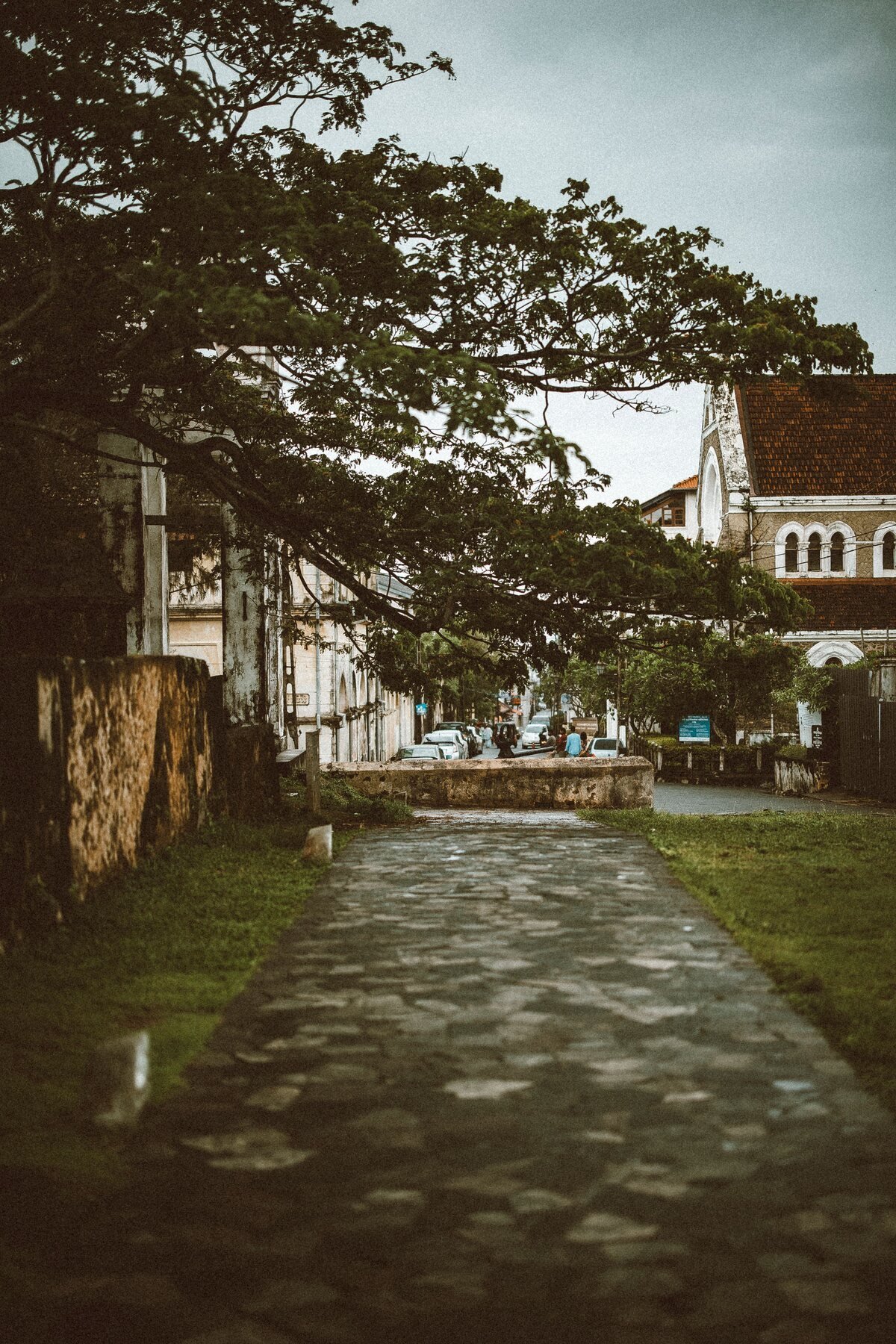
A car with a driver offers flexibility but changes the budget. The quote may be daily or route-based and can depend on distance, vehicle type, fuel, tolls, parking, and driver accommodation. Request a written list of inclusions. A cost-effective itinerary often combines trains for scenic intercity legs, buses for simple routes, tuk-tuks locally, and a driver only where connections are awkward.
Attractions, heritage sites, and safaris
Beaches, markets, and town walks cost little, while major heritage sites can carry relatively high foreign-visitor fees. Decide which temples, museums, and archaeological sites matter most instead of buying every ticket by habit. Dress requirements may apply at religious places; carrying suitable clothing avoids an unnecessary purchase or missed visit.
A national-park safari is a premium day. The total can include park admission, taxes, a jeep, guide or tracker, and transport to the gate. Sharing a jeep reduces the per-person cost, but overcrowded parks and the cheapest operators can mean poor wildlife practice. Compare recent reviews, vehicle capacity, cancellation rules, and what is included. Entrance fees and park policies change, so verify them through official sources or a reputable operator.
How costs vary by region
Colombo offers every price level, but central locations, international restaurants, and nightlife raise spending. The south-coast beach belt can be expensive in peak season, especially in smaller resort towns with limited rooms. Ella and other popular hill-country stops also command premiums for view rooms and cafés.
Kandy has broad accommodation choice, though festival periods can tighten supply. The Cultural Triangle adds substantial admission costs even when rooms and meals are reasonable. The north and east may offer good-value guesthouses and food, but longer transfers or fewer transport options can offset those savings. Weather patterns differ by coast, so “low season” is regional rather than universal.
Cash, cards, payments, and tipping
The Sri Lankan rupee is the everyday currency. Cards are common at larger hotels, supermarkets, and established restaurants, while cash remains important for buses, small eateries, markets, tuk-tuks, and rural businesses. Carry smaller notes, keep a backup payment method separate, and use bank-affiliated ATMs in secure locations. Decline dynamic currency conversion when your own card provider offers a better rate, and check withdrawal and foreign-transaction fees in advance.
Tipping is appreciated for good service but should remain voluntary. First inspect the bill for an included service charge. Small rounded amounts suit drivers and casual service; guides, safari crews, and private drivers may receive more in proportion to the service and trip length. There is no need to follow an aggressive demand presented as a fixed rule.
Sample 7-, 10-, and 14-day budgets
These totals multiply the daily planning bands and are per person, based on two people sharing accommodation. They exclude international flights and the other items noted above.
| Trip length | Budget | Mid-range | Comfortable |
|---|---|---|---|
| 7 days | US$210–315 | US$420–700 | US$840–1,400+ |
| 10 days | US$300–450 | US$600–1,000 | US$1,200–2,000+ |
| 14 days | US$420–630 | US$840–1,400 | US$1,680–2,800+ |
Add flights, visa costs, insurance, shopping, and expensive activities separately, then apply the contingency. Solo travellers should recalculate rooms and private transport rather than simply using the shared per-person figures.
Saving money without false economy
Slow the itinerary down. Fewer bases reduce transfer costs, leave room for public transport, and make delays less disruptive. Stay a short walk from the centre instead of paying repeatedly for tuk-tuks. Book only the train journeys that truly need reservations, compare the final hotel price after taxes, and mix inexpensive local meals with selected restaurant dinners.
Do not economise on travel insurance, safe transport late at night, hygienic food and water, or responsible wildlife operators. Likewise, an implausibly cheap driver quote may omit fuel, tolls, parking, or driver lodging. The best saving is a clear quote and a route with little backtracking, not the lowest headline number.
Frequently asked questions
Is Sri Lanka cheap to visit?
It can be affordable for travellers using local food and public transport. However, foreign-visitor attraction fees, safaris, private cars, and beach resorts can make a mixed itinerary more expensive than the low daily averages often quoted online.
How much cash should I carry?
Carry enough rupees for a day or two of small purchases and transport, then replenish at reputable ATMs rather than holding the entire trip budget. The right amount depends on ATM access along the route and whether accommodation is prepaid.
Are trains always the cheapest option?
They are usually inexpensive, but not always the most practical. A bus may be more direct, while two or more travellers can sometimes justify a car for a difficult connection. Compare door-to-door time as well as the fare.
Should accommodation be booked in advance?
Reserve early for peak coastal periods, major festivals, limited-view rooms, and fixed itineraries. Travellers with flexible dates may find more choice outside busy periods, but should still check current availability rather than assuming walk-in bargains.
Conclusion
A sound Sri Lanka budget begins with a realistic travel style, then treats costly sightseeing and private transport as separate decisions. US$30–45, US$60–100, and US$120–200+ per person per day are useful starting bands for budget, mid-range, and comfortable trips, not promises. Price the exact route, confirm what taxes and services are included, check current transport and attraction charges, and retain a 15–20% buffer. That approach produces a plan sturdy enough for changing prices without stripping the trip of comfort, safety, or the experiences that matter.
Planning sources and editorial note
Last fact-check: 3 August 2026. This is a research-led planning guide, not a fabricated first-hand travel diary. Prices, schedules, entry rules and local conditions can change; confirm time-sensitive details with the official sources below before booking.
Related Travel Guides
Keep planning with these guides: Sri Lanka Travel Guide, 10-Day Sri Lanka Itinerary, Mirissa vs Unawatuna.

[…] Keep planning with these guides: Sri Lanka Travel Guide, 10-Day Sri Lanka Itinerary, Sri Lanka Travel Cost. […]
[…] Keep planning with these guides: Sri Lanka Travel Guide, Sigiriya Rock Fortress Guide, Sri Lanka Travel Cost. […]
[…] Keep planning with these guides: 10-Day Sri Lanka Itinerary, Sigiriya Rock Fortress Guide, Sri Lanka Travel Cost. […]