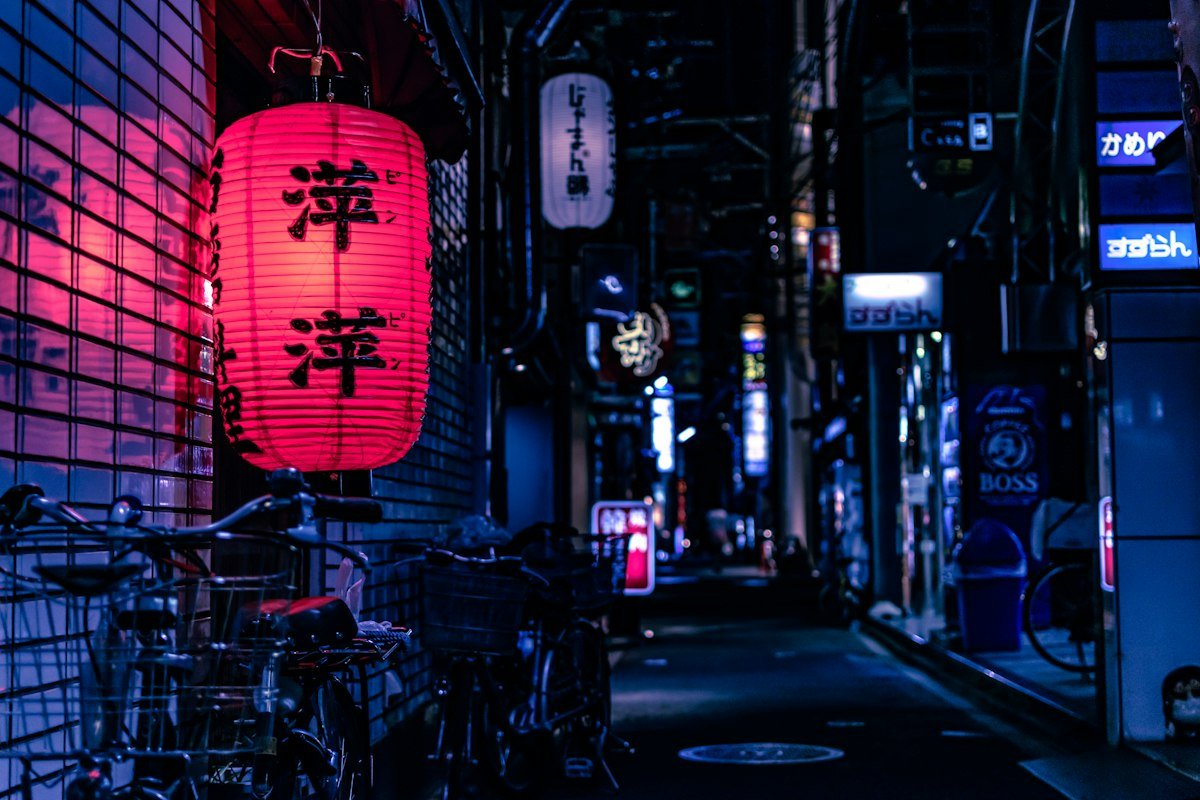
Vietnam refuses to sit still. In the space of a single train journey from Hanoi to Ho Chi Minh City — a journey I highly recommend, if you have the time — the country transforms beneath you: from the cool, misty mountains of the north to the fertile plains of the central coast to the humid, teeming energy of the south. I spent seven weeks travelling the length of it, and I still feel as though I only scratched the surface.
1. Hanoi: Chaotic, Charming and Completely Itself
I arrived in Hanoi expecting to be overwhelmed and was instead charmed. The Old Quarter is a labyrinth of narrow streets, each historically dedicated to a single trade — silk here, paper there, tin goods around the corner — and walking through it feels like stepping inside a city that is still figuring itself out in the best possible way. The coffee culture alone is worth the trip: Vietnamese iced coffee, made with sweetened condensed milk and dripped slowly over ice, is one of the great pleasures of Southeast Asian travel.
The street food scene around Hoan Kiem Lake is extraordinary. I ate bun cha — grilled pork with rice noodles and fresh herbs — for breakfast three days running and cannot find fault with that decision.
2. Ha Long Bay: Yes, It Really Looks Like That
Ha Long Bay suffers from being overphotographed. Every image you have seen of limestone karsts rising from emerald water is accurate, which makes the real thing feel simultaneously familiar and impossible. I took a two-night cruise on a wooden junk, kayaked through sea caves at dawn, and watched the mist burn off the water from the deck with a coffee in hand. It was, without qualification, one of the most beautiful things I have seen anywhere in the world.
Choose your cruise carefully — the bay is heavily trafficked and the difference in quality between operators is significant. A middle-tier boat in the less-visited Lan Ha Bay, adjacent to Ha Long, will give you more peace and similar scenery at a lower price.
3. Hoi An: The Town That Time Forgot (Sort Of)
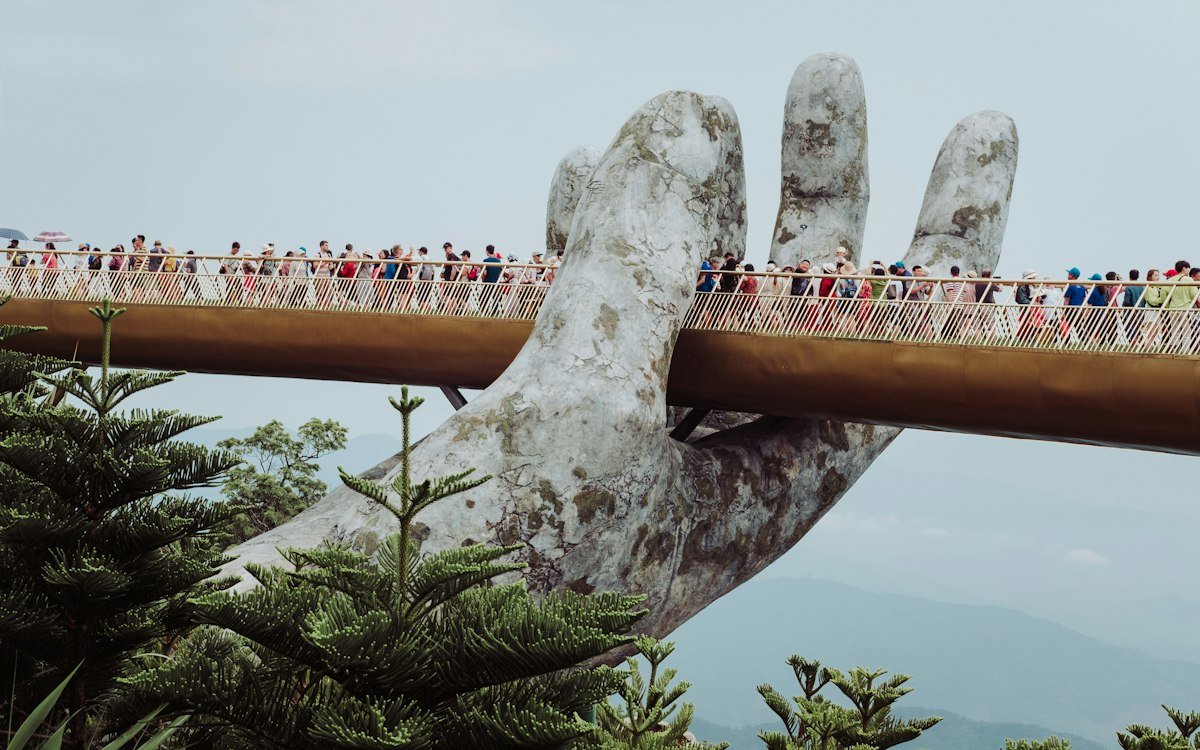
Hoi An is dangerously pleasant. The ancient town, a UNESCO World Heritage Site, is a collection of merchant houses, temples and covered bridges built over several centuries by Chinese, Japanese and Vietnamese traders. At night, paper lanterns light the streets and the Thu Bon River reflects the glow of the old houses. It sounds like a postcard and it is, but it is also a real, functioning town where people live, cook, tailor clothes and go about their lives with cheerful efficiency.
I stayed four nights and ended up staying nine. The tailors alone justify the extension — I had two shirts, a pair of trousers and a jacket made to measure in forty-eight hours for a fraction of what they would cost at home, and the quality was genuinely excellent.
4. Hue: Imperial City and Remarkable Food
Hue was the imperial capital of Vietnam under the Nguyen dynasty, and the Imperial Citadel — modelled on Beijing’s Forbidden City but distinctly Vietnamese — is one of the most impressive historical sites I visited in the country. The city also has a strong claim to being Vietnam’s best eating destination, which is saying something in a country where the food is uniformly extraordinary. Bun bo Hue, the local beef noodle soup, is richer and spicier than pho and I preferred it enormously.
5. Phong Nha-Ke Bang: The Cave System That Changes Everything
I almost skipped Phong Nha. It was slightly out of the way, the journey was awkward, and I was running short on time. A travel friend insisted. She was absolutely right. The caves of Phong Nha-Ke Bang National Park — including Son Doong, the largest cave in the world — are among the most spectacular natural wonders I have encountered anywhere. Even the smaller caves accessible on a day trip are staggeringly beautiful: vast chambers hung with stalactites, illuminated rivers, spaces so large they generate their own weather.
6. Ho Chi Minh City: Full Throttle
Ho Chi Minh City — which locals still call Saigon — is one of the great Asian cities, and it operates at a frequency that takes a day or two to tune into. The traffic is legendary: crossing the road requires commitment rather than caution, a steady pace and a willingness to trust that the motorbikes will flow around you. Once you adjust, the city reveals itself as endlessly energetic, entrepreneurial and genuinely exciting to navigate.
The War Remnants Museum is essential and harrowing. The Cu Chi Tunnels, an hour outside the city, put the ingenuity and suffering of the war in visceral, underground perspective. Eat at least one bowl of pho at a plastic-stool street stall at 7am, and try the banh mi from Huynh Hoa before you leave — it is widely considered the best in Vietnam.
Practical Tips for Visiting Vietnam
- The Reunification Express train from Hanoi to Ho Chi Minh City is one of Asia’s great rail journeys — book a soft sleeper for overnight legs.
- Motorbike hire gives you enormous freedom in smaller towns and rural areas; use Grab (Southeast Asia’s Uber) in cities.
- The Vietnamese dong looks alarming in large quantities — getting comfortable with millions of dong took me a few days.
- Best times to visit vary by region: the north is best October to April; the south is best December to April; the central coast has its own erratic schedule.
Love Southeast Asian adventure? Also read our Bali travel guide for an island escape to combine with a Vietnam trip.
Related Travel Guides
Keep planning with these guides: Things to Do in Siem Reap, Bali Travel Guide, 2-Week Malaysia Itinerary.
Official sources
Check current conditions with Vietnam National Authority of Tourism before you travel.