

Sri Lanka packs an unusual amount of variety into an island roughly the size of Ireland: ancient rock fortresses and Buddhist cities in the north-central plains, misty tea country in the hill interior, a colonial fort city on the southwest coast, and a rail journey through the highlands that regularly appears on lists of the world’s most scenic train rides. Tourism collapsed here more than once in the past two decades, first during the long civil war that ended in 2009, then again after the 2019 Easter bombings and a severe 2022 economic crisis, and each time the island has rebuilt its visitor numbers on the strength of what is, quite simply, an exceptional amount packed into a compact, easy-to-loop itinerary.
This guide follows the classic “cultural triangle to hill country to coast” loop that most well-planned Sri Lanka trips are built around, covering Sigiriya, Kandy, the tea country and Galle Fort.
Sigiriya: The Lion Rock
Sigiriya, an ancient rock fortress rising nearly 200 metres from the surrounding plain, was built as a royal citadel in the 5th century by a king who, according to historical accounts, seized the throne after killing his father and then feared retribution enough to construct one of the most elaborately defended palace complexes in South Asia. The climb to the summit passes through the paws of what was once a giant lion sculpture guarding the final staircase, and along the way, a gallery of remarkably well-preserved frescoes depicting celestial maidens, painted some 1,500 years ago, survive in a small sheltered section of the rock face.
The summit itself holds the ruins of the royal palace, and the view from the top, over symmetrical water gardens below and jungle stretching to the horizon, justifies both the entry fee and the exposed, sometimes vertiginous climb; arriving early avoids the worst of the heat, since the rock offers almost no shade and the stone stairs become genuinely uncomfortable to climb under the midday sun. Pidurangala, a neighbouring rock accessible via a rougher, less-developed trail, offers a viewpoint looking directly back at Sigiriya itself, and many visitors consider the sunrise view from Pidurangala, watching the fortress catch the first light, a worthwhile complement to actually climbing Sigiriya the following day.
Kandy: The Sacred Tooth Relic

Kandy, the last independent Sinhalese kingdom before British colonisation, is built around a picturesque lake and the Temple of the Sacred Tooth Relic, said to house a tooth of the Buddha and one of the most venerated Buddhist sites in the world, drawing pilgrims from across South and Southeast Asia. The relic itself is kept in a golden casket rarely opened to public view, but the daily ceremonies (puja), with drumming and offerings performed several times a day, give visitors a genuine sense of the devotion the temple commands regardless of whether the relic chamber is on display.
The Esala Perahera, a ten-night festival held annually in July or August featuring elaborately decorated elephants, traditional dancers and drummers parading through the city, is one of the most significant Buddhist festivals in Asia, and timing a visit to Kandy around it, while requiring advance accommodation booking, gives a spectacle unlike anything else on the island. The Royal Botanical Gardens at Peradeniya, a short drive from central Kandy, hold one of the finest collections of tropical and subtropical plants in Asia, including an orchid house and an avenue of towering royal palms, and they make a pleasant, shaded counterpoint to a day otherwise spent visiting temples in the heat.
The Hill Country: Tea and the Ella Train

Nuwara Eliya, developed by British colonists as a cool-climate retreat and sometimes nicknamed “Little England” for its Tudor-style buildings and manicured gardens, sits at the centre of Sri Lanka’s tea country, and Ceylon tea, grown across the misty hillsides surrounding the town, remains one of the country’s most significant exports and a source of genuine national pride. Touring a working tea factory, watching the withering, rolling and drying process before a tasting, gives useful context for a product most visitors have only encountered as a supermarket teabag.
The train journey from Nanu Oya (near Nuwara Eliya) to Ella, passing through terraced tea plantations, waterfalls and pine forests, and crossing the Nine Arch Bridge, a colonial-era railway viaduct built entirely without steel due to wartime shortages, is routinely ranked among the most scenic rail journeys in the world; booking a reserved seat, or even standing in the open doorway where permitted, rather than an unreserved standing-room ticket, is worth the modest extra effort for a journey this photogenic.
Galle Fort: Dutch Colonial Heritage on the Coast

Galle Fort, a UNESCO World Heritage site on the southwest coast, was built by the Portuguese and substantially expanded by the Dutch in the 17th century, and its ramparts, still walkable in their entirety, enclose a genuinely lived-in old town of colonial villas, boutique hotels, churches and a working lighthouse, all within a compact area easily explored on foot in a day. Walking the ramparts at sunset, with the Indian Ocean on one side and the old town’s red-tiled roofs on the other, is one of the more atmospheric evening routines available anywhere on the island.
Galle survived the devastating 2004 Indian Ocean tsunami with its historic core largely intact, owing partly to the protection offered by its elevated fortifications, and the town has since become a base for exploring the surrounding south coast’s beaches and whale-watching trips, with Mirissa, a short drive away, offering some of the most reliable blue whale sightings anywhere in the world during the November-to-April season.
Food and Everyday Culture
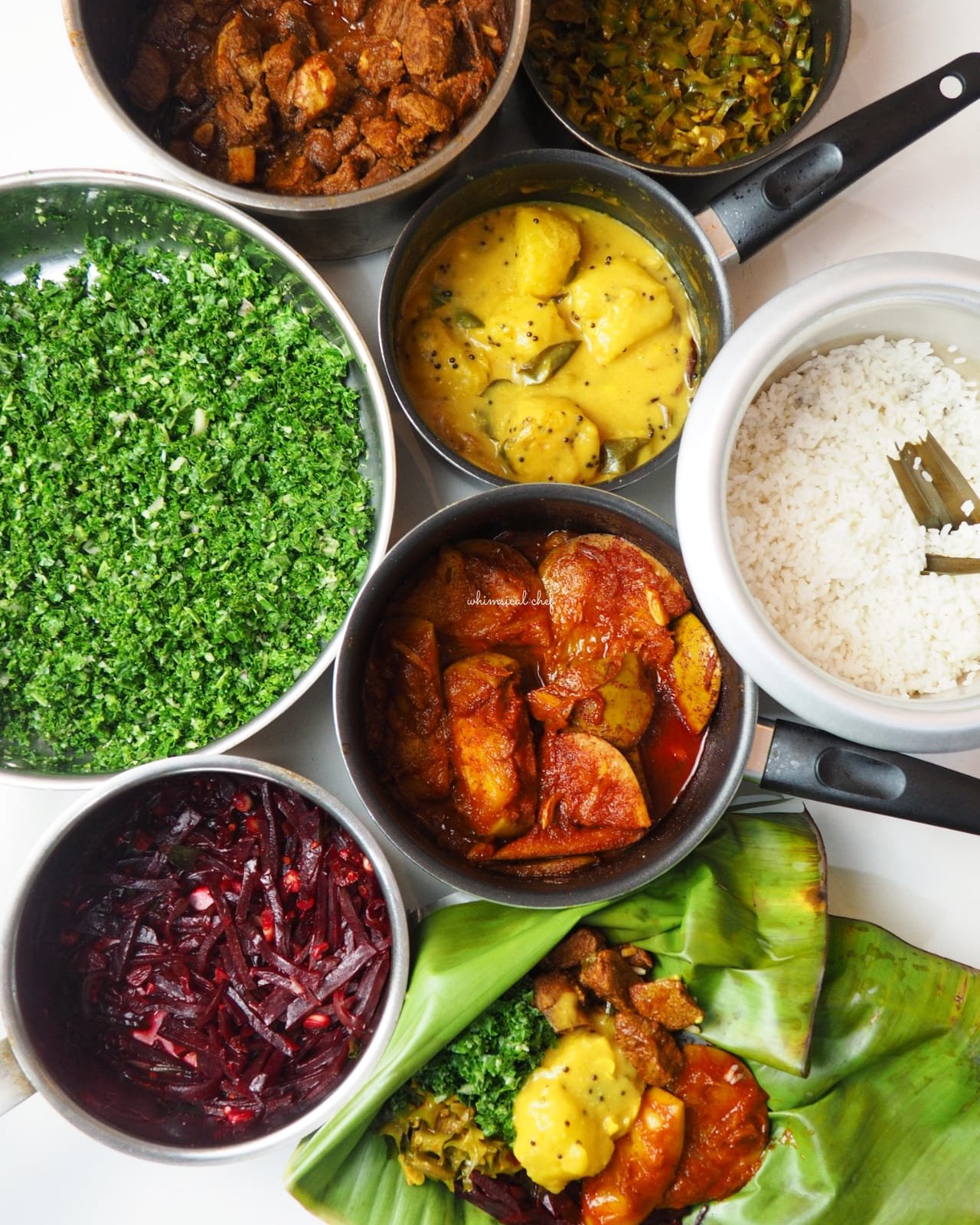
Rice and curry, typically served as a central mound of rice surrounded by several small curries, sambols and pickles, is the standard Sri Lankan meal, and it varies significantly by region and household rather than following a fixed formula, making it worth trying at several different places rather than assuming one meal represents the whole cuisine. Hoppers, bowl-shaped fermented rice-flour pancakes often served with a fried egg cracked into the centre, and kottu roti, chopped flatbread stir-fried with vegetables, egg or meat on a loud metal griddle, are both worth seeking out from roadside stalls where the theatrical chopping sound of a good kottu vendor is part of the experience.
Cost, Safety and When to Visit

Sri Lanka remains an affordable destination overall, though the 2022 economic crisis pushed some prices, particularly fuel and imported goods, noticeably higher than in previous years; accommodation, local transport and food remain good value by international standards regardless. The country’s major tourist regions have been safe and stable for tourism for well over a decade now, and standard travel precautions apply; checking current government travel advisories before booking is sensible practice here as with any destination that has experienced periods of instability, though none of the current advice discourages travel to the standard circuit covered in this guide.
December through March offers the best weather for the west and south coasts and the cultural triangle sites, while the east coast, around Trincomalee and Arugam Bay, has an inverse monsoon pattern and is best visited from May to September, making Sri Lanka one of the few destinations where a beach extension is realistic nearly year-round if you pick the right coast. Two to three weeks allows a comfortable loop through Sigiriya, Kandy, the hill country and Galle without rushing, and Sri Lanka’s compact size and reasonably good road network make a private driver, a common and affordable arrangement here, a genuinely practical way to see the whole circuit without managing public transport connections yourself.
Most nationalities require an Electronic Travel Authorisation (ETA), a straightforward online application processed before departure. Yala National Park, on the southeast coast, has one of the highest leopard densities in the world and pairs naturally with a Galle or Mirissa-based south coast leg, making it worth adding to the itinerary if wildlife safari is a priority alongside the more culturally focused stops covered in this guide.
Practical planning notes for this trip
A useful itinerary for Sri Lanka Travel Guide: Sigiriya, Kandy & the Hill Country should be built around travel time, opening days, weather and realistic energy levels rather than a list of attractions. The notes below turn the destinations in this guide into practical decisions. Confirm transport schedules and entry rules with official sources shortly before departure, because seasonal services and local requirements can change.
When planning around Sigiriya: The Lion Rock, check where you will sleep the night before and after, then compare the door-to-door journey rather than the advertised travel time. Leave a margin for station transfers, meals and weather delays. If the stop requires an early reservation, secure that first and arrange flexible activities around it. This keeps one delayed connection from disrupting the rest of the route.
Treat Kandy: The Sacred Tooth Relic as a route decision, not just a photo stop. Ask what time of day best suits the place, how crowded periods affect the experience, and whether a slower alternative would add more value. Group nearby sights on the same day, but avoid packing distant areas together simply because they look close on a map. Local terrain and traffic often matter more than straight-line distance.
Budgeting for The Hill Country: Tea and the Ella Train should include transport to the exact entrance or neighbourhood, reservation fees, food near the attraction and the cost of returning after evening services become less frequent. Keep a separate contingency amount for price changes. A cheaper room can become the expensive option when repeated transfers consume both money and usable sightseeing time.
Final checks before departure
- Recheck official entry requirements, opening times and transport schedules.
- Keep bookings, insurance details and essential addresses available offline.
- Allow recovery time after long journeys instead of planning a major activity immediately.
- Review the route a few days before travel and replace any outdated detail.
Planning sources and editorial note
Last fact-check: 3 August 2026. This is a research-led planning guide, not a fabricated first-hand travel diary. Prices, schedules, entry rules and local conditions can change; confirm time-sensitive details with the official sources below before booking.
Related Travel Guides
Keep planning with these guides: 10-Day Sri Lanka Itinerary, Sigiriya Rock Fortress Guide, Sri Lanka Travel Cost.

[…] Best time to visit Sri Lanka by region […]
[…] planning with these guides: Sri Lanka Travel Guide, 10-Day Sri Lanka Itinerary, Sri Lanka Travel […]
[…] planning with these guides: Sri Lanka Travel Guide, 10-Day Sri Lanka Itinerary, Sigiriya Rock Fortress […]
[…] planning with these guides: Sri Lanka Travel Guide, 10-Day Sri Lanka Itinerary, Mirissa vs […]