
Croatia is more than Dubrovnik and the Dalmatian coast — though the coast alone would justify a trip. The country stretches from the alpine region of Gorski Kotar in the north to the southernmost tip of the Pelješac Peninsula, and between those extremes it contains Roman ruins, medieval island towns, the most spectacular national park in central Europe, and a wine culture that most visitors never discover because they are too busy looking at the sea.
1. Plitvice Lakes National Park
”
Plitvice is the most visited national park in Croatia and one of the most beautiful in Europe: sixteen terraced lakes connected by hundreds of waterfalls, the water shifting from turquoise to emerald depending on the light and the angle. The wooden boardwalks run at water level through the lower lakes, close enough to the falls to feel the spray. UNESCO listed. Book tickets online well in advance — the daily capacity is managed and summer tickets sell out completely. Arrive at opening time (7am) to walk the lower lakes before the tour buses arrive.
2. Split and Diocletian’s Palace
”
Split is built inside a Roman emperor’s retirement palace. Diocletian built his retirement complex in 305 AD and the city grew up organically within and around it over the following seventeen centuries — people still live in apartments that are technically inside the original palace walls. The Peristyle, the central square of the palace, has a café where you can drink coffee surrounded by Roman columns. The Cathedral of Saint Domnius is built inside Diocletian’s mausoleum. The Golden Gate, Silver Gate, Iron Gate, and Bronze Gate are the four original palace entrances, three of which you can still walk through.
3. Hvar Island
”
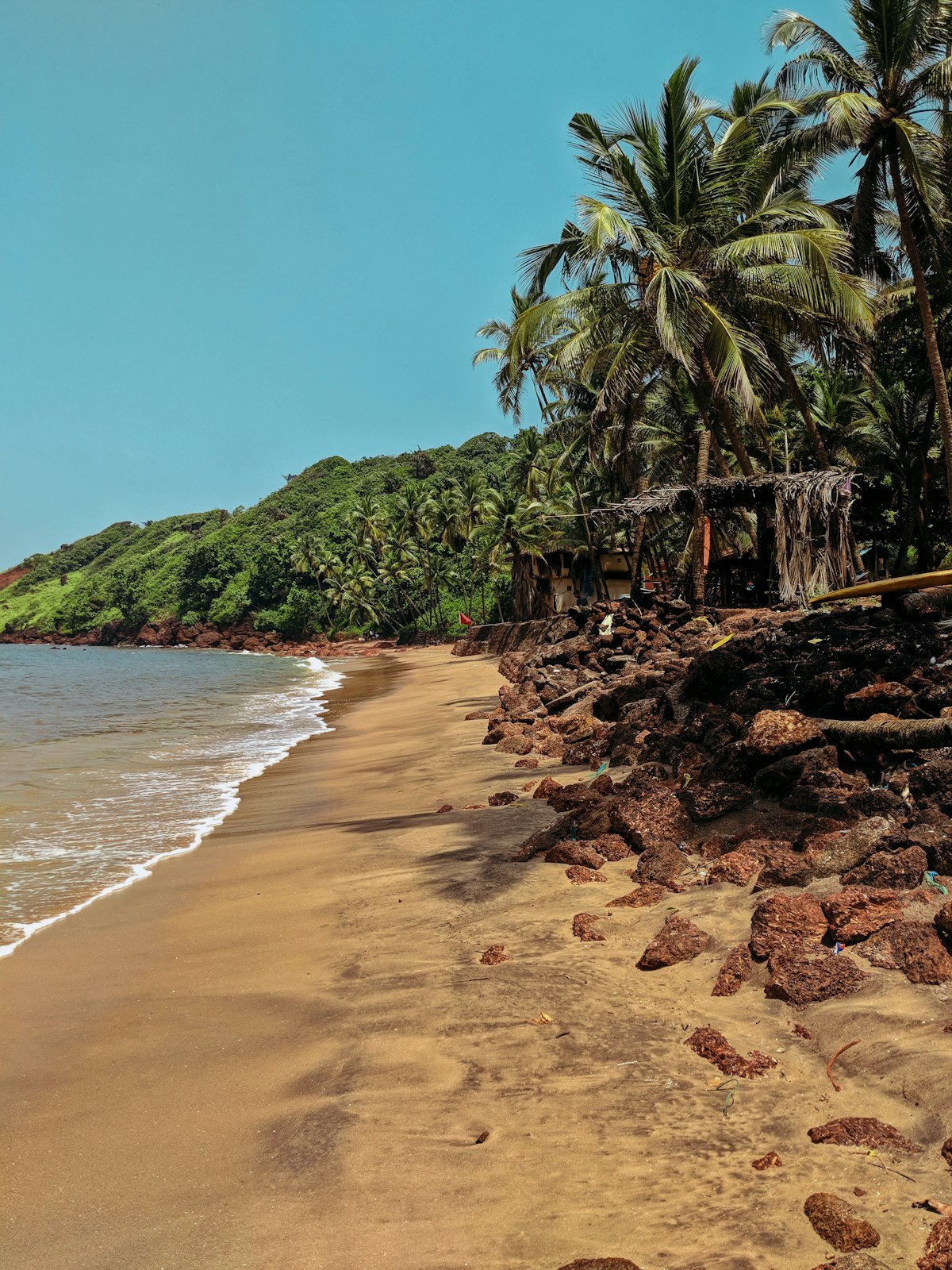
Hvar has a reputation as Croatia’s party island, which is partly accurate (Hvar Town has clubs that run until dawn) and partly misleading (the island is 68 kilometres long and most of it is lavender fields, olive groves, and stone villages that have been there since the Bronze Age). The fortress above Hvar Town has the best view of the harbour and the Pakleni Islands. The village of Stari Grad is the oldest continuously inhabited settlement in Croatia — founded by Greek colonists in 384 BC — and has a UNESCO-listed agricultural landscape of dry stone walls that has not changed since antiquity.
4. Rovinj, Istria
”
Rovinj is the most photogenic town on the Istrian coast: pastel-coloured houses stacked on a peninsula above the Adriatic, a Venetian-style campanile visible from the sea, narrow streets too steep for cars. The Istrian interior behind it produces truffles that rival Périgord and Piedmont — the black truffle season runs October through December, the white truffle season in autumn. Motovun, a hilltop town surrounded by truffle oak forests, hosts a film festival in July and a truffle fair in October. The Istrian wine region produces Malvazija Istarska, a white wine worth seeking out.
5. Korčula Island

”
Korčula Town is sometimes called Little Dubrovnik — a walled medieval town on a small peninsula, less famous and considerably less crowded. Marco Polo was born here, or possibly wasn’t (the Venetians also claim him) — either way the house attributed to him is a tourist attraction and the debate adds character. The island produces Grk, a white wine grown on sandy soil near Lumbarda that is made nowhere else in the world. The sword dance — the Moreška — has been performed on the island for five centuries and is staged weekly for visitors during summer.
6. Zadar — Sunsets and Sea Organs
”
Zadar has the best sunset in the Adriatic, according to Alfred Hitchcock, who visited in 1964. The Sea Organ — a public art installation on the waterfront where pipes built into the stone steps play music when waves push air through them — creates an otherworldly sound that changes with the sea state. The Sun Salutation installation next to it charges solar energy during the day and produces a light show at night. The old town has Roman ruins, a 9th-century pre-Romanesque church, and excellent restaurants that charge half the Dubrovnik prices.
7. The Krka Waterfalls

”
Krka National Park has a series of travertine waterfalls on the Krka River, the most dramatic of which — Skradinski Buk — is a 17-step cascade 45 metres high surrounded by a pool that was historically swimmable (swimming has been banned to protect the ecosystem, but the scenery remains). The park is an hour from Split and makes a straightforward day trip. The medieval fortress of Knin, where the Croatian War of Independence ended in 1995, is visible from the road to the park.
8. Šibenik
”
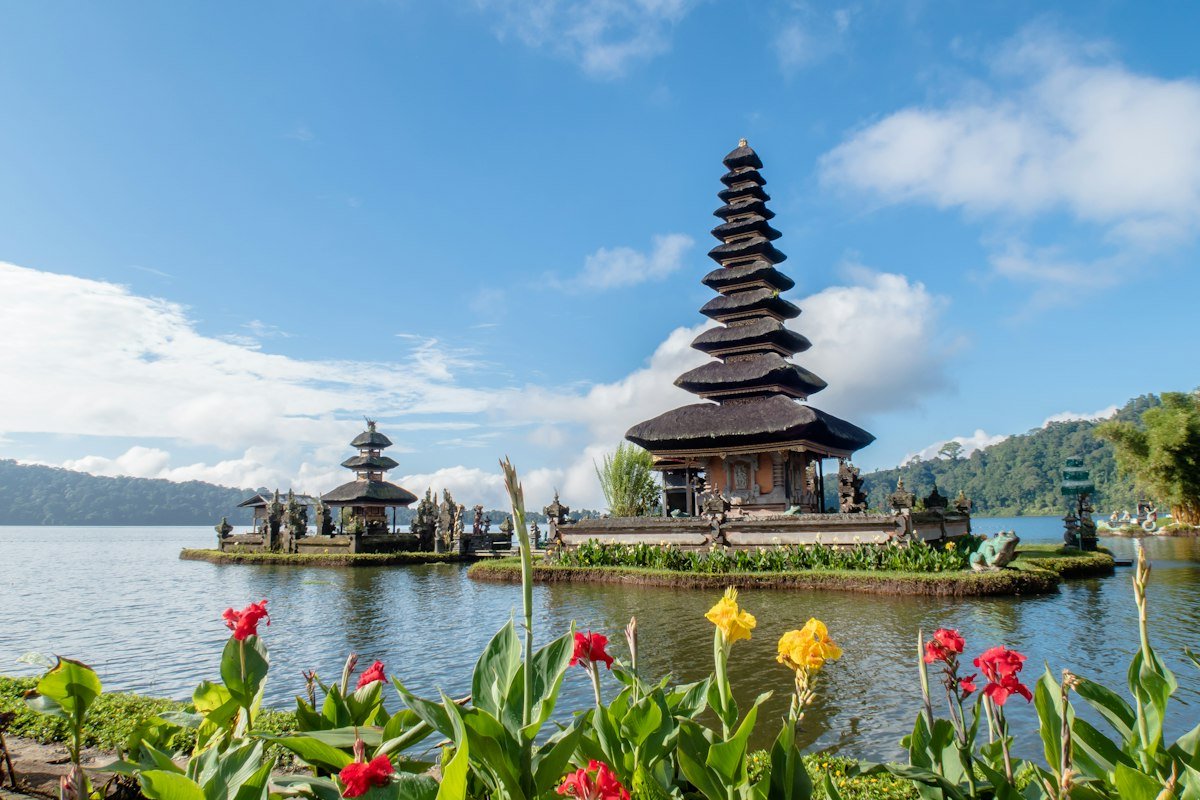
Šibenik is overshadowed by Split and Dubrovnik and benefits enormously from this. The Cathedral of St James is the only cathedral in Europe built entirely of stone without any brick or wood — the construction took 105 years and the result is extraordinary. The old town climbs a steep hill above the harbour, with two fortresses visible from the water. The Šibenik Archipelago offshore has 242 islands and islets; day boat trips from the marina explore the quieter ones that the Dubrovnik ferry routes do not reach.
Practical Information
”
Croatia uses the euro. The Dalmatian coastal road (Magistrala, D8) is one of the most scenic drives in Europe but extremely slow in summer — allow twice the map time between July and August. Ferries connect Split to Hvar, Brač, Vis, and Korčula; book car spaces in advance for summer crossings. The Zagreb-Split motorway (A1) cuts driving time from Zagreb to Split to around four hours. Dubrovnik is better reached by flight than by driving — the road south through Bosnia adds significant time and requires a temporary Bosnian insurance endorsement. Croatia’s tourist season runs June through September; May and October are significantly cheaper and more pleasant.
Related Travel Guides
Keep planning with these guides: Best Places in Austria Beyond Vienna, Best Places in France Beyond Paris, Best Places in Ireland Beyond Dublin.
Official sources
Check current conditions with Croatian National Tourist Board before you travel.
[…] planning with these guides: Croatia Travel Guide, Best Places in Austria Beyond Vienna, Best Places in the Netherlands Beyond […]