A yala national park safari combines dry-zone scenery, serious wildlife watching, and the practical realities of visiting Sri Lanka’s busiest national park. A good trip depends less on racing between sightings than on choosing the right block, timing, operator, and expectations. Leopards attract much of the attention, but elephants, crocodiles, deer, buffalo, monkeys, and abundant birds often shape the day. This guide explains how safaris work, what conditions may be like, and how to visit with patience and respect.
Understanding Yala’s park blocks
Yala is divided into several blocks rather than functioning as one uniformly accessible safari area. Block 1, commonly entered through Palatupana, receives most visitors because it has an established road network and a reputation for leopard sightings. That popularity also makes it the block most associated with queues and clusters of jeeps. Block 5, often approached from the Galge side, can provide a quieter alternative, though access, animal movements, and operating arrangements vary.
Wildlife expectations without promises
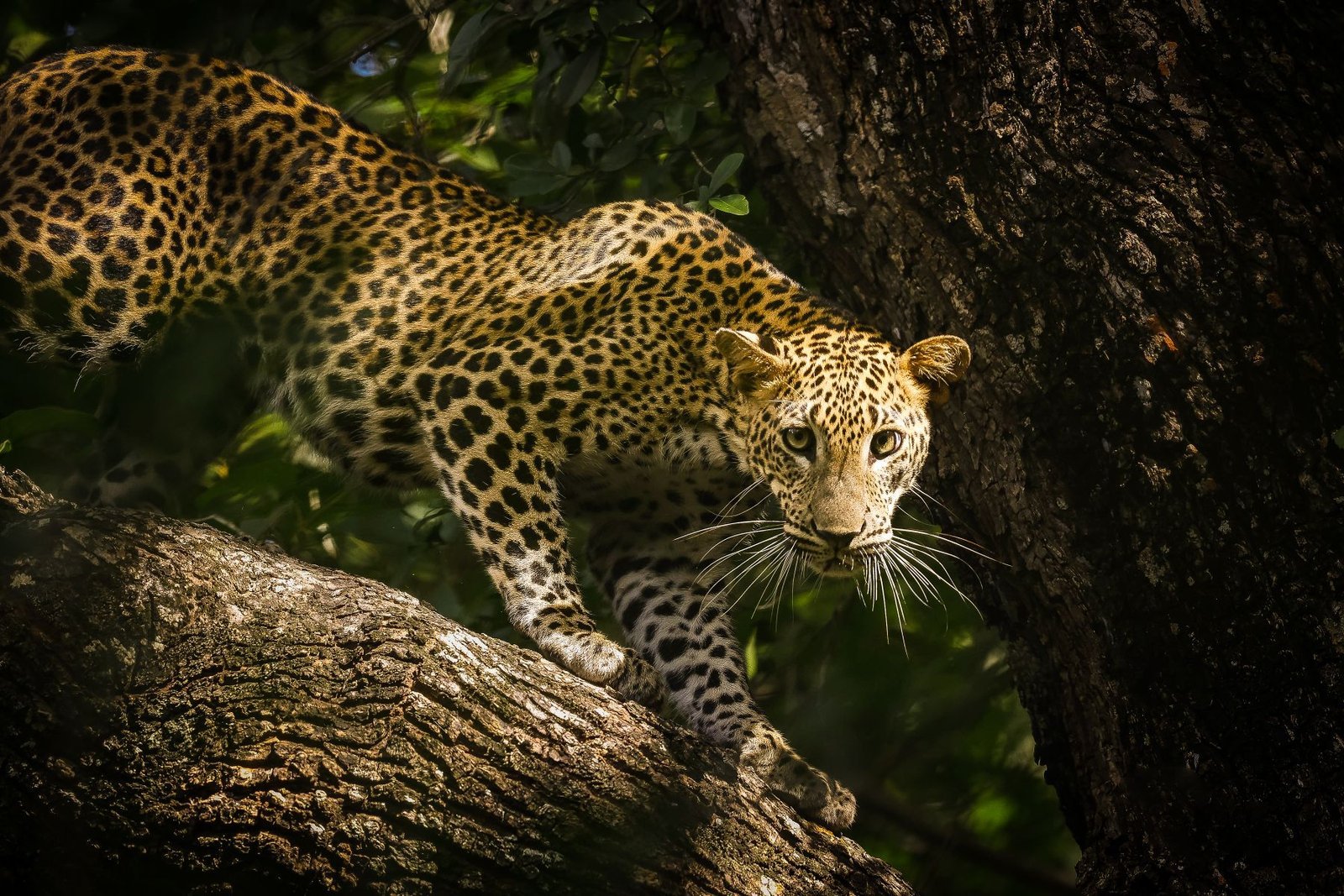
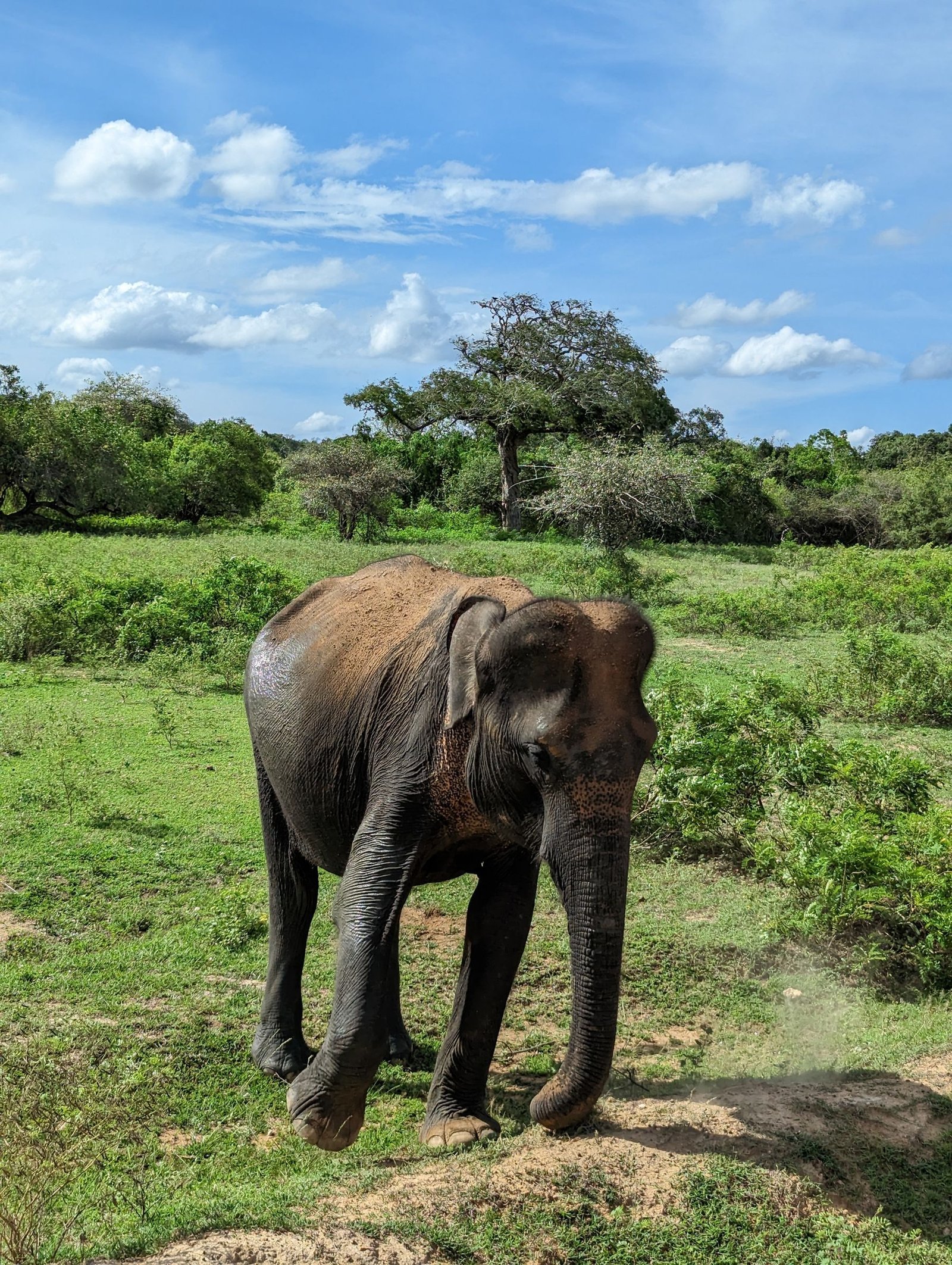
Yala supports leopards, Asian elephants, sloth bears, spotted deer, sambar, wild boar, water buffalo, mugger crocodiles, langurs, macaques, and many smaller species. Birdlife includes peafowl, hornbills, bee-eaters, raptors, waterbirds, and seasonal migrants. Habitats shift between scrub, woodland, grass, wetlands, rocky outcrops, and coastal lagoons, so the landscape itself rewards attention.
No animal sighting is guaranteed. Leopards may remain concealed, elephants can move beyond the visited routes, and rain or heat can alter activity. Sloth bears are particularly unpredictable. A skilled guide reads tracks, alarm calls, weather, and recent movement, but cannot control wildlife. Treat a leopard as one possible highlight rather than the only measure of success.
Leopard watching and ethical distance
When a leopard appears near a road, news can spread rapidly between drivers. Responsible viewing means keeping enough distance for the animal to move freely, staying inside the jeep, speaking softly, and avoiding pressure on the driver to block its route. A sighting surrounded by engines and vehicles is not improved by moving closer.
Morning, afternoon, or full day?
Morning safaris begin around park opening, with pickups occurring earlier depending on the base and gate. Temperatures are cooler, light can be gentle, and some mammals are active before the day heats up. The early start, gate queue, and dark transfer may be tiring, especially for young children.
Afternoon safaris avoid the pre-dawn departure and can offer warmer light near closing time. Mid-afternoon heat and glare may be strong, while wildlife activity can improve later. Neither session is inherently better every day; weather, water availability, and chance matter more than a fixed rule.
A full-day safari provides time to explore more roads and wait at waterholes, but it also means many hours in a basic jeep. Heat, dust, limited toilet access, and a long midday lull can outweigh the extra observation time. Confirm whether park rules currently permit the proposed full-day format, where breaks occur, and what food and water are included. Two separate half-days may be more comfortable and allow conditions to be reassessed.
Fees, tickets, and jeep costs
Park entrance charges and jeep hire are separate in many arrangements, and pricing structures can include visitor tickets, taxes, service components, vehicle charges, and guide costs. These amounts and procedures can change. Before paying, verify the current official entrance fee and ticket method with the Department of Wildlife Conservation or the relevant gate, then request an itemised quotation from the operator.
Choosing a responsible safari operator
Look for recent, detailed reviews that mention driving standards, wildlife knowledge, communication, and vehicle condition rather than only leopard success. Ask who will accompany you: a driver may know the roads well, while a trained naturalist can add identification and ecological context. Clarify maximum passenger numbers, seat layout, rain cover, seat belts where fitted, and the policy for breakdowns or cancellations.
Crowding, closures, and seasonal conditions
Queues often form at popular entrances before opening, and multiple jeeps may gather when a notable animal is reported. Visiting on a weekday, considering a less-used block, and asking the driver to prioritise broader wildlife viewing can reduce frustration, though quiet conditions cannot be assured.
Yala’s conditions vary with monsoon patterns, dry periods, water levels, road maintenance, and park management. Parts of the park may close seasonally or at short notice for conservation, safety, flooding, fire risk, or track repairs. Traditional closure patterns are not a substitute for a current check. Confirm access shortly before travel with an official source and again with the operator on the preceding day.
Where to stay: inland bases and the coast
Tissamaharama has a broad range of guesthouses, hotels, restaurants, and safari services. It is a practical base for many Palatupana departures and for travellers arriving by bus or private transfer. Kataragama can suit visitors combining the park with the town’s religious sites and may be convenient for certain gates, depending on the selected block.
Getting there and managing transfers
Private cars and arranged transfers are the simplest options from southern coastal towns, Ella, or other inland stops. Public buses can reach Tissamaharama or Kataragama from several regional hubs, but schedules, connections, luggage space, and journey times vary. Trains do not run directly to Yala.
Arrange the final jeep pickup in advance because public transport will not deliver you onto safari tracks. If travelling after an afternoon drive, allow for gate delays and avoid planning a tight onward connection. Night driving can be slower, and fatigue matters after hours on rough roads.
What to wear and carry
Wear light, breathable clothing in muted colours, plus closed shoes or secure sandals. A hat, high-protection sunscreen, refillable water bottle, insect repellent, and a light layer for an early morning are useful. Bring any personal medication and a small bag that can be secured inside the vehicle. Avoid loose scarves that may flap outside.
Dust can be intense in dry weather, so protect cameras and consider a reusable face covering. During rain, a compact waterproof layer and dry bag are more useful than an umbrella inside a jeep. Vehicle covers can restrict visibility and airflow; ask how they operate. Pack snacks only if permitted, keep them sealed, and take every piece of waste out.
Photography from a safari jeep
A moderate telephoto lens is often more practical than the longest available lens because animals may appear at different distances. Bring charged batteries, spare memory, a lens cloth, and a protective cover. Dust enters equipment quickly, so avoid changing lenses on exposed tracks. Binoculars also improve observation when a photograph is impossible.
Use a fast enough shutter speed to compensate for animal movement and vehicle vibration, and ask the driver to stop before shooting. Disable flash and camera sounds where possible. Do not lean outside, stand on seats without permission, or demand that vegetation be moved. Wider photographs that include habitat can tell a fuller story than a tightly cropped portrait.
Children and accessibility
Families should consider whether children can manage the early start, heat, dust, long periods of quiet, and bumpy travel. Confirm age rules and ticket requirements directly, bring appropriate food and water, and choose a shorter session if needed. Adults must prevent children from feeding animals, shouting, or extending hands beyond the vehicle.
Standard safari jeeps usually require a high step and may have narrow seating, limited restraints, and no accessible toilet during the drive. Travellers with reduced mobility, back conditions, sensory sensitivities, or other access needs should discuss transfer assistance, seating, route roughness, and toilet plans before booking. Request photographs and dimensions of the actual vehicle rather than assuming that “accessible” has a consistent meaning.
Responsible conduct inside the park
Remain in the vehicle unless a ranger explicitly permits otherwise. Keep voices low, follow speed and route rules, never feed wildlife, and carry out all litter. Avoid single-use packaging where practical. Do not collect plants, feathers, stones, or other natural material. Drones, alcohol, smoking, and certain equipment may be restricted; verify current rules before arrival.
Support operators who respect closures and report harmful behaviour through appropriate official channels. Patience is part of responsible viewing. Time spent watching deer react to alarm calls or birds work a wetland is not wasted because a large predator has not appeared.
A practical two-night sample plan
- Day one: Arrive in Tissamaharama, Kataragama, or a coastal base with time to rest. Confirm the next day’s gate, pickup, inclusions, weather, and current access with the operator.
- Day two: Take one morning safari, return for breakfast and a break, then review whether an afternoon activity is worthwhile. A lake walk, temple visit, or quiet evening can be preferable to immediately booking another drive.
- Day three: Keep the morning flexible for a second safari in a different block or continue onward after breakfast. Build enough transfer time into the schedule for road and gate delays.
Frequently asked questions
Will I definitely see a leopard?
No. Yala has important leopard habitat, but vegetation, weather, animal movement, and chance determine each sighting. Choose a guide who values the whole ecosystem.
How long is a typical safari?
Half-day drives generally occupy a morning or afternoon session, including gate procedures. Exact operating hours and transfer duration vary, so confirm the current schedule and pickup time.
Can I book at the gate?
Procedures and availability can change. Advance arrangements are sensible during busy periods, but verify the official ticket process and avoid sending money to an unverified intermediary.
Is Yala suitable during rain?
Light rain can cool the landscape and create interesting conditions, but heavy rain may affect tracks, visibility, or access. Use a dry bag and follow any closure or safety advice.
Should I tip the driver or guide?
Conclusion
A well-planned Yala visit balances wildlife ambition with realistic expectations. Select the block and base carefully, verify current fees and closures, and book an operator whose standards remain firm when sightings become competitive. Prepare for heat, dust, rain, rough tracks, and waiting. When visitors give animals space and value the park beyond a leopard photograph, the safari becomes a more thoughtful encounter with Sri Lanka’s dry-zone ecology.
Planning sources and editorial note
Last fact-check: 3 August 2026. This is a research-led planning guide, not a fabricated first-hand travel diary. Prices, schedules, entry rules and local conditions can change; confirm time-sensitive details with the official sources below before booking.
Related Travel Guides
Keep planning with these guides: Sri Lanka Travel Guide, Sigiriya Rock Fortress Guide, Sri Lanka Travel Cost.